
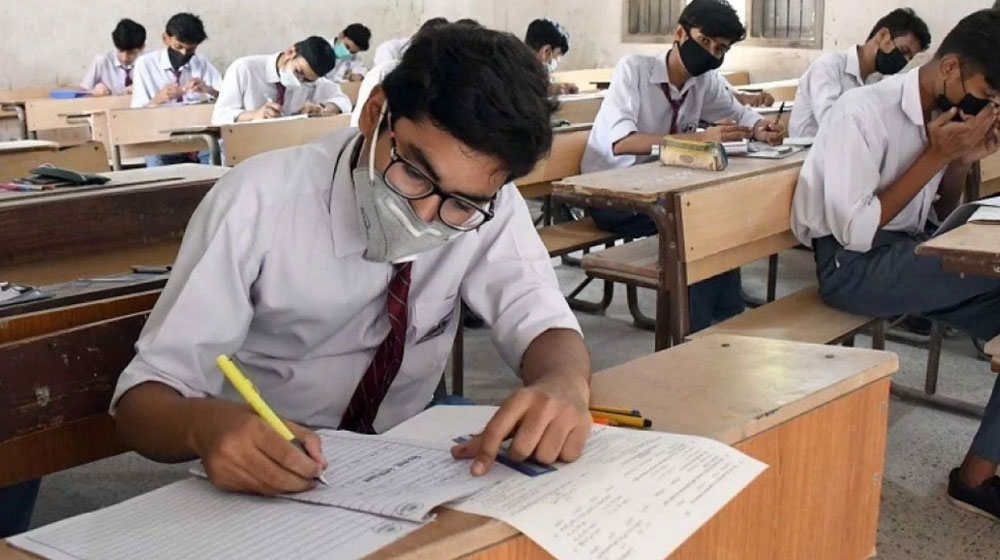
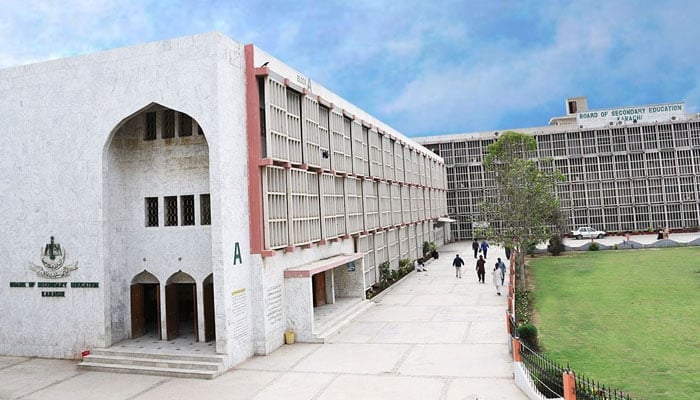
In a strategic move to optimize educational access, the Board of Secondary Education Karachi (BSEK) has recalibrated the submission timeline for Class 10 annual examination forms. This critical extension sets a new Karachi Board Exam Deadline, permitting students to submit forms without incurring a late fee until February 13. This proactive adjustment ensures broader participation and systematic efficiency for all eligible candidates across Science and General groups, including those from government institutions.
Calibrating Educational Timelines: The Karachi Board Exam Deadline Extension
The BSEK’s decision to extend the deadline without a late fee until February 13 directly impacts both regular and private students. Furthermore, government schools will benefit from specific instructions issued by BSEK Chairman Ghulam Hussain Soho, allowing them to submit examination forms completely free of charge. This directive underscores a commitment to equitable educational opportunities. However, it is crucial to note that the board has definitively stated no further extensions beyond the revised schedule will be granted.
Structural Adjustments for Timely Submissions
Understanding the calibrated progression of deadlines is paramount for all students. Consequently, a tiered late fee structure has been established, emphasizing the importance of timely form submission. Students must adhere to this schedule to avoid escalating charges.
- February 16 to 20: Forms accepted with a Rs500 late fee.
- February 23 to 27: Forms accepted with a Rs800 late fee.
- March 2 to 5: Forms accepted with a Rs1,200 late fee.
- March 6 to 11: Forms accepted with a Rs1,500 late fee.
- March 12 to 17: Forms accepted with a Rs1,800 late fee.
Following these specified periods, any subsequent submissions will incur a significant Rs2,500 late fee. Therefore, students are strongly advised to complete their submissions within the stipulated, penalty-free period to uphold financial prudence and avoid unnecessary expenditures.
The Translation: Simplifying Examination Logistics
For many students and parents, navigating examination logistics can be complex. Essentially, the BSEK has provided a brief window of opportunity for students who might have missed the initial submission period. This extension is not an indefinite grace period but a final, calibrated adjustment. The tiered late fee system is a clear mechanism to incentivize prompt action, preventing a bottleneck of last-minute submissions that could strain administrative resources. The special provision for government schools signifies a structural support system for public education, ensuring that economic barriers do not hinder academic progress.
The Socio-Economic Impact: Ensuring Educational Continuity
This deadline extension directly impacts the daily lives of countless Pakistani students and their families, particularly in urban centers like Karachi. For students, it means less stress and more time to meticulously prepare their documentation, preventing potential disqualification due to administrative oversight. For households, especially those with limited resources, the initial no-late-fee period is a significant relief, safeguarding against unexpected financial burdens. Professionals managing multiple responsibilities can now calibrate their schedules to assist younger family members. This measure ensures that a minor administrative delay does not become a major impediment to a student’s educational trajectory, promoting continuity and access for matric exam submission across diverse socio-economic strata.
The Forward Path: A Stabilization Move for Educational Operations
This development represents a Stabilization Move rather than a dramatic Momentum Shift. While beneficial, it is a corrective action designed to maintain operational efficiency and ensure all eligible students can participate. It prevents potential disruptions to the examination cycle by accommodating students who require additional time. However, true Momentum Shifts would involve systemic reforms that proactively streamline such processes, perhaps through advanced digital platforms that eliminate submission complexities entirely. This extension is a precise, tactical response to an immediate need, upholding the baseline functionality of the examination system.








