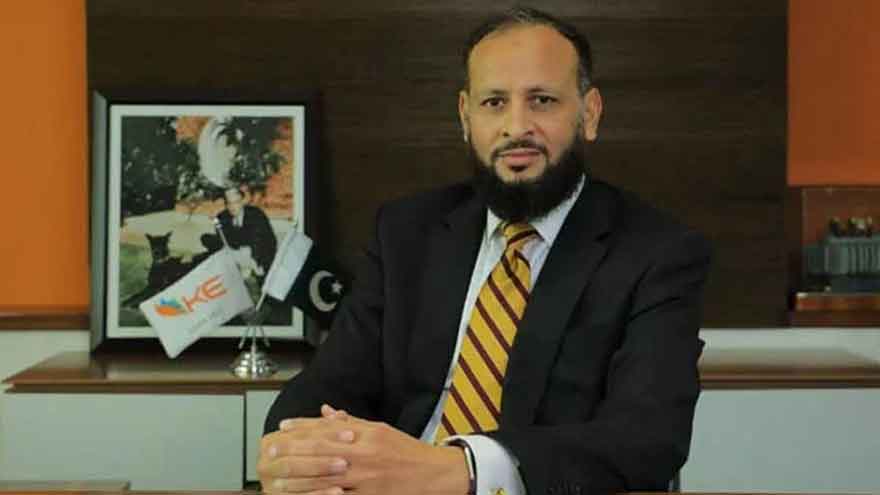
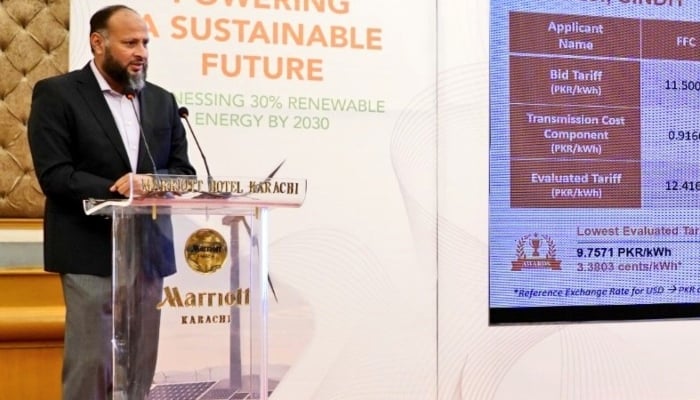
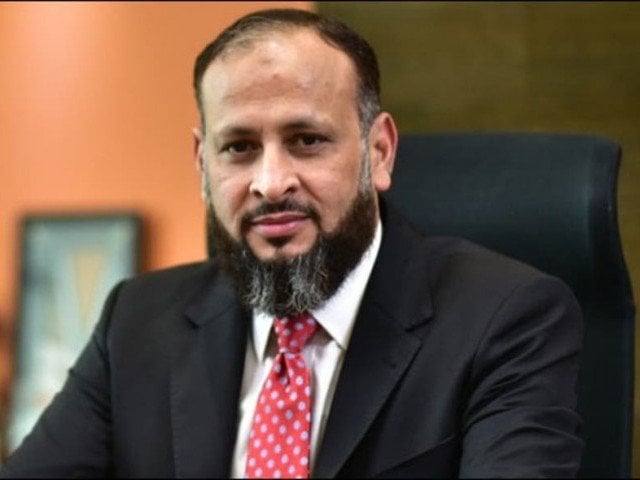
A structural recalibration is underway within Pakistan’s vital energy sector as Syed Moonis Abdullah Alvi tenders his resignation as Chief Executive Officer of K-Electric. This significant leadership transition, formally disclosed via a February 6, 2026, filing to the Pakistan Stock Exchange and its regulator, signals a critical juncture for the nation’s primary power utility. The Moonis Alvi resignation follows a prolonged controversy, prompting a strategic re-evaluation of corporate governance and leadership accountability within key national enterprises.
Understanding the Leadership Transition
This development follows extensive scrutiny surrounding harassment allegations brought forth by a former senior employee. Reports indicate Alvi experienced considerable mental stress due to accusations of harassment, intimidation, creating a hostile work environment, and mental agony. K-Electric, in its official filing, maintained a precise stance, withholding further specifics regarding the impetus for Alvi’s departure or the operational blueprint for leadership succession.
Alvi joined K-Electric in 2008, accumulating extensive experience across various senior roles before his CEO appointment in 2018. His trajectory within the utility included key positions such as:
- Chief Financial Officer
- Company Secretary
- Head of Treasury
During his tenure as CEO, he spearheaded critical corporate initiatives, notably the Roshani Baji programme, and actively served as the company’s public face.
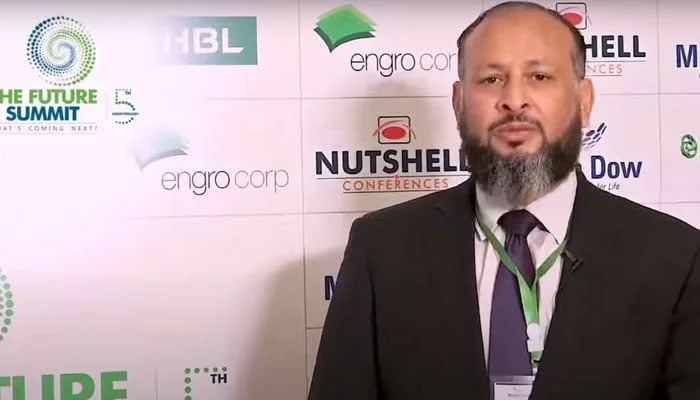
The Translation: Deconstructing Corporate Action
The core of this situation involves a former chief marketing and communications officer’s claims against Alvi and other individuals within K-Electric. These serious allegations prompted intervention by the Sindh High Oversight Authority, spearheaded by retired Justice Shah Nawaz Tariq. Initially, this authority mandated Alvi’s removal and imposed a significant fine of Rs. 2.5 million. Alvi, maintaining his innocence, asserted his intention to challenge this initial ruling.
Subsequently, a precise review by Sindh Governor Kamran Tessori overturned the provincial order from July 31, 2025. This decision cited the omission of critical evidentiary factors. Specifically, the complainant had not submitted a formal written grievance to K-Electric’s internal committee or any other designated authority. Furthermore, the chat records presented as evidence lacked the precise substantiation required for several key allegations. Alvi’s position consistently affirmed that the employee’s departure stemmed from an HR committee decision related to poor performance, contrasting with the complainant’s assertion that her removal was directly linked to the harassment claims.
The Socio-Economic Impact: Calibrating Public Trust
The Moonis Alvi resignation and the surrounding controversy hold significant implications for the daily life of a Pakistani citizen, particularly concerning perceptions of corporate integrity and essential service delivery. For students and professionals, this event underscores the evolving landscape of workplace ethics and accountability in major national corporations. A leadership transition at K-Electric, a critical utility provider, prompts questions about service stability, especially for households and businesses reliant on consistent power. This situation demands a transparent and robust transition plan to mitigate any potential disruption in service, ensuring that urban and rural Pakistanis continue to receive uninterrupted power supply. The precise handling of such high-profile cases directly influences public trust in corporate governance structures and the justice system, impacting citizens’ confidence in institutional fairness.
The Forward Path: A Stabilization Move for Corporate Governance
This development represents a Stabilization Move rather than a sudden Momentum Shift. The rigorous legal and regulatory process, culminating in the overturning of the initial order and now the CEO’s resignation, indicates an attempt to restore structural integrity and predictable corporate governance. The Moonis Alvi resignation signals a calibrated response to a complex situation. While the initial allegations presented a challenge, the subsequent review and the board’s undisclosed actions suggest a measured response. This precise recalibration of leadership is essential for K-Electric to maintain operational baseline efficiency and rebuild stakeholder confidence amidst ongoing scrutiny. The focus must now shift towards establishing clear succession pathways and reinforcing internal compliance frameworks to prevent future controversies from impacting critical public services.