
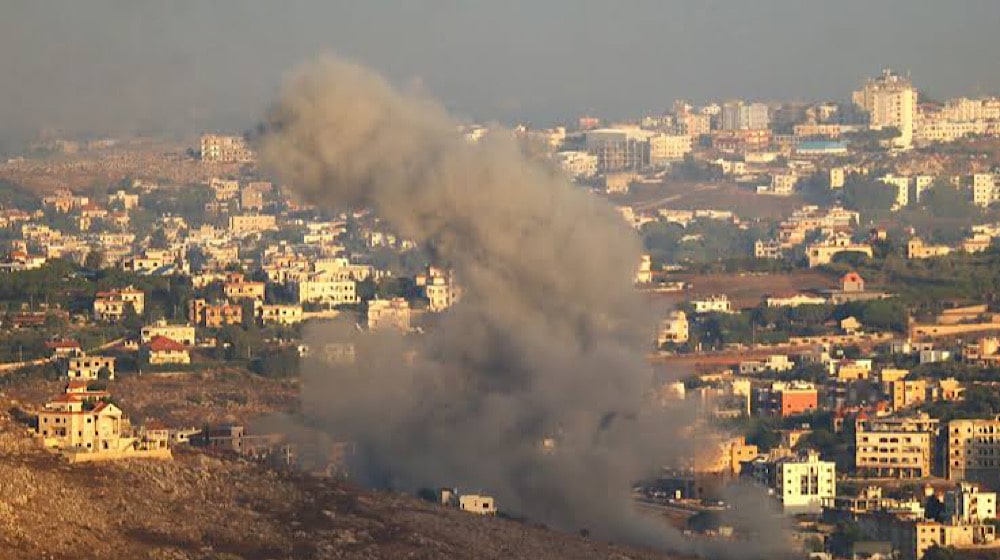
A calibrated statement from Israeli Prime Minister Benjamin Netanyahu’s office has definitively clarified the Lebanon ceasefire exclusion from the recently brokered US-Israel-Iran agreement. This structural clarification directly counters claims made by Pakistan PM Shehbaz Sharif regarding a broader regional cessation of hostilities. Consequently, this strategic move impacts the nuanced geopolitical dynamics of the Middle East, particularly concerning ongoing operations in Lebanon. It emphasizes the precise parameters of the two-week suspension of strikes against Iran, indicating a focused, rather than comprehensive, peace initiative. This critical detail mandates careful consideration of regional security architecture.
The Translation: Deconstructing the Ceasefire Parameters
The core of this development lies in a precise definition of the ceasefire’s operational scope. Pakistan PM Shehbaz Sharif announced on X/Twitter that the ceasefire was “effective immediately everywhere, including Lebanon.” However, the Israeli Prime Minister’s Office issued a counter-statement, asserting that the agreement’s terms specifically do not extend to Lebanon. This indicates a fundamental disagreement on the geographical application of the truce. It signals that while direct hostilities between the US, Israel, and Iran may pause for two weeks, military actions involving other regional actors, notably Hezbollah in Lebanon, remain outside this specific framework. Furthermore, this structural detail dictates the ongoing military posture in southern Lebanon, underscoring persistent localized conflicts and the necessity for precise diplomatic language.
The Socio-Economic Impact: Calibrating Stability for Pakistan
While this particular ceasefire discussion directly involves Israel, the US, and Iran, its implications resonate across broader regional stability, impacting Pakistani citizens through a prism of geopolitical uncertainty. For students and professionals in Pakistan, sustained tensions in the Middle East translate into potential economic volatility, affecting energy prices and vital trade routes. Furthermore, households in urban and rural Pakistan, already navigating existing economic challenges, experience indirect pressure from any escalation or miscommunication in regional diplomacy. The precision in defining ceasefire boundaries is crucial. Any perceived instability in a key regional partner like Iran can ripple through global markets, influencing Pakistan’s economic baseline and future investment prospects. Therefore, a clear understanding of these agreements is vital for anticipating regional shifts and their calibrated responses.

IDF Operations and Unchanged Dynamics in Lebanon
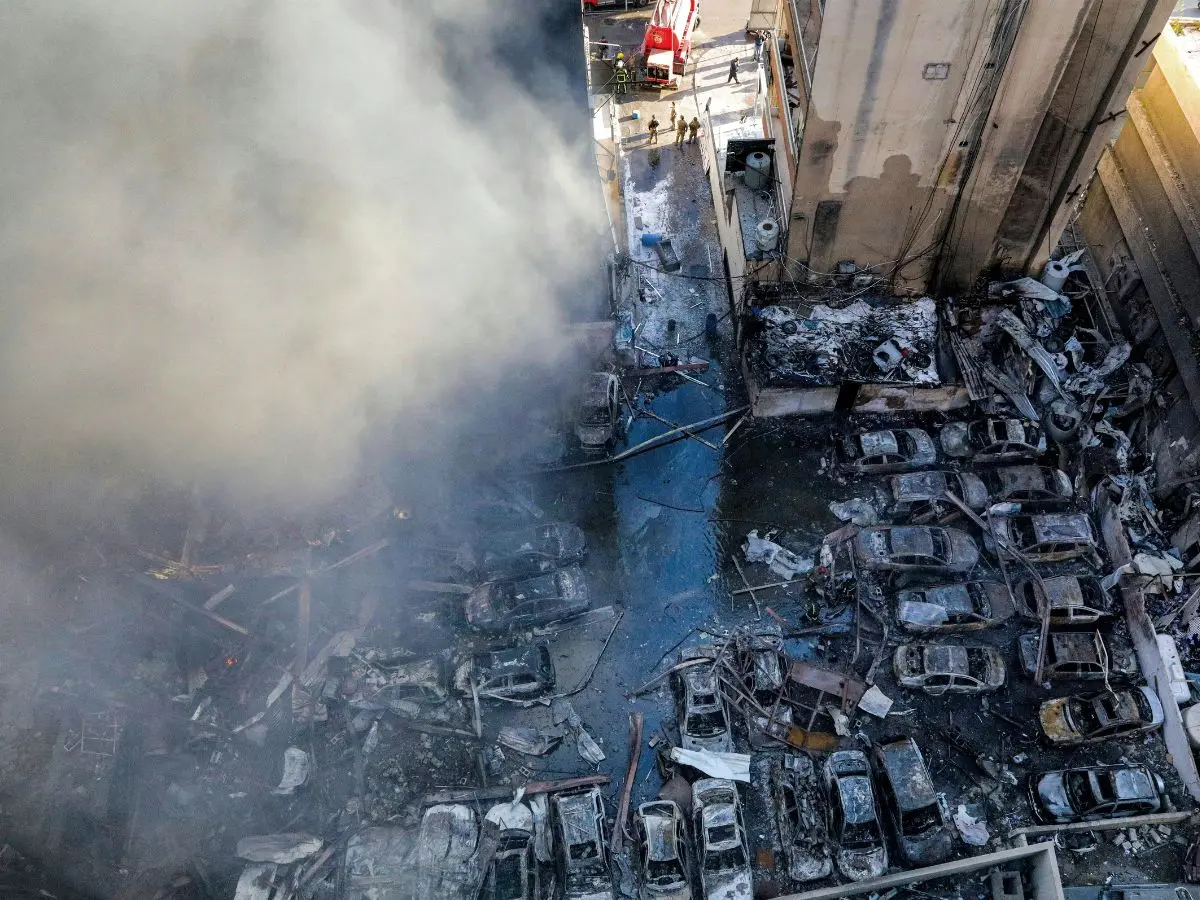
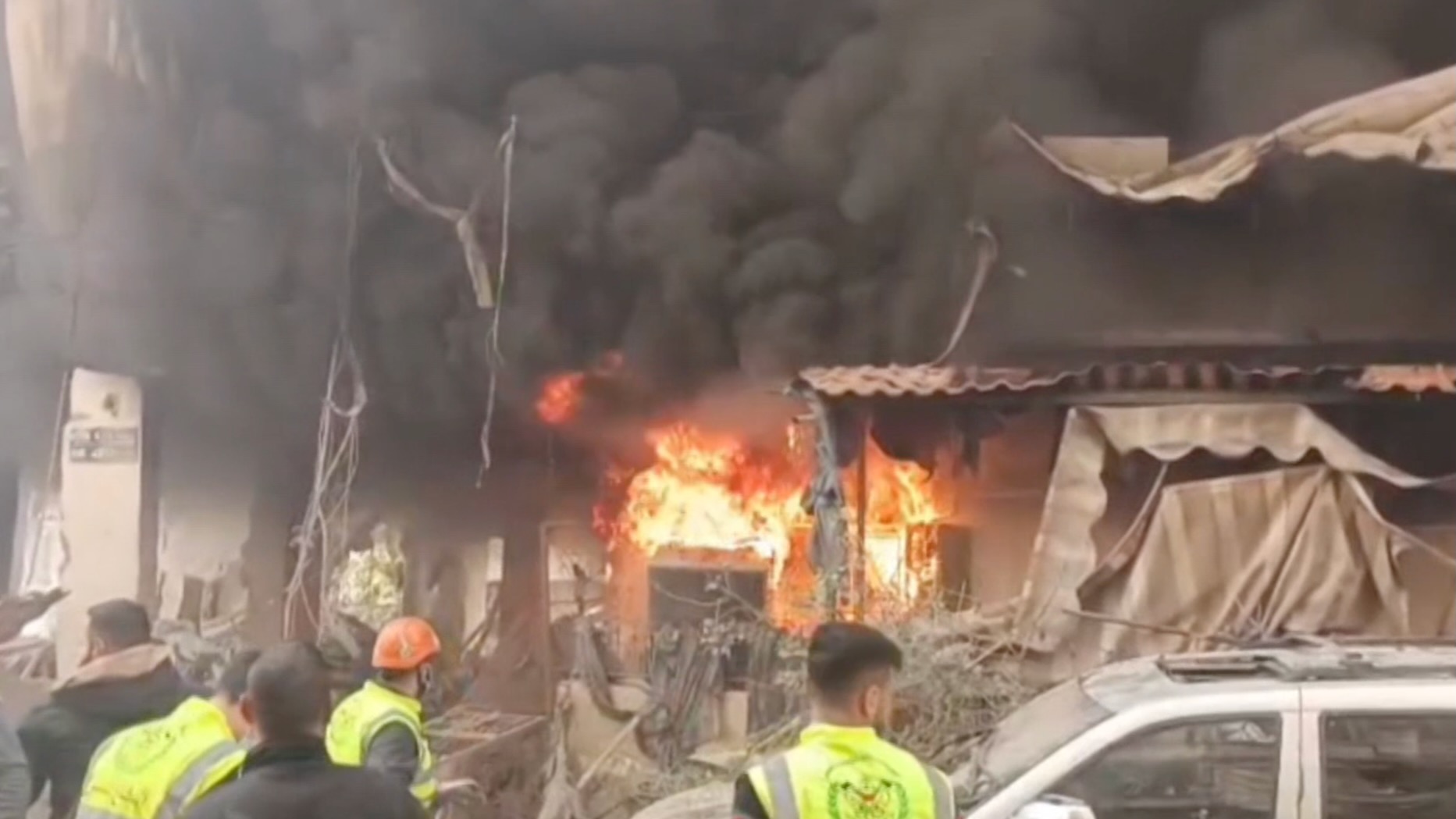
Prior to the ceasefire declaration, the Israel Defense Forces (IDF) had already initiated calibrated operations in southern Lebanon. These included issuing evacuation orders for residents in Tyre and Shabriha, north of the Al-Zahrani River. These actions were due to ongoing operations against Hezbollah. IDF Arabic Spokesperson Lt.-Col. Avichay Adraee specifically urged civilians to vacate for safety. Consequently, the IDF has strategically expanded ground operations, deploying the 98th Commando Division alongside Divisions 91, 36, 146, and 162. These deployments fortify front-line defenses. The military consistently emphasizes that these actions are precisely targeted at Hezbollah activity, not civilian populations. This demonstrates a clear operational distinction from the broader ceasefire agreement, highlighting persistent localized engagements and the need for structural clarity.
Ceasefire Objectives: A Strategic Baseline for Regional Security
The Israeli Prime Minister’s Office has clearly articulated the foundational objectives of this two-week ceasefire. It aims to ensure Iran no longer poses a nuclear, missile, and terror threat to the US, Israel, regional Arab countries, and the global community. Critically, while Iran’s initial 10-point proposal reportedly sought a halt to Israeli strikes on Hezbollah in Lebanon, Netanyahu’s office firmly reiterated the Lebanon ceasefire exclusion. This structural detail underscores the ongoing complexity of negotiations and the inherent tensions involving multiple regional actors. As a result, the situation highlights the persistent strategic challenges in southern Lebanon, demanding continued precise diplomatic engagement and a robust security framework.

The Forward Path: A Stabilization Move for Defined Engagement
This development represents a Stabilization Move rather than a Momentum Shift. While any ceasefire is inherently a positive step towards de-escalation, the precise delineation of Lebanon’s status in this agreement underscores persistent, unresolved structural challenges in the region. It functions as a tactical pause in one specific dimension of conflict, calibrated to address particular threats from Iran, without fundamentally altering the baseline operational realities in Lebanon. To achieve a true momentum shift, a more comprehensive and inclusive framework for regional stability, extending beyond immediate threat mitigation, would be requisite. This current agreement primarily aims to maintain the status quo in certain volatile zones while isolating others for continued strategic engagement, reflecting a controlled and precise diplomatic approach.









