

Calibrated Movement: Strategic Protocols for Critical Talks
As Islamabad prepares to host the high-stakes “Islamabad Talks 2026” between the United States and Iran, a meticulously developed Islamabad Traffic Plan has been activated. This strategic initiative by the federal capital’s traffic police aims to ensure calibrated movement and maintain stringent security protocols. The comprehensive plan prioritizes safety and logistical efficiency for all foreign delegations while minimizing disruption for citizens.

The Translation: Deconstructing Enhanced Security Protocols
For two critical days, April 11 and 12, Islamabad will implement a ban on heavy traffic entering the city. This measure is not arbitrary; rather, it represents a baseline security enhancement. Consequently, the presence of high-profile foreign delegations necessitates a structural approach to traffic management, safeguarding both national interests and international participants. The plan strategically reduces vehicular density, thereby mitigating potential security risks.
Socio-Economic Impact: Navigating the Daily Commute During the Islamabad Traffic Plan
This revised traffic strategy directly impacts the daily lives of Islamabad’s residents, professionals, and students. Understanding the alternative routes is paramount for maintaining personal efficiency. For instance, commuters traveling from Peshawar to Rawalpindi are advised to utilize the Taxila Motorway. Similarly, those journeying from Lahore to Peshawar can efficiently use the Rawat, Chak Beli, and Chakri routes. This proactive rerouting aims to keep urban and rural connectivity functional.
- Residents in G-5, F-6, and F-7 sectors should transition to Margalla Road for their movements.
- Conversely, individuals in G-6 and G-7 sectors must integrate Ninth Avenue into their travel plans.
- Furthermore, traffic originating from Faisal Avenue heading towards Zero Point will be systematically redirected to Ninth Avenue.
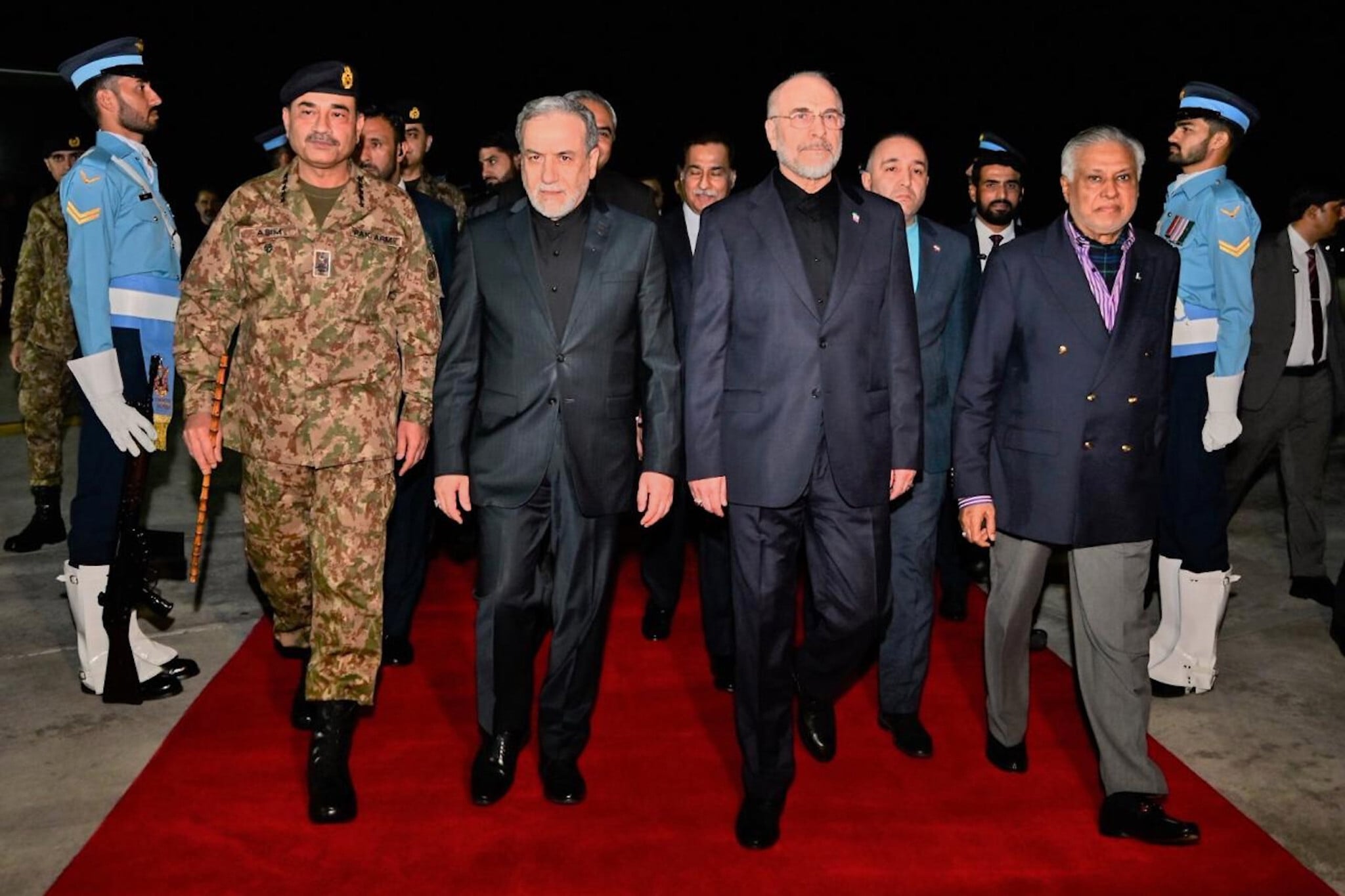
For intercity travel, a strategic preference has been given to the Taxila and Fateh Jang Motorways. This recommendation ensures smoother logistical flow and minimizes localized congestion. Therefore, planning routes in advance is crucial for all citizens.
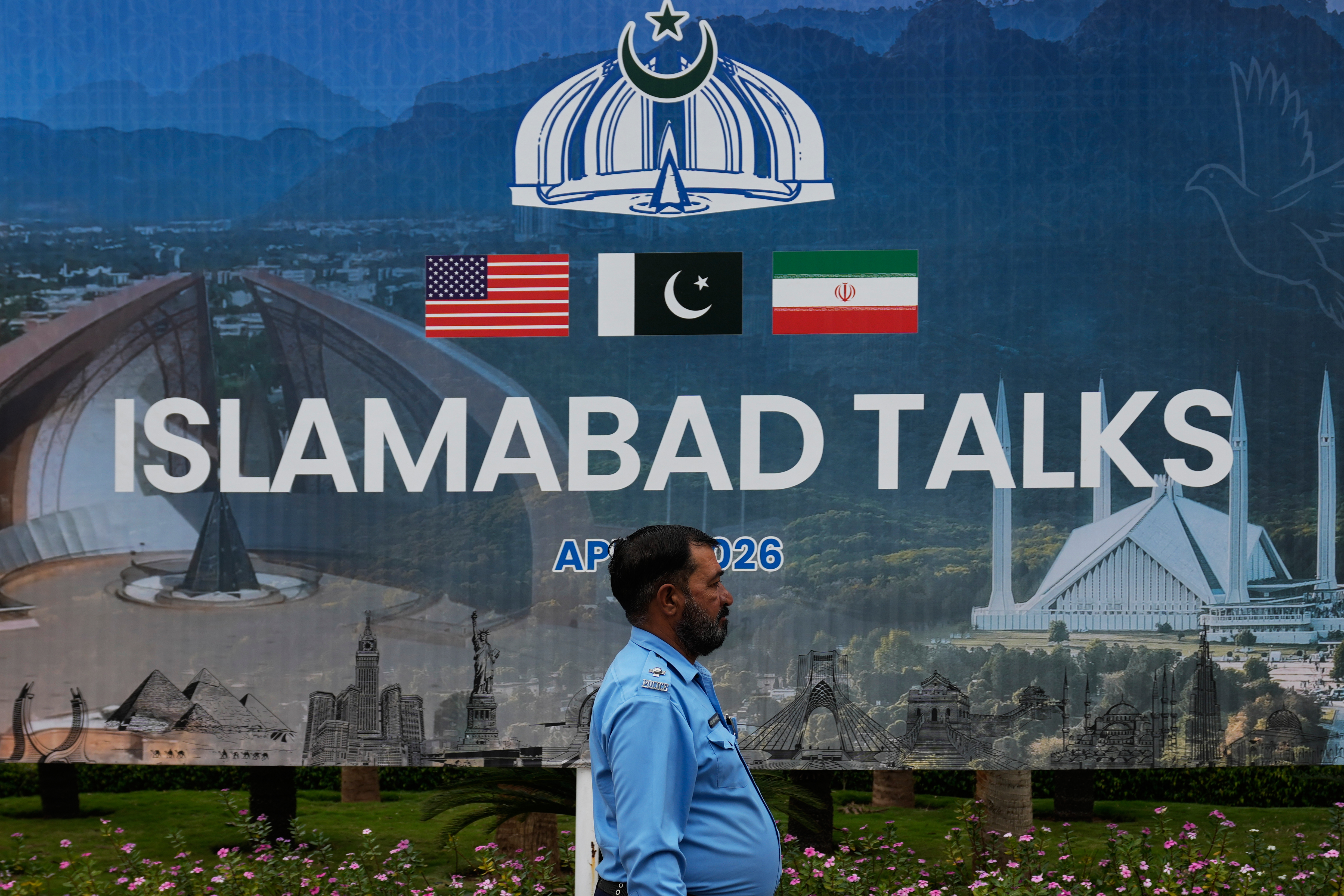
The Forward Path: A Stabilization Move for National Advancement
This comprehensive traffic diversion, driven by essential security measures, represents a clear “Stabilization Move.” It is not merely a reactive measure but a calculated step to ensure the seamless execution of high-level diplomatic engagements. The successful implementation of this strategic initiative reflects Pakistan’s commitment to robust logistical frameworks and international security standards. Ultimately, this precision in urban management directly supports the nation’s broader advancement objectives on the global stage, showcasing an organized approach to critical events.








