Islamabad’s administration is implementing a strategic initiative to mandate the formal Islamabad taxi registration for all online ride-hailing and taxi services. This calibrated move aims to enhance passenger safety and establish a structured operational baseline for transport providers across the federal capital. Consequently, a new digital automation process will collect comprehensive records of drivers and vehicles, including motorcycles, thereby fortifying the city’s transport infrastructure against unregulated operations.
The Translation (Clear Context): Mandating Formal Islamabad Taxi Registration
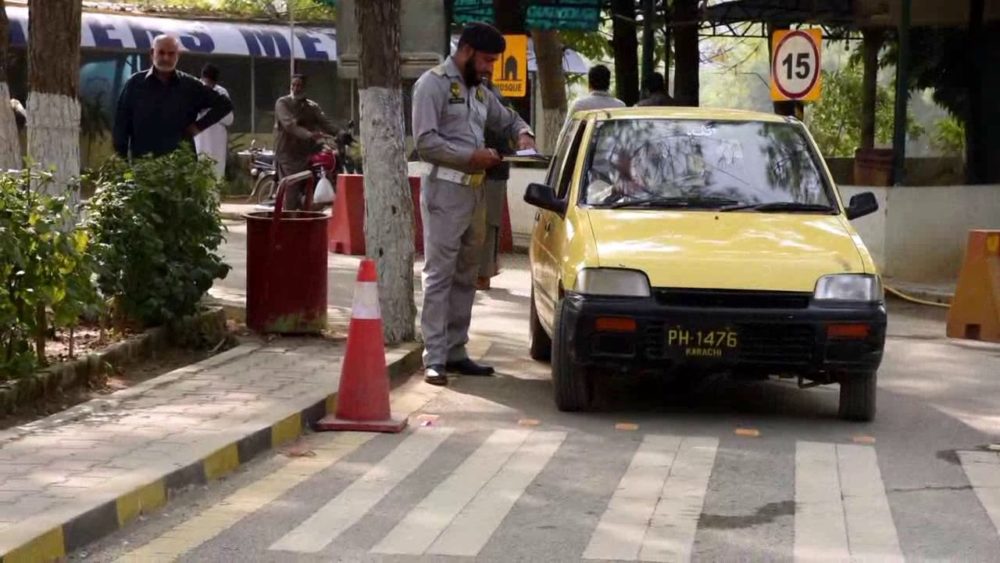
Previously, a segment of online ride-hailing services operated without official governmental oversight, creating a systemic gap in accountability. The district administration has now directed the Additional Deputy Commissioner (East) to engage directly with service providers, ensuring full compliance. Furthermore, the Deputy Commissioner Islamabad has instructed the transport authority to initiate a focused crackdown on all unregistered motorcycle taxi operators. This policy shift mandates that all vehicles and motorcycles, currently operating without approval, will undergo digital registration. Consequently, upon successful Islamabad taxi registration, the complete dataset will become immediately accessible to Islamabad Police via a dedicated application. Drivers, in turn, will be required to upload passenger details, including their national identity card numbers, for every trip; entry of this data is now a prerequisite for passenger pickup.
The Socio-Economic Impact: Enhancing Safety and Professionalism for Citizens
This structural change directly impacts the daily lives of Pakistani citizens, particularly in urban and peri-urban Islamabad. For students and professionals relying on online transport, the new registration framework provides an elevated layer of security. Verified driver and vehicle data, coupled with mandatory passenger identity recording, significantly mitigates risks associated with unregistered services. Consequently, this initiative establishes a baseline for service quality and accountability, potentially reducing instances of crime and misbehavior. Furthermore, for drivers, it formalizes their profession, integrating them into a regulated economy and offering potential for better worker protections. Households across Islamabad can anticipate a more secure, predictable, and professionally managed online transport ecosystem.

The “Forward Path” (Opinion): A Strategic Stabilization Move
This development represents a significant Stabilization Move rather than a purely transformative Momentum Shift. The administration is addressing a critical regulatory deficit that has persisted within the rapidly expanding online transport sector. By enforcing comprehensive Islamabad taxi registration and data collection, the government is structurally fortifying public safety and operational transparency. While not introducing entirely novel technologies, this initiative strategically leverages digital tools to bring an existing, fragmented industry under a standardized, accountable framework. This precise action establishes a robust foundation for future innovation and growth within Pakistan’s digital transport economy, ensuring that progress is built upon secure and regulated baselines.