

Optimizing Urban Mobility: Islamabad’s Digital Transport Mandate
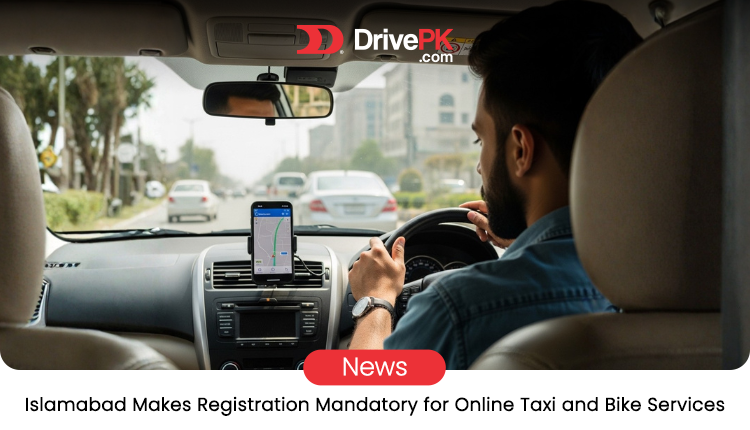
Islamabad has initiated a strategic overhaul of its urban transport infrastructure by mandating online ride-hailing registration for all services. Launched on February 10, 2026, this critical measure, managed via the CITY Islamabad mobile application, is designed to enhance passenger safety and precisely regulate the capital’s expanding ride-hailing sector. This proactive policy directly addresses accountability gaps, establishing a baseline for secure and efficient urban mobility systems.
The Translation: Calibrated Control for Digital Transport
This new regulatory framework precisely outlines the obligations for all ride-hailing and bike-hailing drivers operating within Islamabad. Drivers must register through the dedicated CITY Islamabad mobile application. The process mandates submitting personal identification via CNIC, uploading accurate vehicle or motorcycle registration documents, and then securing online approval. Consequently, upon successful verification, each driver receives a unique digital QR code. Authorities subsequently require drivers to prominently display this QR code on their vehicle’s front windshield or, for motorcycles, on the fuel tank or helmet. Furthermore, before commencing any trip, drivers are structurally obligated to record specific passenger data—including name, CNIC number, and travel details—directly within the app. Non-compliance with these stringent data submission protocols will instigate severe enforcement actions.
Passengers, too, are empowered by this system. They are advised to proactively verify their chosen vehicles prior to travel. This verification can be achieved either by accessing the official verification portal (icta.nitb.gov.pk/verify-vehicle) or by simply scanning the displayed QR code. This dual-verification mechanism creates a robust and transparent layer of accountability.
Socio-Economic Impact: Elevating Citizen Safety and Economic Integrity
This precise ride-hailing registration directive directly impacts the daily lives of Pakistani citizens across urban and rural sectors. For urban professionals and students, it translates into a significantly safer commuting environment. The standardized registration process, coupled with real-time trip data collection, introduces a new baseline for accountability. This directly mitigates risks associated with unregistered operations, fostering greater trust in digital transport services. Economically, this regulation formalizes a burgeoning sector, potentially leading to fairer competition and improved service standards. Rural households may also benefit indirectly as regulatory efficiency in major urban centers can inform future scalable digital infrastructure policies nationwide. Consequently, this initiative positions Islamabad as a leader in deploying technology for public welfare.
The imperative for drivers to register immediately to circumvent penalties underscores the administration’s commitment. This policy ensures that service providers operate within a legally defined and monitored framework, thereby protecting both consumers and legitimate businesses. This structural adjustment will catalyze a more mature and dependable urban transportation ecosystem.
The Forward Path: A Strategic Stabilization Move
This development represents a Stabilization Move for Islamabad’s urban transport landscape. While not a radical “Momentum Shift,” it is a precisely calibrated structural adjustment essential for long-term progress. The mandatory ride-hailing registration establishes foundational security and accountability mechanisms, which are critical prerequisites for future innovation and expansion. Without this baseline regulatory control, further advancements in smart city transport solutions would lack a secure and trustworthy operational environment. Therefore, this policy is a strategic consolidation, fortifying the existing digital transport infrastructure against potential vulnerabilities and ensuring sustainable growth.








