

Islamabad’s district administration has strategically implemented a new digital dashboard for Digital Ride Hailing Registration, marking a pivotal advancement in urban transport regulation. This initiative, designed to enhance passenger safety and operational efficiency, mandates formal digital registration for all taxi and bike-hailing services. Furthermore, a new QR code verification system will allow citizens instant access to driver credentials, reinforcing secure travel facilities across the federal capital.
Calibrating Urban Mobility: The Digital Framework Unveiled
The Islamabad district administration has finalized a sophisticated digital dashboard, a critical instrument for registering taxi and bike-hailing services. This systematic action targets previously unregistered operators, establishing a baseline for regulated urban transit. During a recent high-level meeting, chaired by the Deputy Commissioner (DC) Islamabad, the strategic enforcement mechanisms for this framework were meticulously reviewed.
The Translation: Securing Every Journey
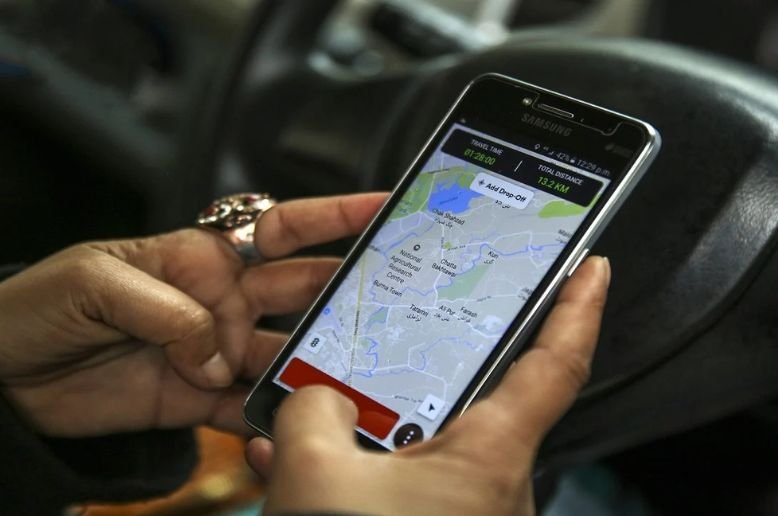
This new system translates directly into enhanced security protocols for citizens. The Additional Deputy Commissioner East presented the registration dashboard’s core features, emphasizing its user-centric design. Specifically, passengers can verify taxi and bike services through a unique QR code. This innovative feature provides instant confirmation of a driver’s registration and validated credentials, fundamentally transforming passenger trust and transparency. All formal registrations for these services will commence imminently, integrating them into the official framework.
Moreover, drivers will utilize the Islamabad City App for streamlined registration. The new protocol mandates drivers inputting passengers’ CNIC numbers and travel specifics into the app before initiating any trip. This procedural enhancement enables one-click verification of drivers, elevating passenger safety standards significantly. Consequently, the DC Islamabad affirms this initiative aims to ensure safer travel facilities throughout the federal capital.
Socio-Economic Impact: Precision, Safety, and Formalization
This strategic move profoundly impacts the daily lives of Pakistani citizens, especially those in urban and rural areas relying on ride-hailing services. For students and professionals, the QR code verification system provides an immediate layer of security, fostering confidence in their daily commutes. Parents gain calibrated assurance regarding their children’s safety, knowing drivers and vehicles are officially registered and trackable. Furthermore, the mandatory registration process formally integrates thousands of drivers into a regulated economy, potentially leading to better economic opportunities and social security for them. This structural shift moves the informal ride-hailing sector towards a more organized, accountable paradigm.
Reinforcing Compliance: A Structural Mandate
The district administration has issued a precise warning: stringent action will be taken against any individual operating unregistered taxi or bike services in Islamabad. This decisive stance underscores the commitment to full compliance. The formal registration of all online taxi services has been definitively mandated. Through digital automation, comprehensive data on both drivers and vehicles will be systematically collected, establishing a robust database.
To ensure seamless implementation, the Additional Deputy Commissioner East received directives to coordinate directly with the CEOs of all taxi services. Concurrently, the Secretary Islamabad Transport Authority has been tasked with initiating a comprehensive crackdown against unregistered bike services. The Islamabad Police will also have access to this critical registration data. Critically, drivers will not be permitted to transport passengers without entering the requisite passenger details into the app, commencing with the formal registration phase.
The Forward Path: A Momentum Shift in Urban Governance
This development undeniably represents a Momentum Shift for Pakistan’s urban governance and digital integration. It transitions urban transport from an unregulated landscape to a meticulously structured system. The proactive embrace of digital solutions for safety and verification sets a new national standard. This initiative is a catalyst for broader reforms, demonstrating that calibrated technological application can address critical public safety concerns while simultaneously formalizing economic sectors. It signifies a decisive step towards a more efficient, secure, and digitally advanced federal capital.








