

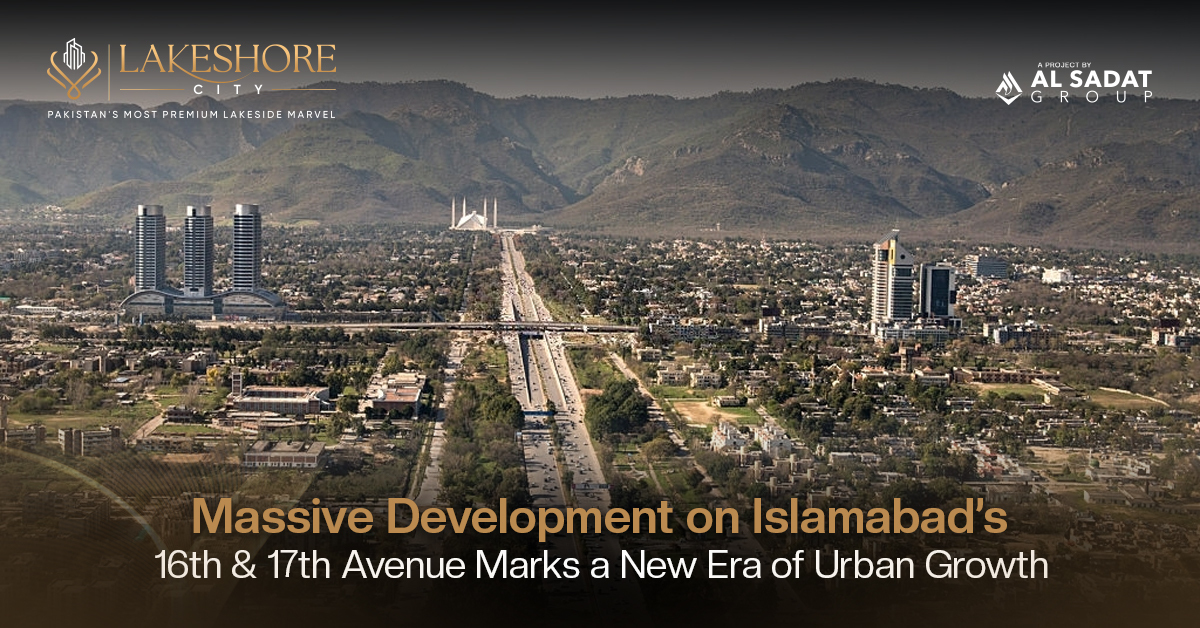
Islamabad is strategically advancing its urban infrastructure with the imminent construction of 10th and 11th Avenues. These Islamabad new avenues are a critical, calibrated response to the projected surge in vehicular traffic, anticipated after the completion of a vital new road connecting Margalla Road with Motorway M-1. This proactive development by the Capital Development Authority (CDA) aims to optimize urban flow, ensuring that the capital’s connectivity evolves efficiently to meet future demands.
The Translation: Deconstructing Islamabad’s Infrastructure Strategy
City authorities have initiated a structural reframing of Islamabad’s urban connectivity. The previously stalled 10th Avenue project is now reactivated, alongside the accelerated development of 11th Avenue. This dual-avenue strategy directly addresses the increased traffic volume expected from the new Margalla Road–M-1 link. This crucial link is engineered to connect seamlessly with the Rawalpindi Ring Road, forming a comprehensive regional artery. Consequently, the CDA forecasts substantial traffic pressure on Margalla Road. These additional avenues are therefore a calculated measure to prevent congestion, specifically accommodating the heightened ingress of vehicles from Margalla Avenue, Srinagar Highway, and other connecting routes.

CDA Chairman Muhammad Ali Randhawa consistently emphasizes the strategic imperative for forward-thinking traffic planning. As new regional road links become operational, the completion of missing links within Islamabad’s master plan is paramount. Furthermore, the Chairman has issued precise directives for all future infrastructure projects to undergo thorough Environmental Impact Assessments (EIAs) prior to commencing construction. This commitment ensures that progress is balanced with ecological responsibility, establishing a new baseline for sustainable urban development.

The Socio-Economic Impact: Calibrating Daily Life for Pakistanis
The development of these Islamabad new avenues signifies a tangible improvement in the daily lives of Pakistani citizens. For students and professionals, reduced commute times will directly translate to enhanced productivity and a better quality of life. This structural upgrade mitigates the economic drain of traffic delays, lowering fuel consumption and vehicle wear. Furthermore, improved urban flow facilitates more efficient access to educational institutions, healthcare facilities, and commercial centers across both urban and peripheral areas.
Rural communities connecting through the Margalla Road–M-1 link will experience more seamless integration with the capital’s economic opportunities. This structural efficiency acts as a catalyst for regional economic activity, fostering smoother logistics for goods and services. Consequently, households will benefit from improved accessibility and potentially reduced transportation costs, bolstering overall socio-economic stability.
The “Forward Path”: A Momentum Shift for Urban Planning
This initiative represents a definitive “Momentum Shift” in Islamabad’s urban planning trajectory. It is not merely a reactive measure but a proactive, strategic investment in future capacity. The CDA’s emphasis on completing master plan links and mandating EIAs demonstrates a disciplined, long-term vision. This structural foresight ensures that Islamabad is not only managing current traffic challenges but is also meticulously building a resilient and efficient urban framework capable of sustaining exponential growth. This development establishes a robust baseline for future infrastructure projects, propelling Pakistan’s capital toward enhanced systemic efficiency.








