
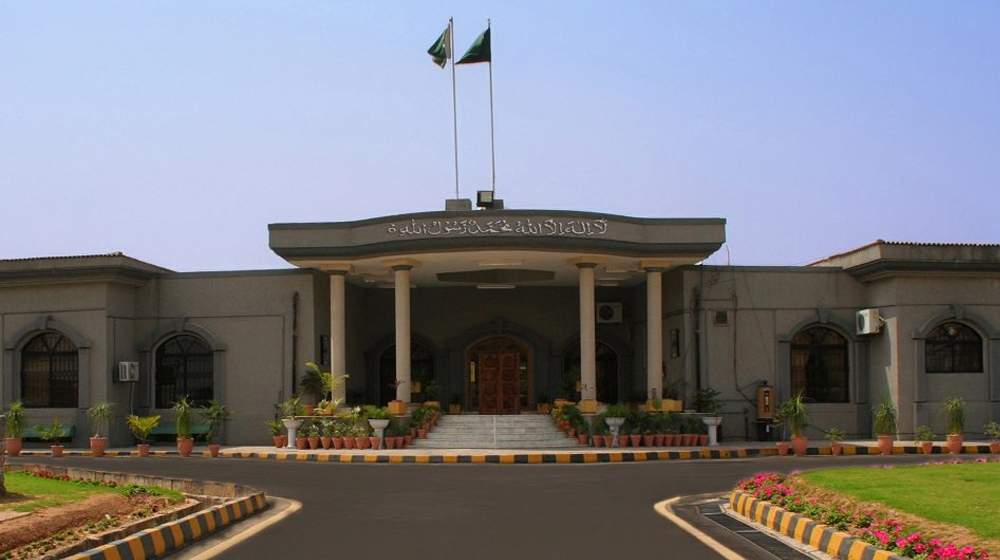
A landmark decision by the Islamabad High Court has strategically reinforced the Pakistan Medical and Dental Council’s (PMDC) fee cap, preventing private medical colleges from overcharging students. This ruling, specifically addressing egregious violations of the PKR 1.8 million annual limit on private medical fees, marks a critical intervention for student welfare and regulatory compliance within Pakistan’s medical education sector. Consequently, institutions are now legally obligated to adhere strictly to the stipulated fee structure, safeguarding aspiring medical professionals from predatory practices.
The Translation: Calibrating Fee Structures for Equity in Medical Education
This judicial directive clarifies the operational parameters for private medical colleges. Specifically, under the PMDC Act 2022, the annual fee for MBBS programs is precisely capped at PKR 1.8 million. The court intervened after a student, Yamna Yasir, faced demands for PKR 2.45 million – a significant surcharge of PKR 650,000. Furthermore, the college administration threatened to bar her from examinations if the additional payment was not made, directly challenging established legal frameworks.
The court’s order mandates strict adherence to this PKR 1.8 million ceiling. It explicitly prohibits colleges from collecting any amount exceeding the PMDC-approved limit, ensuring that regulatory guidelines are not merely advisory but legally enforceable. This structural clarity provides a baseline for fair financial practices in medical education.
Socio-Economic Impact: Stabilizing Educational Access for Pakistani Students
This ruling fundamentally shifts the financial landscape for Pakistani families aspiring to enroll their children in private medical colleges. Previously, arbitrary fee hikes created significant economic barriers, particularly for middle-income households. Consequently, many talented students faced the grim prospect of abandoning their medical dreams due to exorbitant costs. This decision alleviates that burden.
For students, it guarantees that their academic pursuits will not be held hostage by unlawful financial demands. It assures them access to examinations and admit cards, provided they meet the legally stipulated fee requirements. This directly impacts urban and rural students, ensuring that talent, rather than wealth, remains the primary determinant for medical education.
The Forward Path: A Momentum Shift Towards Accountability and Fair Practice
This development represents a Momentum Shift. The Islamabad High Court’s decisive action is not merely a legal victory for one student; it is a systemic reinforcement of regulatory authority and an assertive move against institutional overreach. Issuing notices to the federal government, PMDC, and the college administration indicates a broader intent to ensure widespread compliance. This judicial clarity sets a crucial precedent, compelling private medical institutions to operate within established legal and ethical parameters. Strategically, this ruling bolsters public trust in both the judiciary and educational governance, paving the way for a more equitable and stable medical education system in Pakistan.








