
Understanding the Impact of IMF Deals Pakistan Faces on Growth
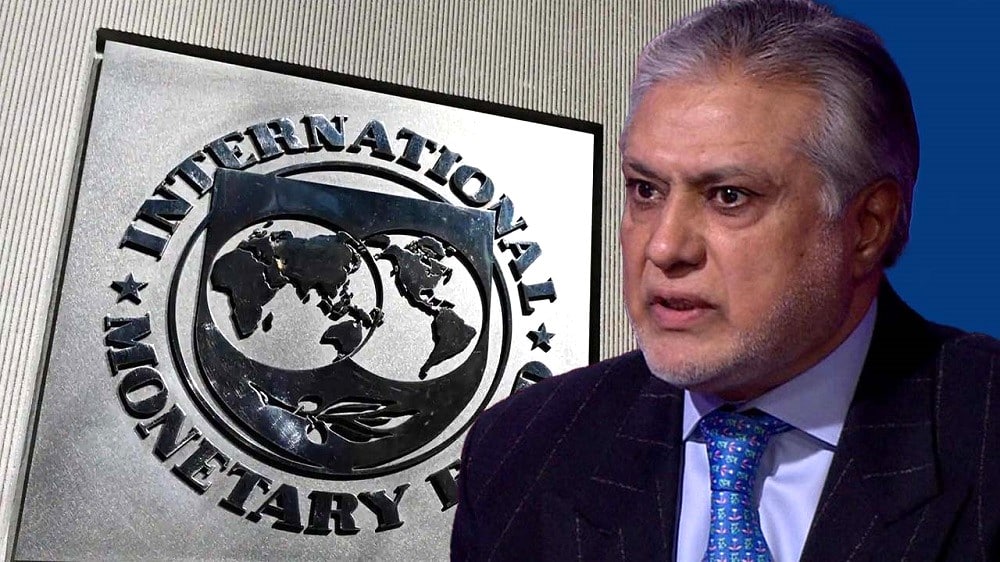
Deputy Prime Minister and Foreign Minister Ishaq Dar recently voiced strong opinions about International Monetary Fund (IMF) programs. He stated that these **IMF deals Pakistan** widely perceives as inherently anti-growth. Speaking at the Pakistan Policy Dialogue, Dar highlighted the crucial need for effective economic progress. Meaningful growth must surpass the nation’s population growth rate. Specifically, he noted that only growth above 2.6 percent genuinely counts as net growth.
Dar’s comments reflect a growing national sentiment. While IMF assistance often proves vital for immediate fiscal stability, its stringent conditions can inadvertently hinder domestic economic expansion. Moreover, these conditions frequently pressure various economic sectors. Consequently, this perspective fuels a national debate about balancing short-term financial needs with long-term sustainable development objectives.
Pakistan’s Proactive Strategies to Navigate Economic Challenges
Ishaq Dar outlined Pakistan’s proactive strategies for complex economic challenges. He emphasized the revitalized **CPEC 2.0 development** as a cornerstone for future progress. Furthermore, he highlighted expanding economic engagement with diverse international partners. These include the United States, European nations, Gulf states, and Central Asian republics.
These multifaceted efforts aim to invigorate trade, attract crucial foreign direct investment, enhance regional connectivity, and generate much-needed employment opportunities across the country. A central tenet of Pakistan’s current **Ishaq Dar economic strategy** is addressing an external financing gap, estimated at $3 billion.
To tackle this, Dar proposed a robust strategy. It focuses on boosting key economic drivers: increasing remittances by $1 billion, exports by $1 billion, and services sector contributions by another $1 billion. Ultimately, this comprehensive approach builds a more resilient and self-reliant economy. It also aims to reduce reliance on external borrowing over time.

Implementing Reforms for Sustainable Stability in Pakistan
The Pakistani government, guided by Dar, has courageously implemented challenging reforms. These critical **Pakistan reform efforts** include the ambitious privatization of various state-owned enterprises. A determined focus on reducing the burdensome circular debt that plagues the energy sector is also key. Additionally, the right-sizing of governmental departments improves efficiency.
Widespread adoption of digital governance initiatives aims to enhance transparency and public service delivery. Dar asserted that these significant reforms are already yielding positive outcomes. He cited contributions to achieving a current account surplus, alongside a noticeable easing of persistent inflationary pressures.
Furthermore, improved revenue performance for the national exchequer and a renewed sense of confidence among investors are evident. These developments are vital indicators of the government’s commitment to establishing a foundation for sustained economic stability and growth. The goal is to move beyond crisis management to a more forward-looking approach, despite the scrutiny surrounding **IMF deals Pakistan** faces.

Strengthening Global Diplomatic and Economic Alliances
Beyond internal reforms, Pakistan actively strengthens its external economic and diplomatic relations. Ishaq Dar highlighted ongoing negotiations for a significant 19 percent tariff arrangement with the United States. This move holds the potential to substantially boost bilateral trade and deepen economic collaboration. Concurrently, Pakistan has solidified strategic ties with Saudi Arabia through a defense agreement. This underscores its commitment to regional security and diplomatic partnerships.
Furthermore, diplomatic relations with neighboring Bangladesh have entered a promising new phase. A significant China-Pakistan-Bangladesh trilateral framework now actively supports enhanced regional cooperation. Dar also mentioned that a similar trilateral arrangement involving Pakistan, China, and Afghanistan is currently under consideration.
These strategic diplomatic maneuvers are pivotal for enhancing Pakistan’s geopolitical standing. Consequently, they foster economic integration and stability in the broader region. Ultimately, they support its long-term **sustainable economic growth** ambitions, even amidst the perceived constraints of international financial agreements.









