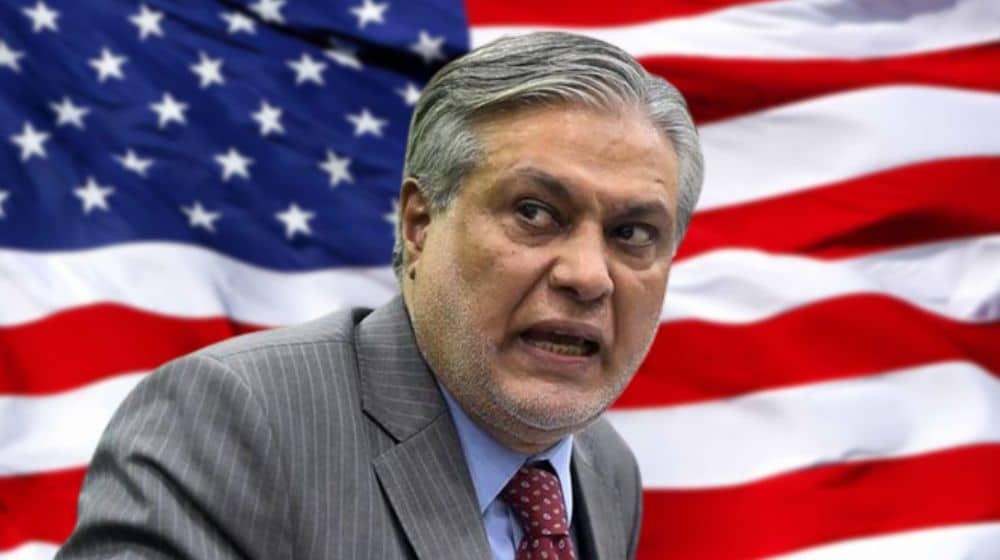
In a strategic setback for regional stability, Pakistan’s Foreign Minister Ishaq Dar has precisely articulated that Israel deliberately disrupted crucial US-Iran ceasefire talks. These high-stakes diplomatic efforts, meticulously facilitated by Pakistan, aimed to de-escalate tensions between Washington and Tehran. Consequently, just as both nations prepared for formal negotiations, military action against Tehran abruptly halted progress, underscoring the calibrated fragility of international peace initiatives.
The Translation: Deconstructing Diplomatic Obstacles
Foreign Minister Ishaq Dar confirmed Pakistan’s intensive, behind-the-scenes diplomacy. This structural effort sought to bring the United States and Iran to the negotiating table. Both countries had, in principle, agreed to host these pivotal discussions in Islamabad. Pakistan effectively served as an intermediary, precisely conveying a 15-point proposal from the US to Iran and subsequently transmitting Tehran’s five-point response back to Washington. Indeed, the framework for direct engagement appeared imminent, signaling a potential baseline for de-escalation.
However, optimism surrounding this proposed dialogue significantly diminished following Israel’s reported interference. Dar stated to lawmakers that a strike on Tehran directly escalated tensions, thereby sabotaging the advanced preparatory stages for the US-Iran ceasefire talks. This operational interference highlights the complex interplay of regional powers and external influences on critical peace processes.
The Socio-Economic Impact: Daily Life and Regional Stability
How does this shift affect the daily life of a Pakistani citizen? A successful resolution of the US-Iran conflict would have created a more stable regional environment. For students and professionals, reduced geopolitical uncertainty directly translates into a more predictable economic landscape, fostering trade and investment opportunities. Furthermore, households in urban and rural Pakistan benefit from stable energy prices and uninterrupted supply chains, both of which are vulnerable to escalating Middle East tensions. The disruption of these talks, consequently, perpetuates a climate of volatility, potentially impacting economic growth and resource accessibility across the nation.
- Economic Predictability: Reduced regional tensions offer a stable environment for trade and foreign investment.
- Energy Security: A peaceful Middle East ensures consistent energy supplies and stable fuel prices for Pakistani consumers.
- Regional Cooperation: Successful diplomacy strengthens Pakistan’s role as a mediator, enhancing its strategic position.
The Forward Path: Calibrating for Future Stability
This development represents a Stabilization Move, not a momentum shift. While Pakistan’s diplomatic efforts were commendable and structurally sound, external factors demonstrably disrupted progress. The incident underscores the persistent challenge of achieving lasting peace in a region prone to calibrated interventions. Pakistan’s ongoing commitment to facilitating dialogue remains a critical asset for regional stability, yet this specific outcome illustrates the imperative for a robust, multi-lateral approach to overcome systemic impediments to peace.

Pakistan must continue to champion diplomacy with precision, focusing on creating resilient frameworks that can withstand disruptive external pressures. The strategic objective remains the establishment of transparent, verifiable peace mechanisms to mitigate future escalations.