In a strategic move to safeguard its national team, Iran has initiated critical discussions with FIFA regarding an urgent Iran World Cup move, proposing to relocate its initial World Cup matches from the United States to Mexico. This decisive action stems from escalating security concerns tied to the ongoing Middle East conflict, compelling the Iranian football federation to prioritize player welfare and logistical precision for the upcoming tournament.
Calibrated Relocation: Deconstructing Iran’s FIFA Proposal
Operational Shift for Player Safety
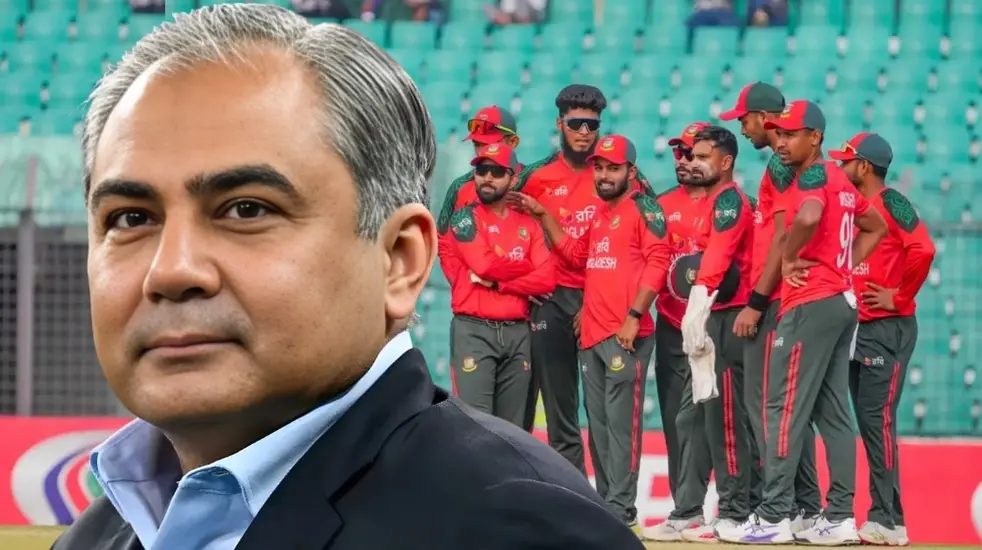
Iran’s football federation, led by chief Mehdi Taj, has formally engaged FIFA to address significant security vulnerabilities impacting their participation in the co-hosted 2026 World Cup. When President Trump previously expressed reservations about the security of Iran’s team, it underscored a fundamental challenge. The federation now asserts that without explicit, ironclad safety guarantees, their team will not travel to the United States. Consequently, the proposed shift to Mexico represents a proactive strategy to maintain tournament participation while mitigating geopolitical risks.

Furthermore, Iran’s ambassador to Mexico, Abolfazl Pasandideh, explicitly criticized a perceived lack of US cooperation regarding visas and essential logistical arrangements for Iran’s delegation. He officially raised the concept with FIFA: moving Iran’s matches out of the United States entirely and into Mexico. At present, FIFA has not issued an immediate public response to this formal request.
Geopolitical Tensions and Athletic Mandates
The debate surrounding the Iran World Cup move intensified following recent remarks by US President Donald Trump. He stated that while Iran’s team would be “welcome,” they should consider avoiding travel for their “life and safety.” These comments contrasted sharply with prior assurances from FIFA president Gianni Infantino, who had conveyed Trump’s promise that the Iranian team would be received without any complications. Iran’s public response was firm, emphasizing that no entity could bar its national side from the World Cup, a principle of athletic sovereignty.

The backdrop to these discussions is a period of heightened regional instability. Tensions have sharply escalated following missile attacks between the United States and Israel on Iran, succeeded by Iranian retaliatory strikes targeting Israeli territory and US-linked sites across the Middle East. Such geopolitical friction undeniably influences the operational planning for major international events.
Socio-Economic Resonance: Impact on Pakistani Households
Global Sports, Local Realities
For Pakistani citizens, particularly students and aspiring professionals, the implications of such a high-profile Iran World Cup move extend beyond football. It highlights how international political dynamics directly impinge on global events, impacting travel, diplomacy, and even cultural exchange. A stable, secure environment for international sports reinforces global cooperation, offering a vital counter-narrative to regional tensions. Conversely, instability can curtail opportunities for participation and dampen national pride derived from such major sporting spectacles. Consequently, the secure staging of global events holds profound relevance for national morale and engagement.

The Forward Path: A Stabilization Move for Global Sport
Prioritizing Athletic Integrity Amidst Geopolitical Volatility
This development represents a Stabilization Move rather than a momentum shift. The action taken by Iran’s football federation, in conjunction with FIFA, is a pragmatic response to existing geopolitical volatility. It aims to ensure the integrity of the tournament by securing a safe environment for all participants. While not advancing new diplomatic initiatives, it strategically maintains the baseline for athletic competition amidst complex international relations. This decision underscores a critical need for flexible, responsive governance in global sports, ensuring that athletic achievement remains paramount.
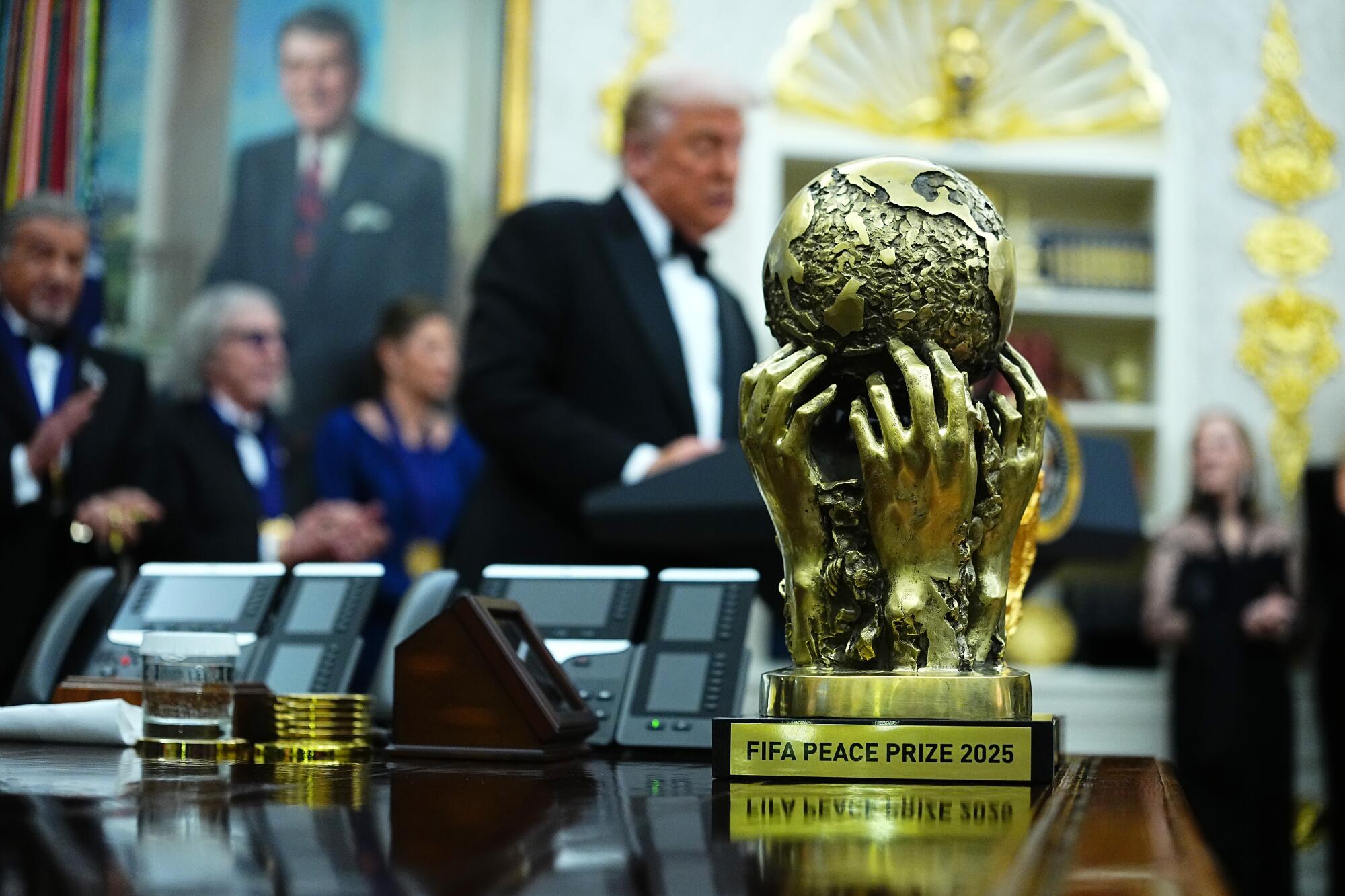
Currently, Iran is slated to play New Zealand and Belgium in Los Angeles, followed by a match against Egypt in Seattle. Their designated tournament base is listed as Tucson, Arizona. Any alteration to this schedule would necessitate a comprehensive logistical recalibration, impacting team travel, accommodation, and fan arrangements. Therefore, the discussions with FIFA are structurally critical for the entire tournament framework.