
A Calibrated Blow to Regional Defense Architecture
The recent precision strike, where Iran destroys US radar infrastructure, represents a significant recalibration of regional defense dynamics. Specifically, a high-value US missile-defense radar system in Jordan was incapacitated during recent engagements. This incident, confirmed by satellite imagery and US officials, fundamentally impacts high-altitude surveillance and fire-control capabilities supporting air and missile defense coverage within the Gulf region. Consequently, this strategic loss could necessitate a rapid re-evaluation of existing defense postures and system interdependencies.
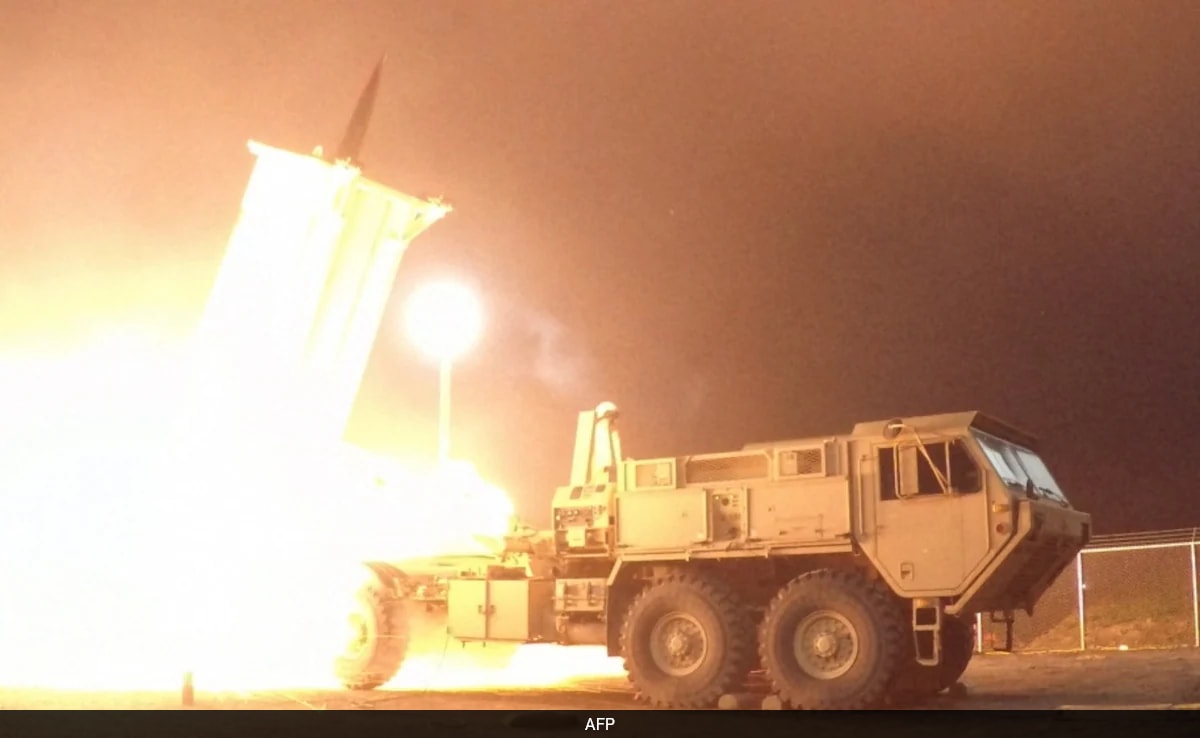
Bloomberg, citing a US official, initially reported Iran’s successful engagement of a radar critical for directing US missile defense operations. Subsequent commercial satellite imagery corroborated this intelligence. The images distinctly showed an RTX Corp. AN/TPY-2 radar and its associated support equipment, integral to US Terminal High Altitude Area Defense (THAAD) systems, rendered inoperable at Muwaffaq Salti Air Base in Jordan. A US official subsequently provided explicit confirmation of this equipment’s destruction.

The Translation: Unpacking the Operational Ramifications
This incident signifies a direct hit on a crucial component of integrated air and missile defense. The AN/TPY-2 radar acts as the “eyes” for the THAAD system, providing essential early warning and tracking data for intercepting ballistic missiles at very high altitudes. Its destruction means a critical layer of defense is now offline. Furthermore, this situation, where Iran destroys US radar capacity, forces a greater reliance on lower-tier defenses, such as Patriot batteries, which are known to have limited stockpiles of PAC-3 interceptor missiles. This shift in dependency introduces inherent vulnerabilities and operational constraints.
The Foundation for Defense of Democracies (FDD) analyzed data indicating two reported Iranian strikes in Jordan, on February 28 and March 3. These were initially described as intercepted. Nevertheless, the confirmed loss of the AN/TPY-2 radar structurally suggests that at least one strike successfully penetrated existing defenses. Ryan Brobst, Deputy Director at the FDD’s Center on Military and Political Power, highlighted the gravity of this event to Bloomberg, stating that a successful strike on a THAAD radar, proving how Iran destroys US radar assets, represents one of Iran’s most effective attacks to date.
The Socio-Economic Impact: Shielding Pakistan’s Future
While this specific incident occurred in Jordan, its broader implications resonate across regional stability, directly impacting Pakistan’s long-term socio-economic trajectory. A weakened regional missile defense posture introduces elevated geopolitical risks. For Pakistani citizens, particularly students and professionals in urban centers, this translates into potential anxieties regarding regional security and its downstream effects on economic investment, trade routes, and resource allocation. Unstable regional dynamics can disrupt energy supplies, inflate commodity prices, and deter foreign direct investment, directly affecting household budgets and the job market.
Conversely, it underscores the imperative for Pakistan to continually calibrate and enhance its indigenous defense capabilities. A robust, self-reliant defense infrastructure acts as a critical stabilizer, ensuring that our nation’s progress remains unhindered by external volatility. Investing in advanced defense systems, fostering local innovation, and training a skilled technical workforce become paramount for safeguarding our national advancement and ensuring consistent system efficiency across all sectors.

The “Forward Path”: A Structural Momentum Shift
This development unequivocally signals a Momentum Shift in regional military dynamics, rather than merely a stabilization move. The successful degradation of advanced missile defense assets, as Iran destroys US radar capabilities, demonstrates a growing capability for precision engagement. This event provides a critical baseline for strategic planners. It necessitates a proactive re-evaluation of air defense strategies, not just for the affected nations, but for all regional actors, including Pakistan.
The implications extend beyond the immediate tactical loss. It highlights the evolving nature of modern warfare, where sophisticated, high-value assets remain vulnerable to determined, precision-guided attacks. Therefore, future defense architectures must integrate multi-layered redundancy and agile response mechanisms. This incident serves as a catalyst for innovation in defense technologies and strategic alliances, propelling us towards more resilient security frameworks.
The Jordan loss is not isolated. Earlier reports indicated damage to an AN/FPS-132 radar in Qatar, an early-warning system for long-range threats. Furthermore, there have been reports of strikes affecting SATCOM terminals in Bahrain. These cumulative incidents underscore a patterned degradation of regional sensor infrastructure, demanding a comprehensive and calibrated response to maintain strategic equilibrium.
Source: Bloomberg