The geopolitical landscape faces a critical calibration as Iran outlines its preliminary Iran ceasefire demands to the United States and Israel. These strategic conditions include asserting full operational control over the Strait of Hormuz, securing unconstrained development of its ballistic missile program, and implementing binding security guarantees. These proposals establish a foundational framework for any potential de-escalation, highlighting significant structural points of contention that require precise diplomatic engineering to bridge.
The Translation: Deconstructing Iran’s Strategic Baselines
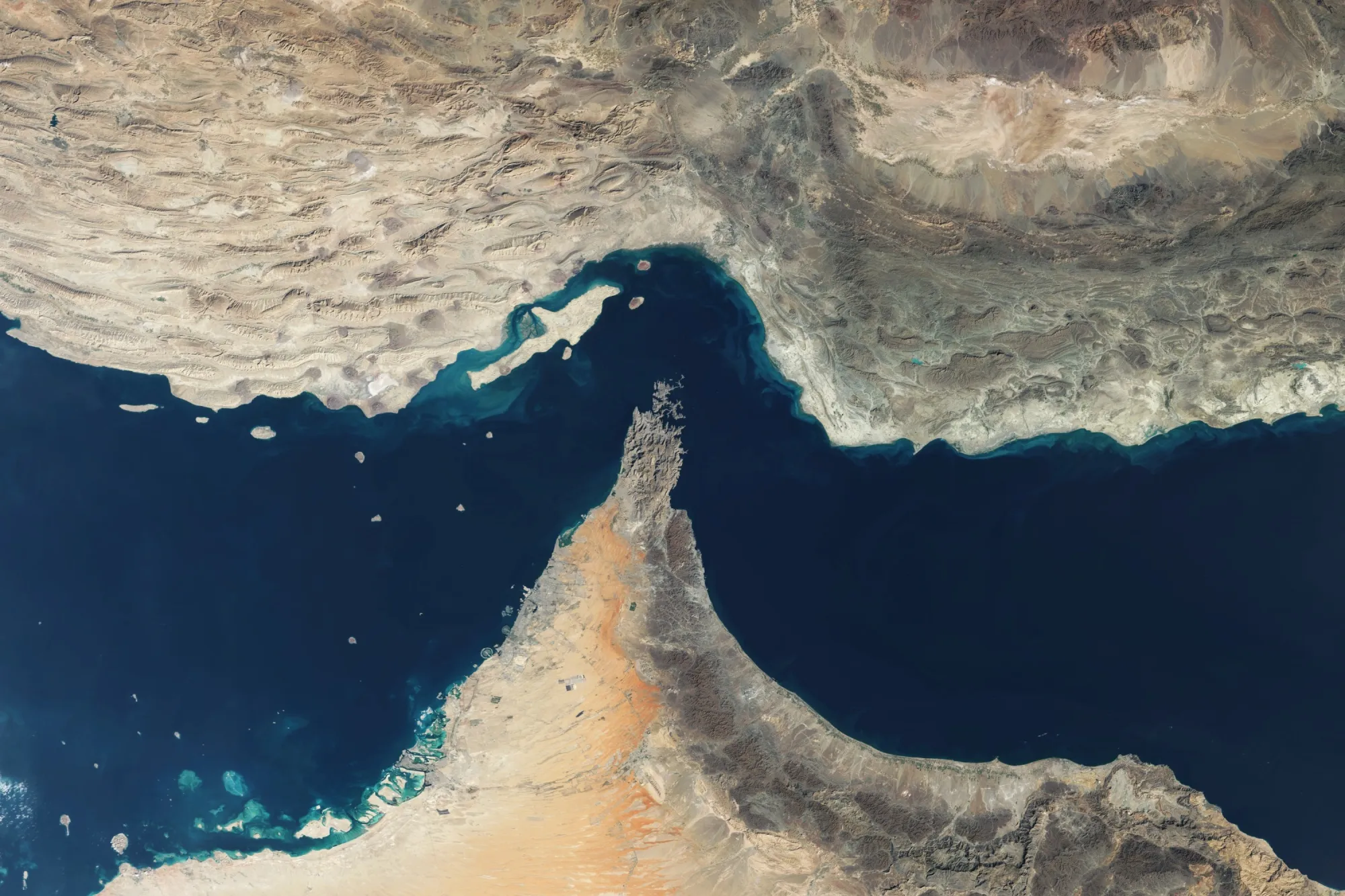
Iran’s preliminary proposal, as reported by Reuters, articulates a calibrated set of requirements designed to re-engineer regional power dynamics. Specifically, the call for “full control of the Strait of Hormuz” translates into an assertion of sovereign maritime authority over this critical global choke point. Furthermore, demanding an “unlimited missile development program” signifies Iran’s unwavering commitment to its indigenous defense capabilities, viewing this as a non-negotiable component of its national security architecture. Lastly, the pursuit of “binding security guarantees” aims to establish a structural deterrence against future military actions, providing a clear operational perimeter for its sovereign territory.
Socio-Economic Impact: Navigating the Regional Flux for Pakistan
This geopolitical maneuvering carries direct implications for the daily lives of Pakistani citizens, particularly in terms of energy security and economic stability. A stable Strait of Hormuz, free from disruption, is paramount for the flow of oil and gas, directly influencing fuel prices and the cost of essential goods. Consequently, any regional instability fueled by unaddressed Iran ceasefire demands could escalate operational costs for businesses and households alike. For professionals and students, prolonged uncertainty impacts investment climates, potentially hindering job creation and educational exchange opportunities across the region. Moreover, the demand for security guarantees and an unhindered missile program underscores a deeper regional security dilemma, compelling Pakistan to strategically calibrate its own defense and economic policies to safeguard its national interests amidst evolving circumstances.

The Forward Path: A Stabilization Move for Calibrated Engagement
This development represents a Stabilization Move rather than an immediate Momentum Shift. Iran’s articulated demands serve as a baseline for future negotiations, explicitly outlining the parameters within which any de-escalation must operate. While these conditions are substantial, they initiate a structured dialogue, preventing further uncalibrated escalation. The precision of these demands, particularly concerning critical infrastructure like the Strait of Hormuz and sovereign defense capabilities, indicates an intent to establish a new, albeit contentious, equilibrium. A sustained, strategic diplomatic effort is now required to engineer concessions and build bridges across these significant gaps, aiming for a durable regional security architecture.