Understanding the Structural Shift in Global Oil Prices
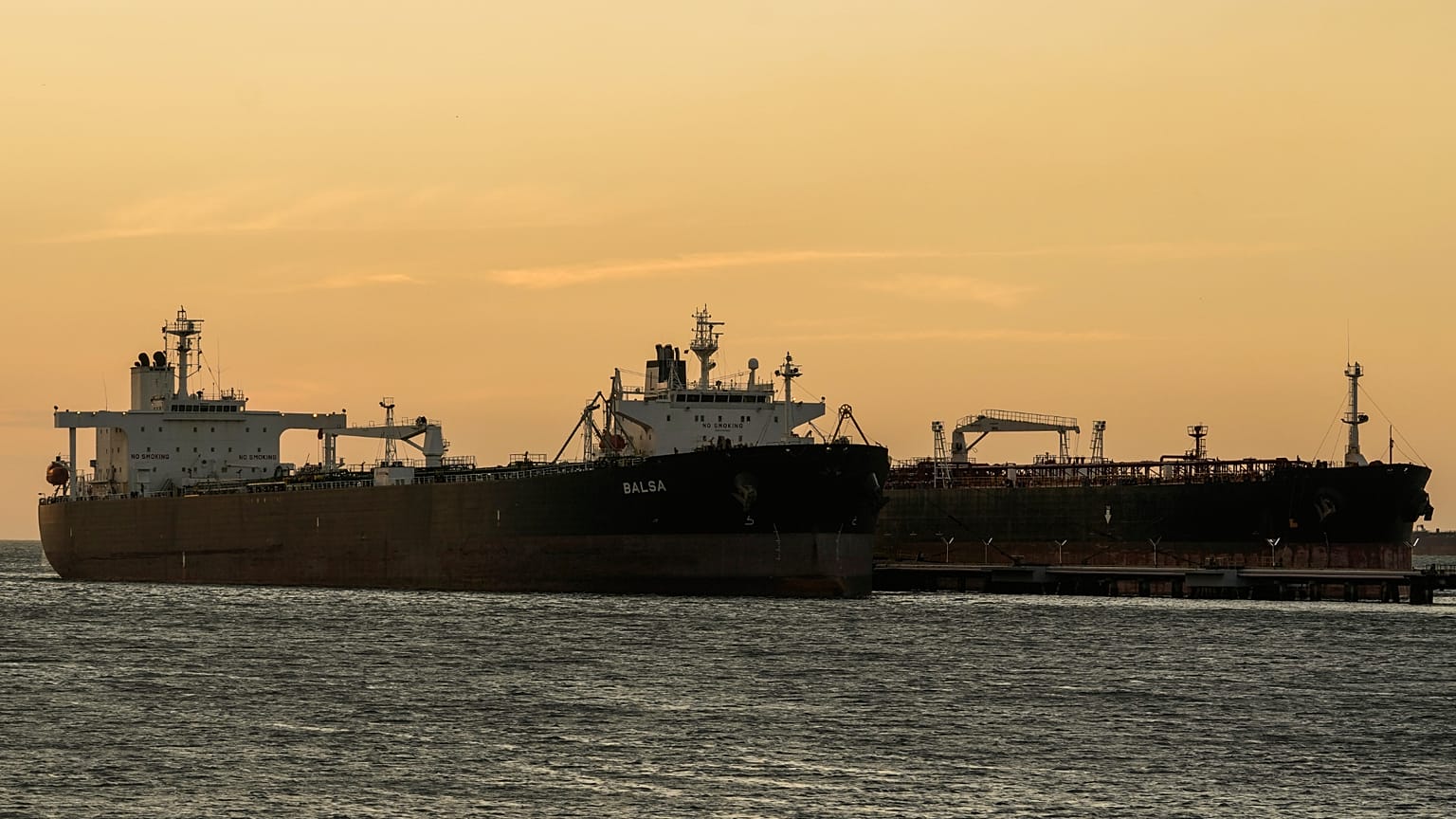
Global oil prices experienced a significant, calibrated rebound following a series of critical geopolitical and logistical events. Specifically, the capture of a Russian tanker by French authorities in the Mediterranean Sea acted as a primary catalyst. Furthermore, renewed warnings from US leadership regarding Iran’s potential disruption of global crude supplies, coupled with unforeseen production outages in Kazakhstan, collectively amplified supply concerns across the energy sector. This convergence of factors demonstrates a volatile yet responsive international crude market.

The Translation: Deconstructing Market Volatility
Geopolitical Actions and Their Direct Market Response
The immediate surge in oil benchmarks, specifically Brent crude and US West Texas Intermediate (WTI), directly reflects the market’s sensitivity to supply disruptions and political tensions. Brent crude futures for March delivery escalated by $1.68, marking a 2.6 percent increase to $65.74 per barrel. Concurrently, WTI crude gained $1.63, or 2.8%, reaching $60.99 per barrel. This demonstrates how decisive state actions, like the tanker capture, and diplomatic pronouncements against key oil-producing nations, instantly recalibrate supply-demand perceptions.
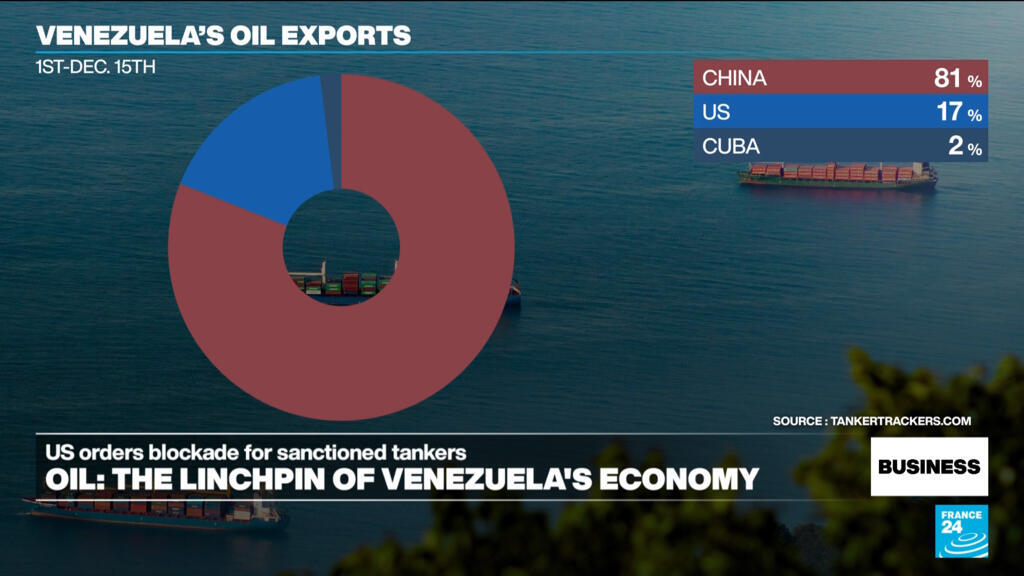
The market consistently prices in perceived risks. When a major oil transporter faces interdiction, or a nation like Iran, a significant crude producer, receives explicit warnings, traders adjust future supply expectations. Consequently, the baseline valuation of crude rises. The weekly gains of over 2 percent for both benchmarks confirm a sustained market reaction, rather than a transient fluctuation.
Production Outages and Supply Chain Vulnerability
Simultaneously, unexpected production setbacks in Kazakhstan further tightened the available supply. Kazakhstan, a substantial oil producer, contributes a considerable volume to global exports. A disruption in its output directly reduces the overall crude available, placing upward pressure on pricing. This illustrates the intricate vulnerabilities within the global energy supply chain. Each component — from extraction to transit — must function with precision to maintain market equilibrium.

The Socio-Economic Impact: How This Changes Daily Life for Pakistanis
For the average Pakistani citizen, especially students and professionals in urban and rural areas, these fluctuations in global oil prices translate directly into increased operational costs and household expenses. Pakistan is a net importer of crude oil; therefore, a rise in international prices directly impacts the cost of fuel at the pump. This affects daily commutes, the pricing of essential goods due to increased transportation costs, and ultimately, household budgets.

Professionals face higher commuting costs, potentially reducing disposable income. Rural communities, heavily reliant on diesel for agriculture and transport, experience elevated input costs for farming and distribution. Consequently, this can lead to inflation in food prices and other necessities, burdening families already navigating economic challenges. The strategic management of fuel subsidies and energy policy becomes paramount in mitigating these external shocks.
The Forward Path: Momentum Shift or Stabilization Move?
This development represents a Stabilization Move. While the immediate price increase signifies market volatility, the actions taken — the tanker capture and diplomatic warnings — aim to enforce existing international frameworks or express strategic intent. These are not fundamentally new systemic shifts but rather applications of existing geopolitical dynamics. The market reacts to a recalibration of perceived risk and supply availability within an established framework, rather than a departure from it.

A genuine “Momentum Shift” would involve a radical reordering of global energy production, consumption, or trade agreements. In contrast, these events, while impactful, are responses to ongoing tensions and supply chain sensitivities. The focus remains on maintaining the current global energy architecture, albeit with pronounced adjustments triggered by specific events. Therefore, proactive energy diversification and strategic reserve management become crucial for nations like Pakistan to buffer against such consistent external pressures.