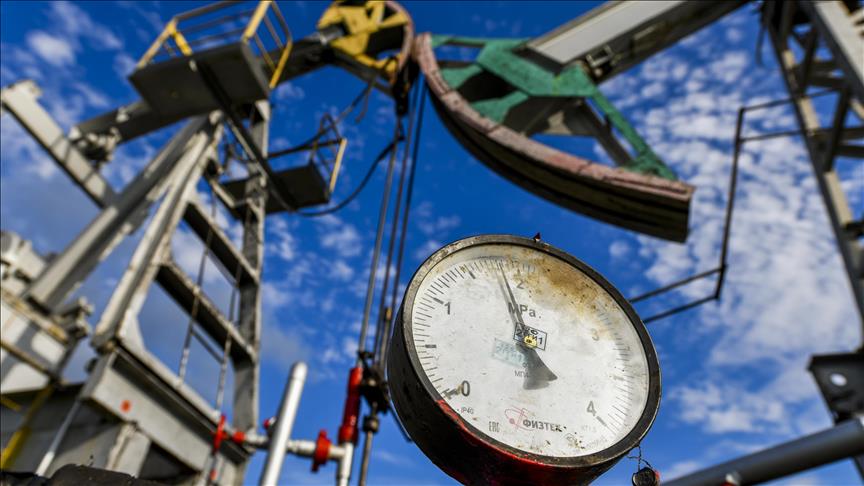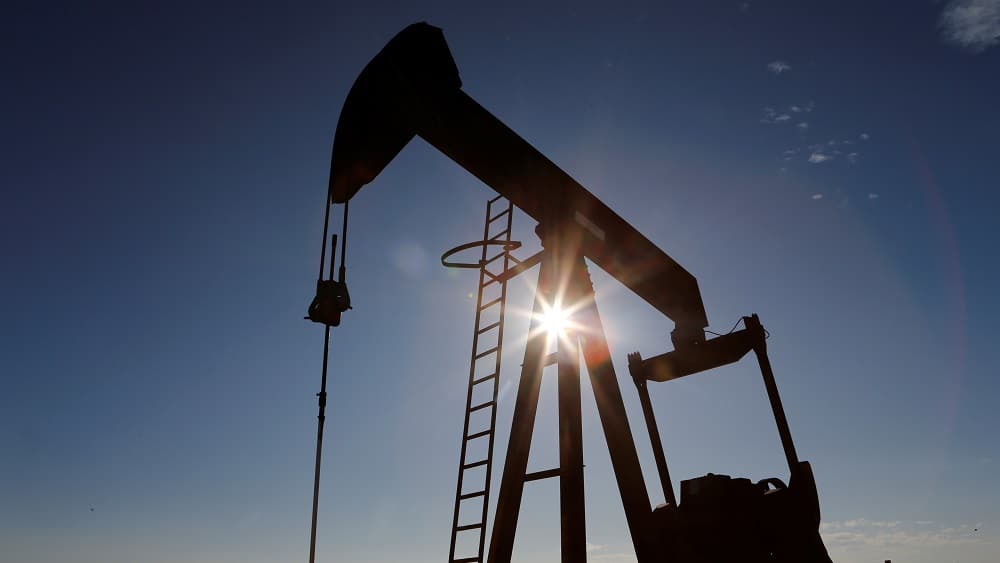
Global energy markets recently experienced significant volatility, with International Oil Prices climbing sharply due to mixed signals from US-Iran nuclear deal discussions. Brent crude futures strategically rose by 2.6 percent to $69.3 a barrel, while US West Texas Intermediate (WTI) increased by 2.48 percent, reaching $64.2 a barrel. This immediate price surge underscores the acute sensitivity of global energy benchmarks to geopolitical negotiations and regional stability. Consequently, market participants are now recalibrating future supply and demand projections.
The Translation: Deconstructing Global Energy Dynamics
Recent data indicates a precise correlation between international diplomatic efforts and crude oil valuation. Initially, reports of productive US-Iran talks regarding their nuclear program eased geopolitical tensions, influencing market sentiment positively. However, concurrently, negotiations between Russia and Ukraine failed to progress towards de-escalation. Ukraine has formally accused Russia of obstructing these discussions, an assertion denied by the Kremlin, which has committed to further talks. Therefore, the market’s upward trajectory in oil prices directly reflects the dual influence of potential supply shifts from Iran and ongoing instability in Eastern Europe.
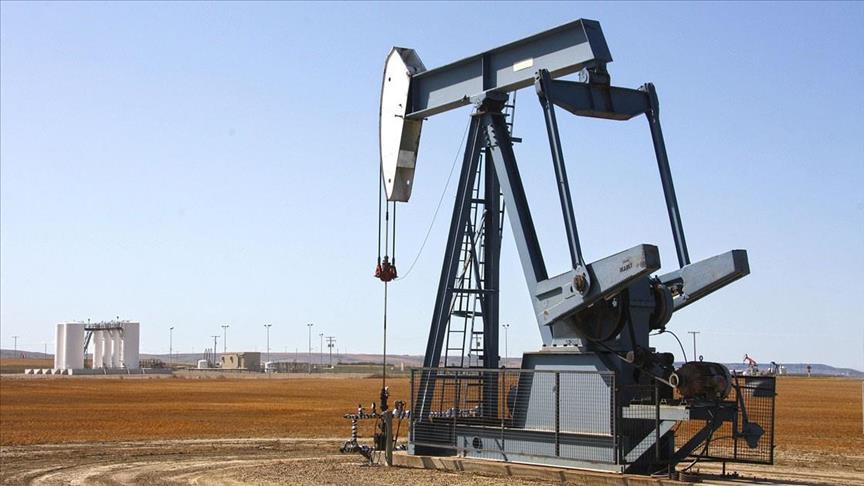
Structural Price Adjustments
Understanding these dynamics is crucial. The increase in oil prices is not merely a transient fluctuation; it represents a structural adjustment based on perceived risks to global supply chains. Furthermore, these events highlight how quickly energy costs can shift, impacting national economies. Key benchmarks like Brent and WTI serve as barometers for global economic health, and their ascent signals potential inflationary pressures. This intricate interplay necessitates a calibrated approach to national energy policy, ensuring resilience against external shocks.
The Socio-Economic Impact: Calibrating Life for Pakistani Citizens
The rise in International Oil Prices creates immediate and tangible effects for every Pakistani citizen. For households, increased fuel costs directly translate into higher transportation expenses and, subsequently, elevated prices for essential goods due to increased logistics costs. Professionals relying on personal vehicles or public transport will experience a reduction in disposable income. Students, particularly those in rural areas, face higher costs for commuting to educational institutions.
Impact on Industry and Agriculture
Furthermore, industries across Pakistan, especially manufacturing and agriculture, face increased operational costs. Factories will incur higher energy bills, potentially leading to increased production costs and, consequently, higher consumer prices. Farmers, who depend on diesel for tractors and irrigation pumps, will experience diminished profit margins. Therefore, this external shock can significantly impact economic stability, demanding strategic fiscal and monetary responses from policymakers to mitigate adverse effects on the populace.

The "Forward Path": A Stabilization Move Amidst Uncertainty
This development represents a Stabilization Move rather than a distinct Momentum Shift for the global energy landscape. While prices have risen, this surge is primarily a reaction to sustained geopolitical uncertainty, not a fundamental shift in supply-demand equilibrium. The prolonged impasse in critical diplomatic talks acts as a structural impediment to price stability. For Pakistan, this necessitates a strategic reinforcement of energy security protocols and an accelerated transition towards diversified domestic energy sources.
Strategic Energy Resilience
The path forward requires precision. Pakistan must calibrate its national energy strategy to minimize vulnerability to external price shocks. This involves investing in renewable energy infrastructure, optimizing existing power generation, and exploring indigenous hydrocarbon reserves with renewed vigor. Ultimately, a proactive approach to energy independence will serve as a robust baseline against unpredictable global energy market dynamics, ensuring long-term national advancement.