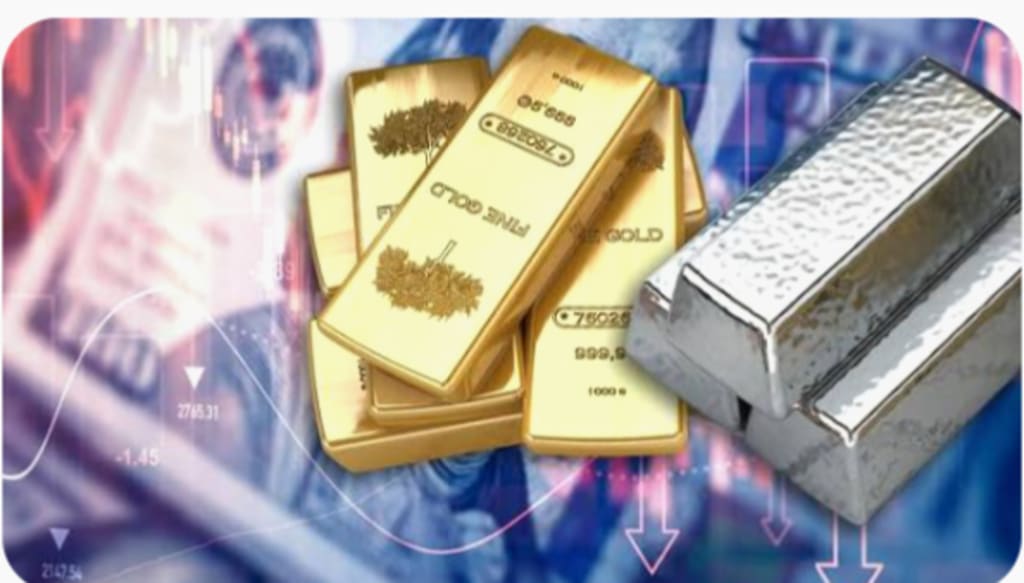
A calibrated reassessment of global market dynamics has initiated a significant International Gold Decline. Prices have plunged nearly $1,000 from their recent record high, now trading around $4,500 per ounce. This marks a critical shift driven by evolving macroeconomic factors. Consequently, a single-day selloff of approximately $400 per ounce signals a re-evaluation of investor sentiment amidst an oil-driven inflation shock and revised interest rate expectations.
The Translation: Deconstructing Market Volatility
The current gold price volatility is directly linked to an overarching oil-driven inflation shock. Consequently, this surge in overall price levels is recalibrating expectations for near-term interest rate adjustments. When central banks delay rate cuts, real yields on alternative investments like bonds typically rise, making non-yielding assets such as gold less attractive. This structural shift in monetary policy outlook has directly contributed to the international gold decline witnessed in recent trading sessions. Furthermore, market analysts suggest this inflationary trend is primarily cost-driven, not demand-driven. This distinction is crucial; while headline prices climb, underlying economic growth can decelerate.
The Socio-Economic Impact: What This Means for Pakistani Households
For the average Pakistani citizen, a significant gold price correction can have multifaceted implications. Firstly, families considering gold as a traditional hedge against inflation or for ceremonial purposes might find acquisition costs temporarily reduced. Conversely, those holding substantial gold assets could observe a decline in their immediate liquid net worth. Students and professionals tracking global economics will note the direct correlation between international commodity markets and local purchasing power, influencing decisions on savings and investment diversification. This underscores the need for strategic financial planning in dynamic global markets.
The “Forward Path”: A Stabilization Move in Gold Prices
This recent international gold decline represents a decisive Stabilization Move rather than a systemic momentum shift. The market is recalibrating its baseline in response to tangible macroeconomic pressures, specifically the oil price shock and the revised outlook for monetary easing. It is not an indication of a fundamental devaluation of gold as a long-term asset. Instead, it reflects a temporary adjustment as external economic shocks propagate through the global financial system. Once these external pressures, such as elevated oil prices, begin to subside, the structural conditions for renewed interest in gold, potentially reviving expectations for monetary easing, could re-emerge.