

In a structural pivot towards national economic resilience, Prime Minister Shehbaz Sharif has strategically tasked the Intelligence Bureau (IB) with rigorous oversight of nationwide government austerity measures. This decisive action aims to optimize fuel conservation across federal entities, directly addressing the fiscal strain imposed by escalating global oil prices. The directive mandates comprehensive audits and weekly reports to ensure precise implementation and impact assessment of these critical economic policies.
🔍 The Translation: Operationalizing Fiscal Prudence
The Cabinet Division of Pakistan formally assigned the IB to execute a comprehensive audit and validation of all fuel conservation and austerity measures. Consequently, the bureau will evaluate the impact of these policies. They will submit weekly reports to the Prime Minister and the government committee tasked with policy oversight. This proactive approach stemmed from a broader austerity program initiated earlier this month, a direct response to rising global energy prices exacerbated by geopolitical tensions.
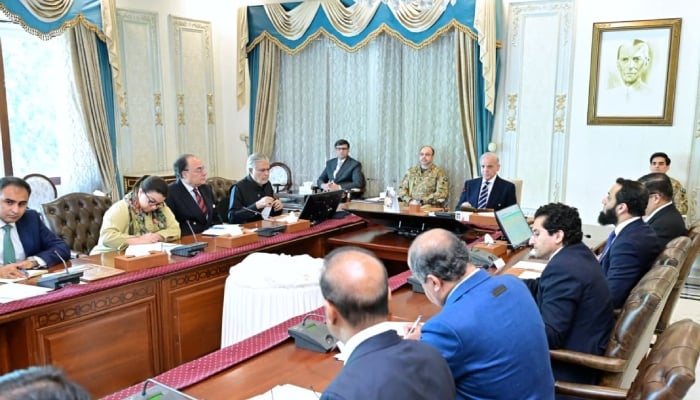
Furthermore, Prime Minister Sharif previously announced a national strategy on March 9th. This plan outlines difficult economic and administrative decisions designed to stabilize the economy. It explicitly requires both federal and provincial governments to adopt strict austerity, reducing non-essential spending and fuel consumption. Key components include cutting expenditures, a four-day official workweek, and limiting non-essential travel.
Significantly, members of the federal cabinet, advisors, and special assistants will forgo their salaries for two months. Similarly, lawmakers face a 25% salary reduction during this period. The IB’s mandate also extends to monitoring compliance within the secretariats of the National Assembly and Senate of Pakistan, ensuring systemic adherence. Authorities confirmed disciplinary action for officials violating these prescribed austerity and fuel conservation protocols.
💻 The Socio-Economic Impact: Calibrating Daily Life
These strategic government austerity measures directly influence the daily life of Pakistani citizens, impacting both professionals and households. For instance, the reduction in the official workweek to four days could reshape commuting patterns and household energy consumption. While potentially offering a slight reduction in personal fuel expenditure, it also necessitates a recalibration of productivity metrics within government sectors. Urban professionals, particularly, might experience ripple effects in public services as administrative operations adjust to revised schedules.

Furthermore, the salary reductions for elected officials and cabinet members project a powerful signal of shared national responsibility. This move, however, might not directly alleviate the financial burden on average households grappling with inflation and elevated fuel costs. For students, the broader economic stabilization sought through these measures is crucial for long-term educational and career prospects. Rural populations, heavily reliant on transport for goods and services, could indirectly benefit from any eventual stabilization in fuel prices, although initial impacts might involve adjustments to logistical timelines.
🚀 The “Forward Path”: A Stabilization Move
This development represents a Stabilization Move rather than a sudden Momentum Shift. The deployment of the Intelligence Bureau underscores a disciplined, centralized effort to enforce existing policies and prevent fiscal drift. While essential for immediate economic containment, this strategy primarily aims to maintain baseline stability amidst external pressures. The precise monitoring mechanisms are critical for ensuring accountability and resource optimization, preventing systemic inefficiencies from exacerbating the energy crisis. However, sustained national advancement will require parallel initiatives focused on long-term energy independence and diversified economic growth beyond immediate austerity. This is a foundational step, not a transformative leap.









