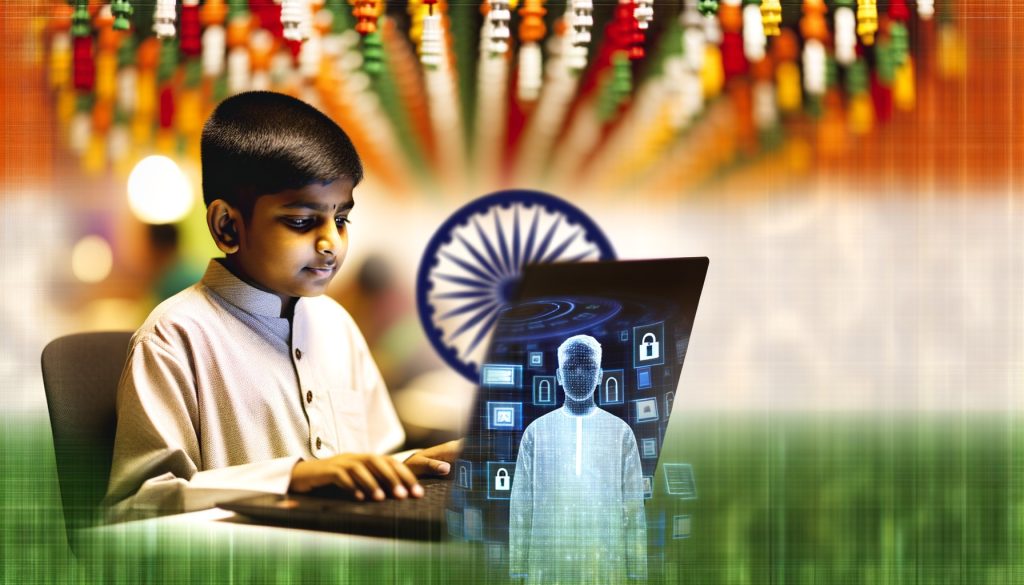
Architecting Digital Safeguards: India’s Child Social Media Ban
A pivotal policy shift is underway in India, as the southern state of Karnataka, a global tech hub, initiates a child social media ban for individuals under 16. This decisive action positions Karnataka as the first Indian state to implement such a rigorous digital age restriction. Consequently, this development underscores a calibrated global movement addressing escalating concerns over youth digital addiction and unrestricted online exposure. This policy aims to establish a new baseline for digital governance, prioritizing the welfare of the nation’s youth in an increasingly interconnected world.
The Translation: Deconstructing the Policy Mandate
Karnataka Chief Minister Siddaramaiah announced this unprecedented restriction during his annual budget speech. This measure directly targets the pervasive negative impacts of excessive mobile phone engagement on children, aligning with an emerging international consensus. For instance, Australia recently imposed a similar nationwide prohibition for minors, while the United Kingdom, Denmark, and Greece are actively studying comparable legislative frameworks. This structural alignment across nations suggests a collective re-evaluation of digital autonomy for younger demographics, indicating a global strategic pivot towards enhanced youth protection. This move sets a precedent for child social media policy across the region.

India, notably the world’s second-largest smartphone market with approximately 750 million devices and nearly a billion internet users, is critically impacted by such policies. Furthermore, major platforms like Meta consider India their largest user base, highlighting the immense scale of digital penetration. Although the precise implementation date for Karnataka’s restrictions remains unspecified, the announcement itself serves as a powerful catalyst for national discourse. Neighboring states, including Goa and Andhra Pradesh, are already evaluating similar prohibitions, indicating a potential cascading effect across the subcontinent. India’s chief economic adviser has also advocated for national age-based access limits, emphasizing a systemic approach to digital well-being.
The Socio-Economic Impact: Recalibrating Daily Life
This significant digital governance decision fundamentally alters the digital landscape for citizens, particularly for students and households. For urban families, where internet access is ubiquitous, parents gain a new tool to manage screen time, potentially improving academic focus and reducing exposure to harmful content. In contrast, rural households, with often less regulated access, might experience a more profound, albeit challenging, adjustment. The policy aims to foster healthier developmental trajectories for children, redirecting their engagement towards education, physical activity, and interpersonal interaction. Ultimately, this structural intervention seeks to mitigate the long-term societal costs associated with digital addiction, thereby improving national productivity baselines. Such measures are crucial for youth digital well-being.

Academically, a reduction in social media consumption could lead to improved concentration and performance among students. Professionally, a generation less prone to digital distraction could exhibit enhanced problem-solving skills and innovation. However, a segment of technology experts and activists express reservations. They argue that strict age-based prohibitions may prove ineffective, as children often circumvent such restrictions using fabricated credentials. Consequently, these voices advocate for an emphasis on comprehensive digital literacy education for both parents and children, promoting responsible usage rather than outright prohibition. This debate underscores the complexity of balancing protective measures with individual digital autonomy.
The “Forward Path”: A Strategic Momentum Shift for Child Social Media Ban Policy
This development represents a Momentum Shift for India’s digital governance framework. Karnataka’s pioneering child social media ban establishes a robust precedent for national advancement in digital ethics and youth protection. While implementation challenges and debates surrounding efficacy persist, the proactive stance signifies a structural commitment to safeguarding future generations from unchecked digital exposure. This initiative provides a critical baseline for other developing nations, including Pakistan, to consider when formulating their own digital welfare strategies. It is a strategic move, signaling a commitment to not merely adapt to technological change, but to calibrate its societal integration responsibly.

Challenges and Future Calibrations
The successful implementation of this ban will hinge on robust enforcement mechanisms and parallel educational initiatives. Without a concurrent strategy for digital literacy, the prohibition risks becoming a mere stabilization move rather than a true momentum shift. Furthermore, continuous calibration based on empirical data regarding its impact on youth development and digital engagement will be essential. This proactive legislative framework, therefore, requires complementary structural investments in public awareness and educational programs to truly achieve its intended impact and ensure a digitally responsible populace. This strategic imperative focuses on long-term societal gains through age-based online limits.