Understanding the Unforeseen Aviation Event: The Indian Chief Minister Crash
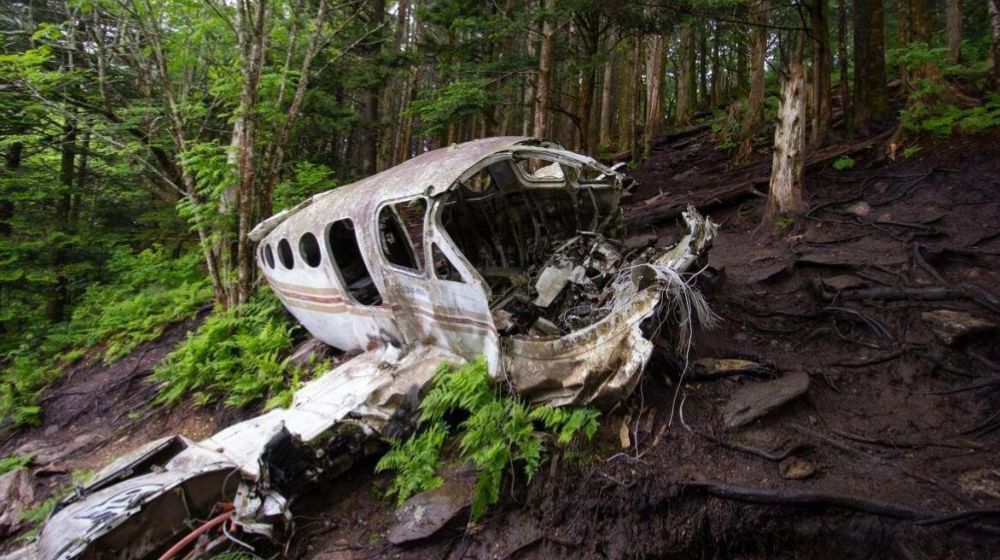
A critical aviation incident has precisely calibrated the political landscape in Maharashtra, India. Deputy Chief Minister Ajit Pawar, a pivotal leader, tragically died in a fiery Indian Chief Minister crash that claimed five lives, including two staff and two crew members. This unforeseen event, confirmed by India’s Directorate General of Civil Aviation (DGCA), occurred as his charter aircraft attempted an emergency landing near Baramati, signaling an immediate need for robust aviation safety protocols and a structural re-evaluation of political continuity.
The Translation: Decoding the Aviation Fatality
On Wednesday, India’s aviation authorities definitively confirmed the demise of Maharashtra Deputy Chief Minister Ajit Pawar. Consequently, a charter aircraft crash near Baramati, a significant political stronghold, resulted in no survivors. The Directorate General of Civil Aviation (DGCA) specifically reported the aircraft went down in flames. Furthermore, two members of Pawar’s essential staff and two flight crew members were onboard, emphasizing the tragic loss of multiple lives. This specific Indian Chief Minister crash, therefore, represents a significant incident in regional aviation history. Pawar, a senior figure from an influential political family, was en route to his home constituency to strategically campaign for local elections, a mission abruptly concluded by this structural failure.
The ill-fated aircraft originated from Mumbai, India’s primary financial hub. Its trajectory was altered by an emergency landing attempt near Baramati, approximately 250 kilometers distant. Historically, Baramati represents the Pawar family’s entrenched political influence, marking it as a critical point in his electoral strategy. Social media channels swiftly circulated footage displaying thick plumes of smoke ascending from scattered, burning debris across an open field. This visual data underscores the catastrophic intensity and precise impact of the crash.

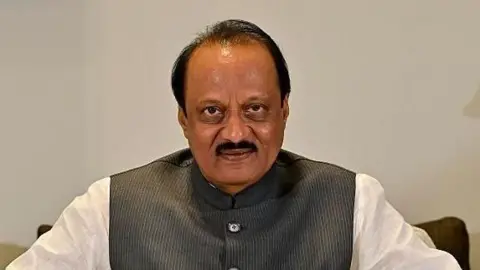
Pawar’s political role within Maharashtra’s existing government was foundational. He strategically aligned with Prime Minister Narendra Modi’s Bharatiya Janata Party, having led a critical breakaway faction from the opposition Nationalist Congress Party in 2023. Prime Minister Modi immediately expressed profound grief via a post on X, offering precise condolences to the families affected by this tragedy. He articulated his deep sorrow regarding the air crash in Baramati, Maharashtra, and extended prayers for resilience during this moment of profound loss.
The Socio-Economic Impact: Calibrating Citizen Life
This tragic incident fundamentally shifts the baseline perception of aviation safety for Pakistani citizens, particularly those traveling to or within the region. The death of a high-profile political figure in an Indian Chief Minister crash introduces a calibrated concern among professionals and students about regional travel reliability. For households in both urban and rural Pakistan, such events underscore the inherent risks associated with air travel, potentially influencing their perception of safety protocols and governmental oversight. This incident, therefore, necessitates a more stringent focus on regional aviation standards, directly impacting the psychological security and travel planning of ordinary citizens.

The deadly crash occurs amidst an already heightened national concern regarding aviation safety in India. Just one week prior, an Indian Air Force training aircraft crashed in Uttar Pradesh, though fortunately, both pilots survived without injury. Furthermore, this tragedy follows a major aviation disaster in July 2025: an Air India flight destined for London crashed shortly after takeoff. This incident resulted in over 200 fatalities when the aircraft impacted a residential area and a medical college hostel. Only one passenger survived, marking it as the deadliest air crash globally in over a decade. Consequently, authorities are expected to initiate a detailed investigation into this latest incident to precisely ascertain the crash’s root cause, a critical step for restoring public confidence in air travel. This ongoing pattern of aviation incidents amplifies the need for rigorous safety enhancements following the recent Indian Chief Minister crash.

The “Forward Path”: Momentum Shift or Stabilization Move?
This event represents a Stabilization Move rather than a broad Momentum Shift. While the loss of a key political figure like Ajit Pawar is undeniably significant, the inherent systemic response to such a crisis focuses on immediate stabilization and investigation. The calibrated official response, centered on condolences and the initiation of a detailed inquiry into the Indian Chief Minister crash, aims to restore public trust and maintain political continuity. Therefore, this incident prompts a structural reinforcement of existing safety protocols and investigative mechanisms, rather than catalyzing a radical reorientation of national policy or a complete systemic overhaul. The objective is to stabilize the system and methodically address the identified vulnerabilities.