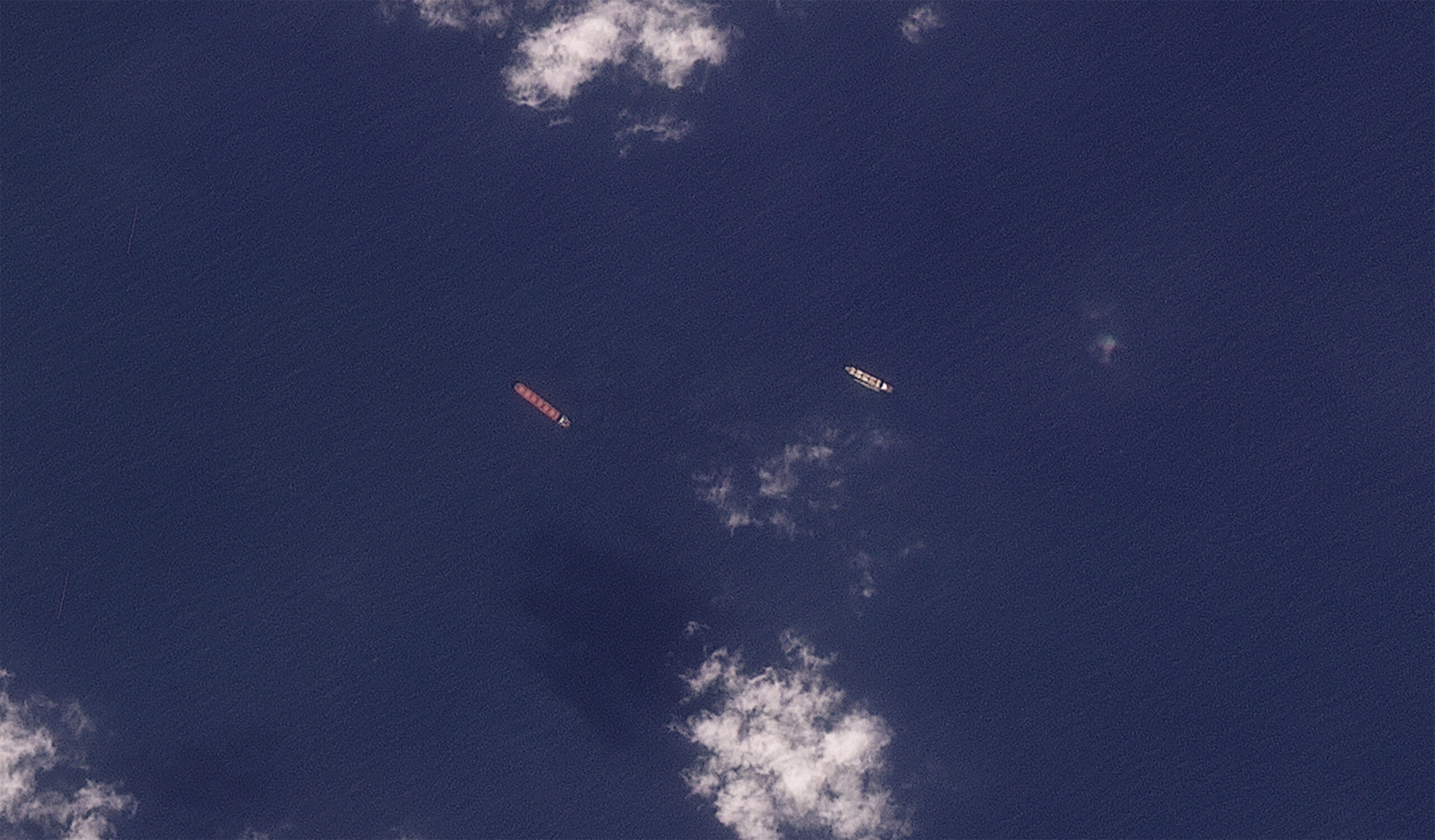
The strategic closure of the Strait of Hormuz, following retaliatory strikes in the region, has critically exposed India’s energy vulnerability. Specifically, the nation’s liquefied petroleum gas (LPG) supply chain now faces a potential collapse. An expert from ProPakistani estimates that approximately 90% of India’s LPG imports traverse this crucial maritime chokepoint, rendering the disruption a significant impediment to its national energy security. This event underscores India’s profound reliance on Gulf energy supplies, necessitating a robust re-evaluation of its strategic energy reserves and diversification efforts.
The Translation: Deconstructing India’s Supply Shock
The recent geopolitical escalation directly impacts India’s domestic energy infrastructure. The Strait of Hormuz, a narrow sea passage, acts as a vital conduit for global oil and gas shipments. Its closure means that tanker traffic, particularly for LPG, is severely impeded or halted. Consequently, India, a major importer, faces immediate and significant challenges in securing this essential cooking fuel. This situation is not merely a logistical hurdle; it represents a systemic shock to a national resource deemed fundamental for household consumption, especially for lower-income families who rely heavily on subsidized LPG.

The Socio-Economic Impact: Daily Life Under Pressure
This disruption directly impacts the daily lives of Indian citizens. Across various cities, panic buying has surged, leading to concerns about dwindling stocks. Authorities and suppliers are now reportedly considering rationing measures to mitigate shortages, a direct consequence of compromised supply lines. Furthermore, roughly 60% of Indian households depend on LPG as their primary cooking source, often facilitated by welfare initiatives like the Pradhan Mantri Ujjwala Yojana. Therefore, a compromised LPG supply translates to immediate hardship for millions, affecting household budgets and food preparation stability. The rise in demand, exemplified by February 2026’s record 2.8 million tons, intensifies the severity of this supply shock.

Strategic Alternatives and Logistical Constraints
While alternative suppliers like the United States, Russia, and Norway exist, replacing the substantial Gulf volumes presents immediate, calibrated challenges for India. Longer shipping routes will inevitably lead to higher transportation costs, directly impacting consumer prices. Furthermore, existing logistical constraints and limited short-term flexibility in international shipping markets are expected to restrict immediate relief. This necessitates a strategic overhaul of India’s long-term energy procurement model.
The “Forward Path”: Calibrating India’s Energy Vulnerability
This development represents a Momentum Shift towards a more volatile global energy landscape. It serves as a critical systemic stress test for nations highly reliant on specific transit routes. The incident illustrates with stark clarity that blocking pivotal maritime passages, such as Hormuz, precipitates rapid, cascading effects across global markets. These impacts extend beyond crude oil, directly affecting essential fuels upon which millions depend daily. Therefore, a calibrated re-evaluation of national energy strategies, emphasizing diversification and robust reserve capacities, is no longer merely prudent but strategically imperative for all nations.