Pakistan faces a pivotal economic directive from the International Monetary Fund (IMF), which urges the immediate implementation of fuel price hikes to consumers. This structural adjustment, designed to avert subsidies on petrol and diesel, represents a calibrated response to escalating global energy costs and supply chain disruptions. The IMF also emphasizes meeting a critical revenue target for the petroleum development levy, aiming to stabilize the nation’s fiscal baseline.
The Translation: Deconstructing IMF’s Directive on Fuel Prices
The International Monetary Fund (IMF) has precisely communicated its expectation: Pakistan must directly transfer the increasing cost of petroleum products to consumers. This imperative means the government should cease offering subsidies on both petrol and diesel. Fundamentally, this directive aims to ensure market-reflective pricing, promoting fiscal responsibility and reducing the burden on the national exchequer.
Furthermore, the IMF has set a clear benchmark for revenue collection. Pakistan is tasked with collecting Rs. 1.468 trillion through the petroleum development levy by June 30. Reports confirm that Rs. 822 billion has already been secured between July and December, exceeding 60% of the annual target. This collection is a strategic component of the broader economic reform agenda.

Socio-Economic Impact: Calibrating Daily Life for Pakistani Citizens
The immediate consequence of these fuel price hikes will directly affect the daily operational costs for every Pakistani citizen. Households and professionals will experience increased transportation expenses, necessitating careful budget recalibration. Students utilizing public or private transport for education will also face elevated costs.
Adapting to the New Economic Baseline
To mitigate this impact, the government is strategically evaluating several energy consumption reduction measures. These include:
- Shifting educational institutions (schools, colleges) to online learning models initially.
- Adopting flexible or smart working arrangements for universities and government offices.
- Implementing fixed operating hours for shops and markets.
- Encouraging restaurants and grocery stores to expand delivery services, thereby limiting individual fuel usage.
Such adjustments aim to preserve essential services while minimizing the collective national fuel demand, a crucial aspect of the national fuel-saving plan. The long-term objective is to foster more sustainable energy consumption patterns across urban and rural Pakistan, enhancing system efficiency.
The Forward Path: A Strategic Stabilization Move
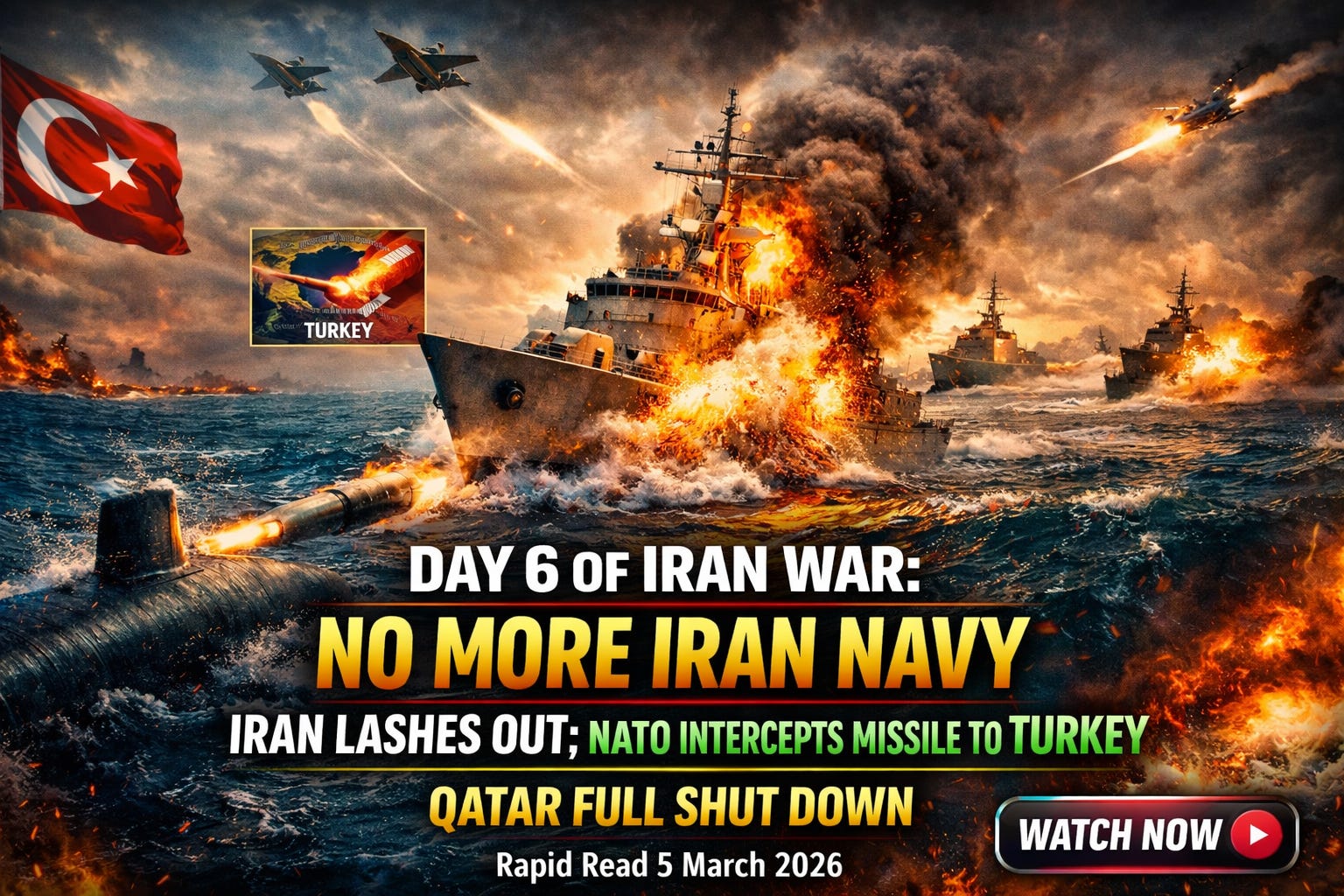
This development represents a Stabilization Move rather than a Momentum Shift. While necessary for fiscal health and adherence to international commitments, the immediate fuel price hikes are a defensive action against external economic pressures. The global energy markets remain volatile, impacted significantly by geopolitical tensions, notably shipping disruptions through the Strait of Hormuz. Approximately one-fifth of the world’s seaborne crude oil navigates this critical waterway.
The proposed fuel conservation measures, including potential work-from-home arrangements, are structural adjustments to manage demand during supply disruptions. A detailed implementation strategy for a national fuel-saving plan is pending, indicating a reactive, albeit necessary, approach to secure the nation’s energy future. Precision in policy execution will be paramount to navigate these complex challenges effectively.