A strategic recalibration of fiscal policy has demonstrably bolstered Pakistan’s economic stability, with the International Monetary Fund (IMF) affirming significant improvements. Ahead of its pivotal review mission, the IMF highlights robust fiscal performance and a landmark current account surplus, signaling a calibrated trajectory towards sustainable growth. Consequently, this crucial assessment, scheduled for February 25, will validate the nation’s adherence to reform commitments and macroeconomic stabilization.
The Translation: Deciphering Pakistan’s Fiscal Trajectory
The International Monetary Fund (IMF) has formally acknowledged Pakistan’s calibrated economic progress. Specifically, recent policy adjustments have systematically stabilized key economic indicators. Furthermore, an IMF delegation will arrive on February 25 to conduct the third review under the Extended Fund Facility (EFF) and the second under the Resilience and Sustainability Facility. This visit will precisely assess Pakistan’s advancement on reform commitments and macroeconomic benchmarks.
A Strategic Fiscal Overhaul
Julie Kozack, IMF Director of Communications, explicitly stated that policies enacted under the EFF have been instrumental in achieving economic stabilization. She confirmed Pakistan’s strong fiscal performance in fiscal year 2025, reaching a primary fiscal surplus of 1.3 percent of GDP. This outcome aligns directly with program targets, underscoring enhanced fiscal discipline and optimized revenue management. Additionally, the IMF noted controlled inflation during this period, which structurally supports overall economic equilibrium.
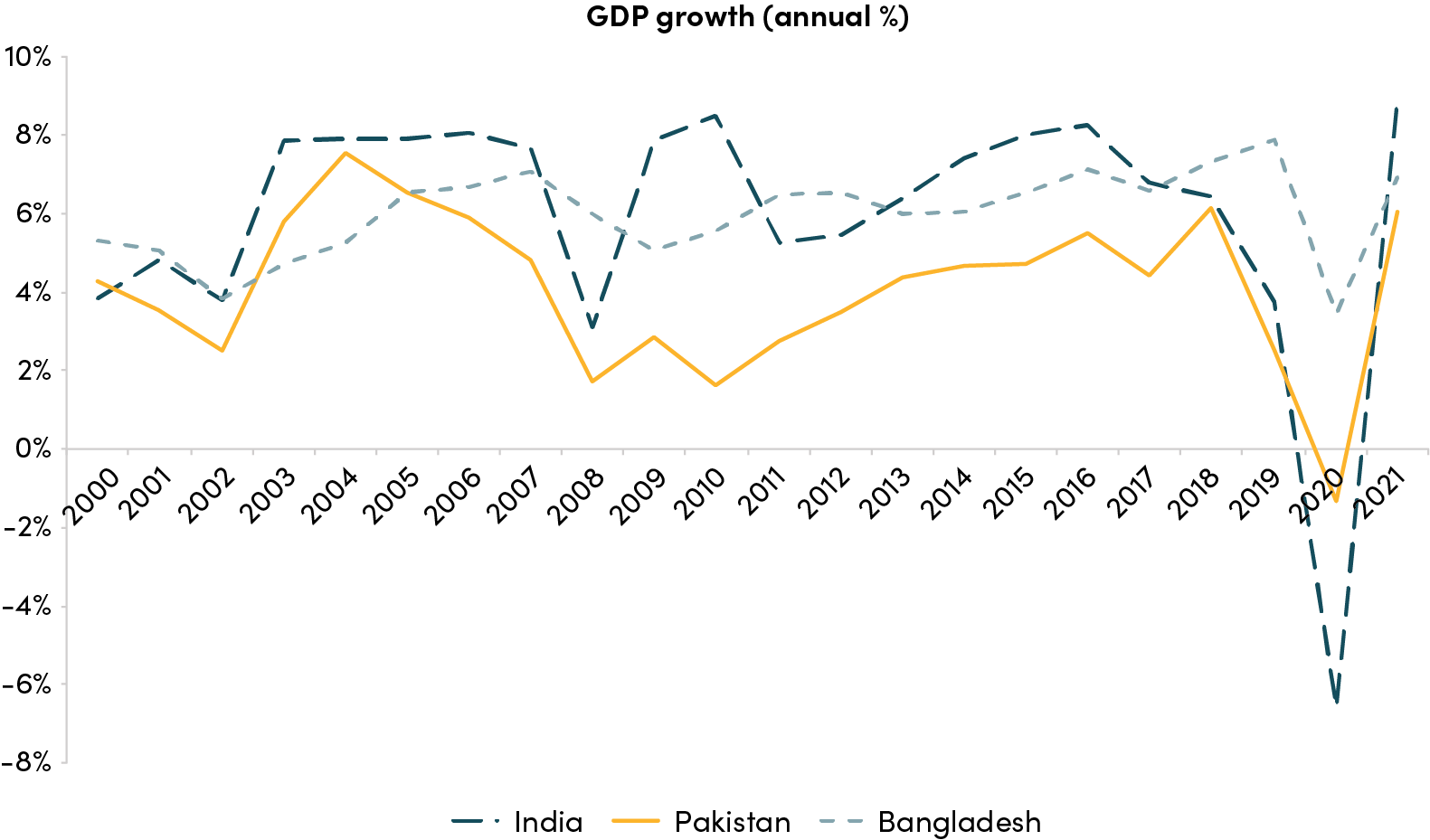
Moreover, Pakistan registered a current account surplus in fiscal year 2025. This achievement marks the first instance in 14 years, consequently signaling a critical improvement in external balances. The impending review represents a key milestone for Pakistan. Continued adherence to IMF programs remains a vital catalyst for sustaining investor confidence and reinforcing the current economic recovery momentum.
Socio-Economic Impact: Calibrating Daily Life for Pakistani Citizens
The tangible improvements in Pakistan’s economic stability directly influence the daily lives of its citizens. For instance, the primary fiscal surplus means the government possesses greater financial latitude. This allows for potential strategic investments in social services or infrastructure development, benefiting urban and rural households alike. Consequently, students may see improved educational facilities, while professionals could experience enhanced employment prospects from a more robust economy.
Revitalizing Households and Enterprises
A controlled inflation environment translates into predictable pricing for essential goods, thereby safeguarding household purchasing power. This stability is particularly crucial for low-income families. Furthermore, the current account surplus strengthens the national currency, potentially reducing import costs for businesses. This provides enterprises with a more predictable operational landscape. Ultimately, these structural adjustments foster a baseline for improved financial planning and economic security across all segments of Pakistani society.
The Forward Path: Sustaining Momentum for National Advancement
This development unequivocally represents a Momentum Shift for Pakistan. The nation is demonstrating a strategic capacity to meet and exceed international financial benchmarks. Such disciplined fiscal management is not merely about compliance; it is about building a robust, resilient economic foundation. This strategic progress positions Pakistan favorably on the global economic stage, attracting crucial foreign direct investment and fostering indigenous innovation.
Securing Investment and Growth
The upcoming IMF review will provide a critical validation point. A positive assessment will further solidify investor confidence, potentially unlocking new avenues for growth and job creation. Therefore, maintaining this trajectory of fiscal prudence and structural reform is paramount. It will ensure Pakistan’s economic advancement continues to gather pace, translating into long-term prosperity and systemic efficiency for the entire nation.