
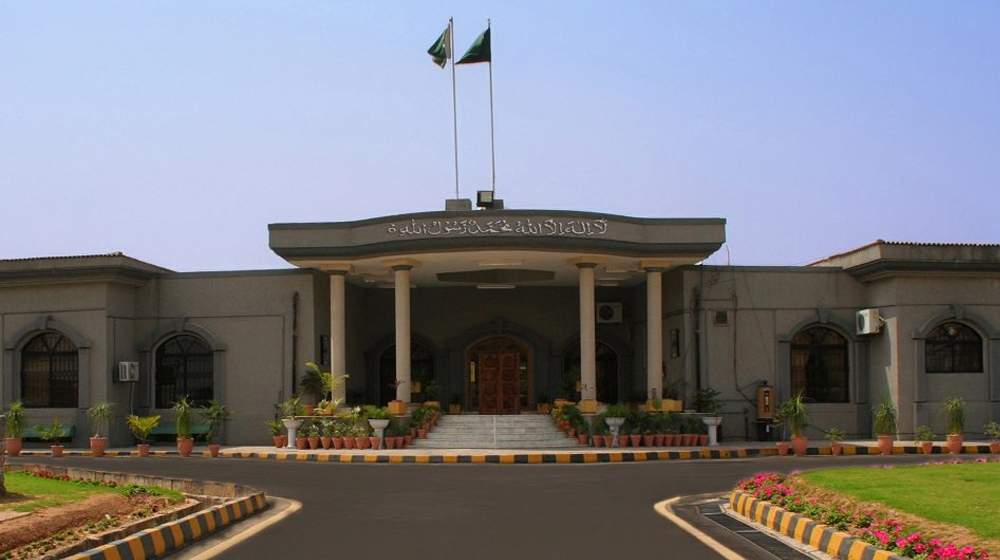
The Islamabad High Court (IHC) has issued a landmark judgment, fundamentally restructuring women’s financial rights in Pakistan. This pivotal ruling mandates a full dowry return after divorce, reinforcing that dowry items and bridal gifts remain the wife’s exclusive property. Furthermore, the court has directed significant legal reforms, including essential amendments to the Nikahnama, to ensure equitable division of marital assets and strengthen women’s economic autonomy. This strategic move aims to calibrate legal frameworks with principles of fairness and gender equality.
Precision in Justice: Mandating Dowry Return After Divorce
Justice Mohsin Akhtar Kayani, in a comprehensive 28-page judgment, unequivocally ruled that husbands must return the entire dowry to their wives upon divorce. This declaration explicitly states that all dowry items and bridal gifts constitute the wife’s exclusive property. Consequently, if physical return is impractical, the husband is legally obliged to provide their equivalent monetary value. This structural clarification aims to reduce disputes and streamline divorce proceedings, ensuring that women’s contributions and individual assets are legally safeguarded.
The Translation: Clarifying Spousal Asset Ownership
This ruling translates into a critical shift in how marital property is perceived and managed within the legal system. Previously, ambiguities often led to wives struggling to reclaim their dowry and shared assets. Now, the judgment clarifies that a wife’s dowry is unequivocally her possession, not a conditional gift or joint property. This structural clarification aims to reduce disputes and streamline divorce proceedings, ensuring that women’s contributions and individual assets are legally safeguarded.
The Socio-Economic Impact: Empowering Pakistani Women
This judicial directive will significantly impact Pakistani citizens, particularly women in both urban and rural settings. For students, understanding these rights empowers them with knowledge about their future financial security in marriage. Professionals can now enter marital contracts with greater confidence regarding asset protection. Households will experience a more balanced approach to marital finances, as the ruling counters potential economic vulnerability for women post-divorce. This measure acts as a catalyst for economic stability for Pakistani women.
Structural Reforms: Amending the Nikahnama for Equity
Beyond individual cases, the IHC has issued critical policy recommendations to the government, advocating for systemic reforms. The court has directed authorities to legislate, explicitly defining women’s ownership and financial rights within marriage. Crucially, it recommends amendments to the Nikahnama, or marriage contract, to integrate provisions granting wives a share in assets acquired during marriage. Column 18 of the Nikahnama, emphasizing informed consent, is highlighted as a mechanism for women to secure their financial rights at the point of marriage. Moreover, the court urges integrating education on marital rights into school and university curricula, ensuring future generations are fully aware of their legal entitlements.
Justice Kayani meticulously cited Islamic principles, Quranic injunctions, and international legal precedents to substantiate that women’s financial rights are deeply rooted in both religious and legal frameworks. This comprehensive analysis underpins the judgment’s robust legal foundation.
The Forward Path: A Momentum Shift for Legal Frameworks
This judgment signifies a definitive momentum shift in Pakistan’s legal landscape concerning women’s financial autonomy, particularly regarding dowry return after divorce. It moves beyond mere symbolic gestures, demanding effective enforcement mechanisms to protect these rights structurally. The IHC’s emphasis on legal reforms, Nikahnama amendments, and public education represents a calibrated, multi-faceted approach to achieve a fairer and more equitable society. Lawmakers are now strategically tasked with prioritizing reforms to ensure these protections are robustly implemented across the nation, propelling Pakistan towards enhanced gender equity.








