

A contempt petition has been strategically filed before the Islamabad High Court (IHC) against the Capital Development Authority (CDA). This action addresses the alleged violation of a crucial court order, which explicitly imposed a CDA tree cutting ban for a road expansion project in Islamabad. This critical legal challenge underscores the judicial system’s calibrated intervention to safeguard the federal capital’s environmental integrity against infrastructure development.
The Translation: Clarifying the Judicial Intervention
The Islamabad High Court recently became the focal point of a significant environmental and legal dispute. Specifically, a contempt petition has been initiated against the CDA Chairman. This formal legal document alleges a direct defiance of a clear court directive. This directive, issued on January 15, 2026, unequivocally prohibited the CDA from cutting trees across the federal capital until further judicial notice. Consequently, this petition seeks to enforce judicial authority and protect Islamabad’s vital green cover.
Furthermore, the core of the petition centers on large-scale tree removal within ecologically sensitive zones, including Shakarparian. Petitioners contend that such actions directly impinge upon citizens’ fundamental right to a clean and healthy environment. Despite the explicit stay order, the CDA reportedly commenced work on the Ataturk Avenue expansion project, stretching from D-Chowk to Ayub Chowk. This infrastructure initiative regrettably includes the removal and “transplantation” of mature trees situated along the designated road alignment.
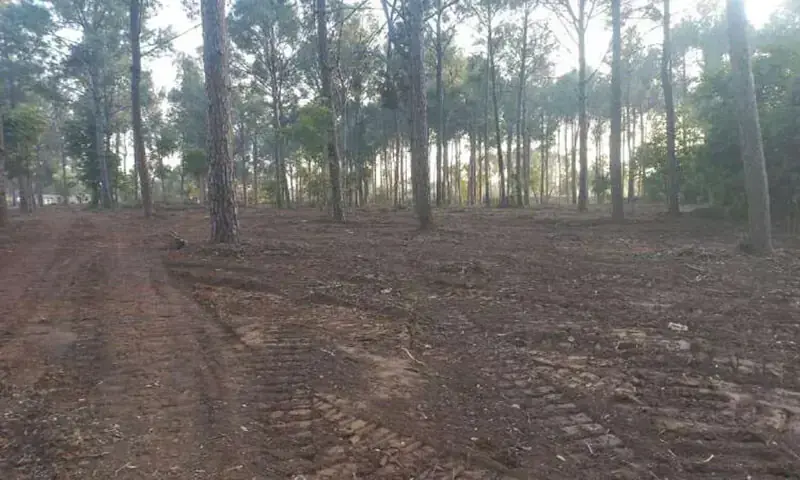
Moreover, a report published in Dawn confirmed that CDA officials acknowledged the uprooting of several trees, with further removals planned. The petition asserts that rebranding this activity as “transplantation” does not circumvent the court’s original prohibition. Uprooting mature urban trees frequently results in their destruction, causing irreparable environmental damage. Therefore, this action falls squarely within the scope of the court’s prohibition on CDA tree cutting ban activities.
The Socio-Economic Impact: Safeguarding Citizen Welfare
This judicial intervention profoundly impacts the daily lives of Pakistani citizens, particularly those residing in urban centers like Islamabad. The strategic removal of mature trees in densely populated areas directly compromises air quality, exacerbating respiratory health issues for households and professionals. Furthermore, the loss of green spaces diminishes vital recreational zones, affecting students’ access to nature and overall community well-being. Ultimately, unchecked deforestation, despite the clear CDA tree cutting ban, contributes to localized climate change effects, such as increased urban heat island phenomena, impacting every resident.
Consequently, the alleged disregard for judicial directives not only threatens environmental stability but also undermines the structural integrity of the rule of law. When governmental bodies are perceived to bypass court orders, it creates a dangerous precedent. This situation could lead to a less predictable regulatory environment, affecting future urban development projects and discouraging responsible corporate citizenship. Hence, the court’s enforcement role becomes a catalyst for maintaining societal order and accountability.
The Forward Path: A Stabilization Move for Environmental Governance
This development represents a Stabilization Move rather than a dramatic Momentum Shift. While the challenge against alleged environmental violations is crucial, it primarily seeks to uphold existing legal frameworks and ensure compliance. It reinforces the baseline expectation that all entities, including governmental authorities, must operate within established judicial boundaries. The petition precisely targets accountability, requesting the court to initiate contempt proceedings, summon officials, and halt ongoing work. Furthermore, it demands remedial and accountability measures, aiming to prevent irreversible environmental damage and maintain the efficacy of pending legal actions.
In conclusion, the petitioner, Muhammad Naveed Ahmad, through counsel Mudassir Latif Abbasi, Advocate, articulates serious concerns among environmental advocates. This legal action strategically highlights the critical need for compliance with court orders and the preservation of Islamabad’s shrinking green cover. This incident serves as a disciplined reminder that infrastructure progress must be calibrated with stringent environmental protection and unwavering respect for judicial authority. It is a structural step towards more responsible and sustainable urban planning for Next Generation Pakistan.








