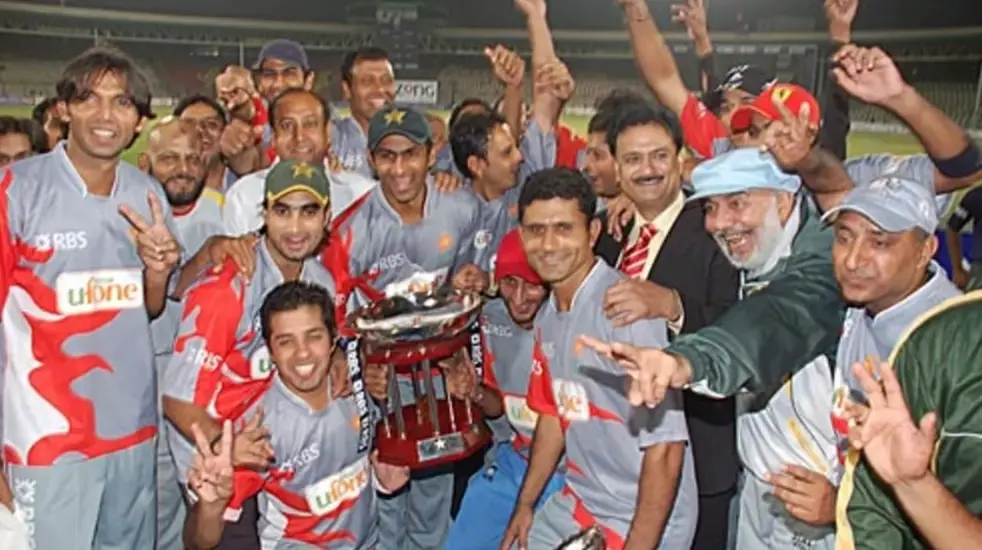
Architectural Openings: Deconstructing Pakistan’s T20 Loss
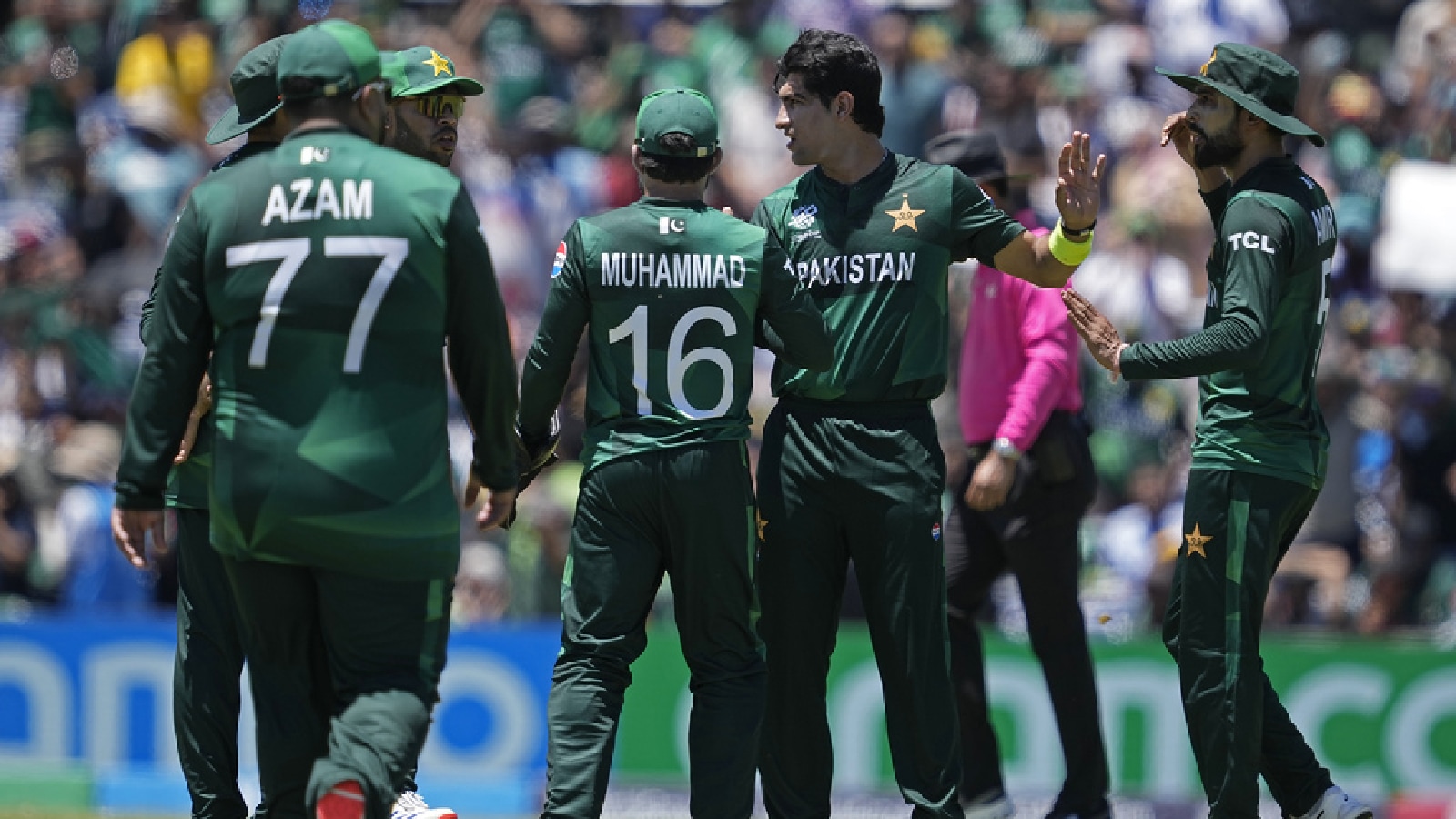
A precise post-mortem reveals calibrated critiques from middle-order batter Iftikhar Ahmed, who structurally holds fast bowler Haris Rauf responsible for Pakistan’s T20 loss against India in the ICC Men’s T20 World Cup 2022. This critical assessment, emerging from a recent podcast, underscores Iftikhar’s conviction that strategic bowling missteps in the decisive 18th over directly altered the match trajectory and denied him a potential "Man of the Match" accolade. The incident highlights the minute margins that define high-stakes athletic competition and the imperative for precise execution under pressure, prompting a deeper tactical evaluation.
The Translation: Calibrating On-Field Directives into Public Discourse
Iftikhar Ahmed’s assertion translates a nuanced on-field directive into a public critique of tactical execution. Specifically, his repeated instruction to Haris Rauf to "Bowl a yorker" during the critical final overs of the match against India was a direct command for a precision delivery. A yorker, fundamentally, is a ball bowled at the batsman’s feet, engineered to minimize scoring opportunities and secure wickets, particularly under immense pressure. Consequently, Iftikhar’s frustration stems from Rauf’s deviation from this calibrated strategy, opting instead for a different approach that proved costly.

The 18th Over: A Critical Point in our Pakistan T20 Loss Analysis
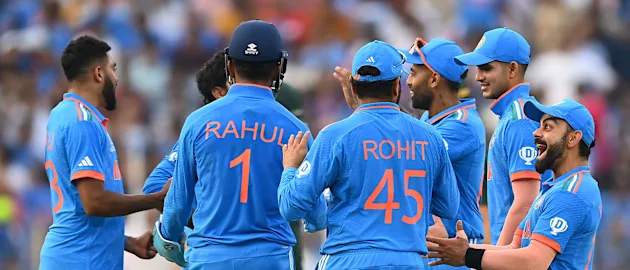
This strategic divergence occurred when India required 31 runs from the last 12 balls. Haris Rauf initiated the 18th over with commendable efficiency, conceding only three runs from the first four deliveries. However, the subsequent two balls, both dispatched for towering sixes by Virat Kohli, shifted the match momentum decisively. This sequence left India needing a more manageable 16 runs off the final six balls, a testament to the acute impact of those specific deliveries. The logic dictates that adhering to a consistent, pre-determined bowling plan, especially a yorker strategy, could have significantly altered the outcome and mitigated the Pakistan T20 loss.
The Socio-Economic Impact: Reverberations Beyond the Boundary
While a cricket match might seem distant from daily socio-economic realities, such high-profile sporting outcomes, including the recent Pakistan T20 loss, carry tangible psychological and economic undercurrents for Pakistani citizens. For students and aspiring athletes, these moments underscore the critical importance of precision, discipline, and teamwork—principles transferable to academic and professional pursuits. A visible lapse in execution, particularly when attributed to individual decision-making, can inadvertently highlight the broader societal need for accountability and adherence to strategic plans within any sector.
National Sentiment and Systemic Performance
Furthermore, national sporting performance, particularly against rivals, often catalyzes collective national sentiment. A victory can boost morale, fostering a sense of shared accomplishment and resilience, which can subtly influence productivity and community spirit. Conversely, a loss, especially one perceived as preventable, can generate frustration, underscoring the collective desire for optimal performance across all national endeavors. Therefore, this incident serves as a microcosm, reflecting the broader societal aspiration for strategic excellence and operational consistency that benefits urban professionals striving for project success and rural households seeking improved infrastructure and services.
The Forward Path: Structural Review as a Catalyst for Momentum Shift
This incident, while rooted in a past sporting event, represents a Momentum Shift opportunity rather than a mere Stabilization Move. The candid public discourse, initiated by Iftikhar Ahmed, serves as a catalyst for a more rigorous, data-driven post-mortem within Pakistan’s cricketing system. It necessitates a structural review of player autonomy versus pre-defined tactical mandates during high-pressure scenarios.
Calibrating Future Performance Trajectories
Moving forward, the emphasis must be on establishing clearer communication protocols and ensuring that individual brilliance aligns seamlessly with overall team strategy. This analytical approach, fostering an environment of transparent feedback and continuous improvement, will calibrate future performance trajectories and reinforce a culture of collective responsibility. Such precision in operational assessment is crucial for sustained national advancement in sports and beyond.