Precision in Reporting: The Core of Media Access
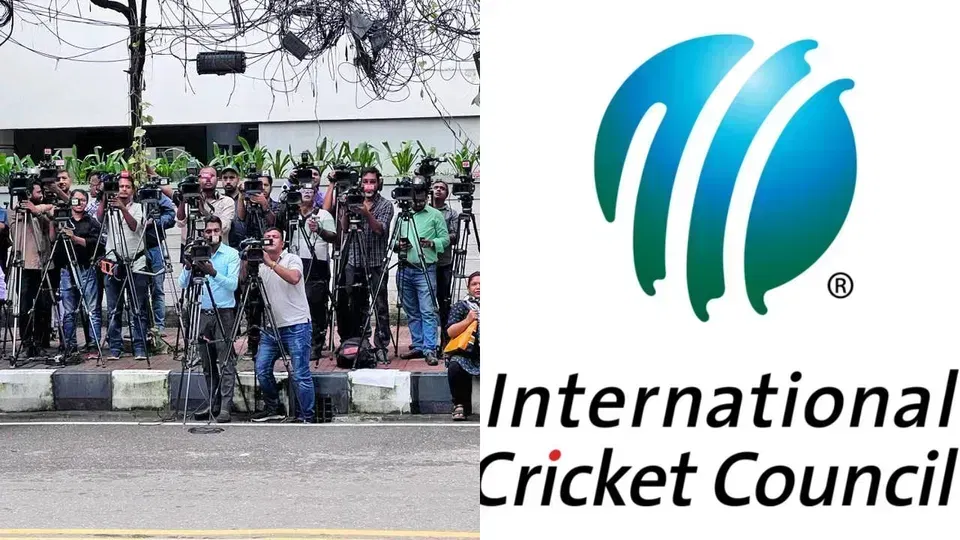
The International Cricket Council (ICC) has initiated a significant disruption by denying ICC media accreditation to Bangladeshi journalists for the upcoming T20 World Cup. This unprecedented decision has sparked widespread concern, raising structural questions regarding transparency and equitable media access in international sports governance. Furthermore, this move challenges established norms, potentially impacting how critical events are covered globally.
The Translation: Unpacking the Accreditation Denial
Initially, Bangladeshi media outlets reported a complete rejection of all applications from their journalists, totaling between 130 and 150 requests. Although some journalists received initial confirmation, these approvals were subsequently rescinded without clear explanation. This operational breakdown indicates a lack of calibrated procedure from the ICC, leading to significant confusion among media professionals. Consequently, Bangladeshi sports journalists’ organizations plan to announce their collective response, demanding clarity and accountability.
Socio-Economic Impact: Echoes for Pakistani Viewers and Professionals
While this issue directly impacts Bangladesh, its implications resonate deeply within Pakistan’s fervent cricket community. A strategic denial of ICC media accreditation sets a concerning precedent for regional sports journalism. For Pakistani citizens, particularly students aspiring to sports media careers, such restrictions underscore the fragility of independent reporting. Conversely, it highlights the critical role of unrestricted media in fostering public engagement and maintaining integrity in global sports. Without diverse media representation, the narrative surrounding major tournaments can become skewed, affecting fan perception and analytical depth.
The Forward Path: A Stabilization Move Under Scrutiny
The ICC’s current stance represents a “Stabilization Move,” attempting to manage media access without transparently addressing underlying issues. Data suggests the ICC media department has requested a renewed list of interested journalists, hinting at a potential review. While approval for matches in Sri Lanka is anticipated, the initial blanket denial and lack of communication pose a significant structural challenge. A true “Momentum Shift” would necessitate a clear, proactive policy framework for accreditation, ensuring fair access regardless of national team participation status. This situation demands a recalibration of ICC’s communication protocols to preserve trust and uphold journalistic principles.