Optimizing Athlete Welfare: Analyzing the Hussain Talat Injury Incident
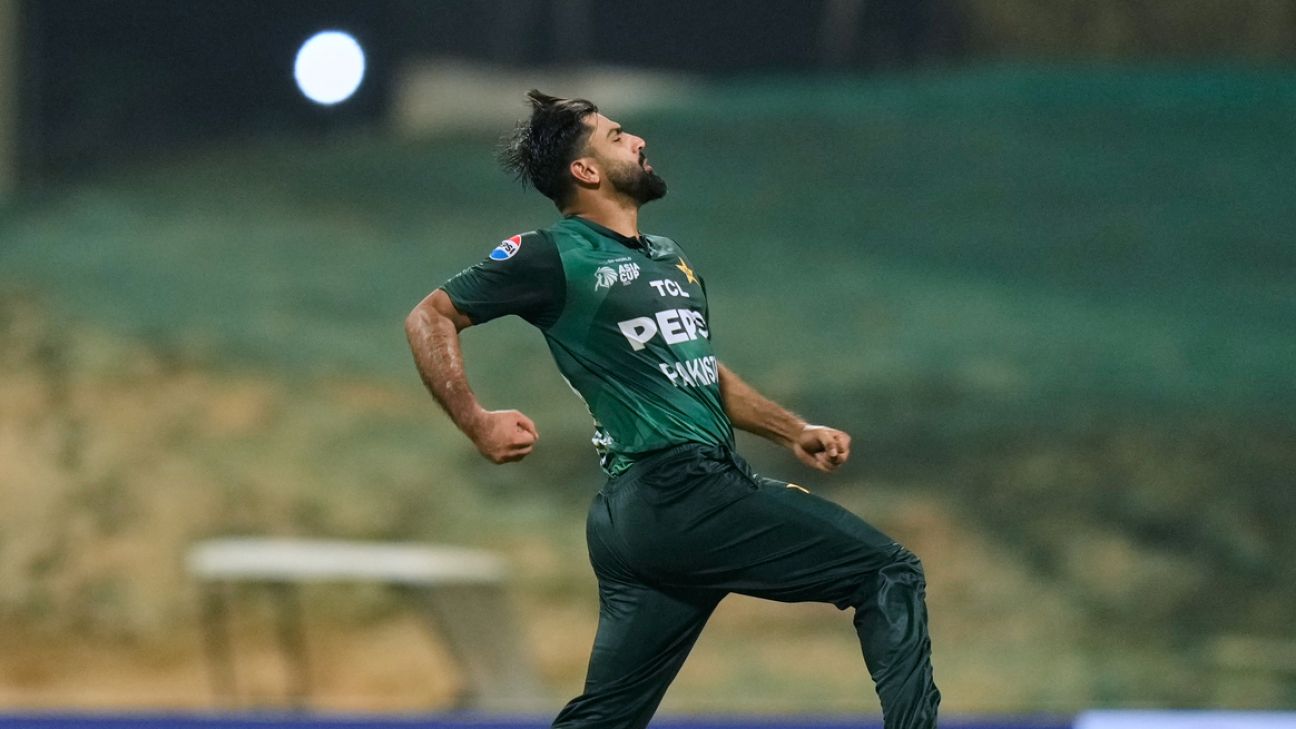
The strategic advancement of national sports programs mandates rigorous attention to athlete safety and medical response protocols. A recent incident during the second One Day International (ODI) against Bangladesh in Dhaka precisely highlighted this imperative, as Pakistan’s all-rounder, Hussain Talat, sustained a significant injury to his left shoulder. This event, occurring while attempting to prevent a boundary, initiated immediate medical assessment and subsequently led to his hospitalization, underscoring the critical need for calibrated emergency procedures in high-stakes athletic environments.
The Translation: Deconstructing the On-Field Event
During Bangladesh’s sixth over chase, a powerful drive by Litton Das compelled Talat into a rapid pursuit toward the cover boundary. His calibrated sprint was unexpectedly compromised by misjudged footing upon the boundary foam, culminating in an awkward impact with the advertising boards. This mechanical failure resulted in a heavy landing, directly impacting his left shoulder. An “all-rounder” in cricket, such as Talat, is a player proficient in both batting and bowling, making any severe injury particularly impactful on team dynamics. The prompt response by team medical personnel and the immediate dispatch to a hospital for a “detailed assessment” exemplify established athlete welfare protocols.
Socio-Economic Impact: Precision in Player Care for National Morale
The well-being of national athletes, particularly those representing Pakistan on the international stage, transcends individual health; it directly influences national morale and the aspirational pathways for young Pakistanis in sports. An incident like the Hussain Talat injury necessitates public transparency regarding player care, reassuring families and aspiring professionals about the systematic support available. For students and professionals across urban and rural Pakistan, this event serves as a tangible reminder of the physical demands of elite sports and the evolving standards for athlete protection and recovery, potentially fostering greater investment in sports medicine infrastructure nationwide. Consequently, robust medical interventions for athletes become a baseline expectation for maintaining player careers and securing future talent pipelines.
The Forward Path: A Stabilization Move for Enhanced Protocols
This incident represents a “Stabilization Move” rather than a “Momentum Shift” for Pakistan cricket. While any athlete injury is a setback, the swift, documented response by the Pakistan Cricket Board (PCB) and team medical staff indicates a pre-existing, functional emergency protocol. Furthermore, such occurrences provide invaluable data points for continuous process improvement. The PCB’s official update, confirming immediate on-field treatment and subsequent hospitalization for detailed examination, demonstrates a commitment to precise diagnostic and recovery pathways. Future strategic adjustments might involve re-evaluating boundary safety measures or refining rapid response unit deployment, ensuring an even higher calibration of athlete protection moving forward.