
Calibrated Conservation: A Strategic Approach to Wildlife Management
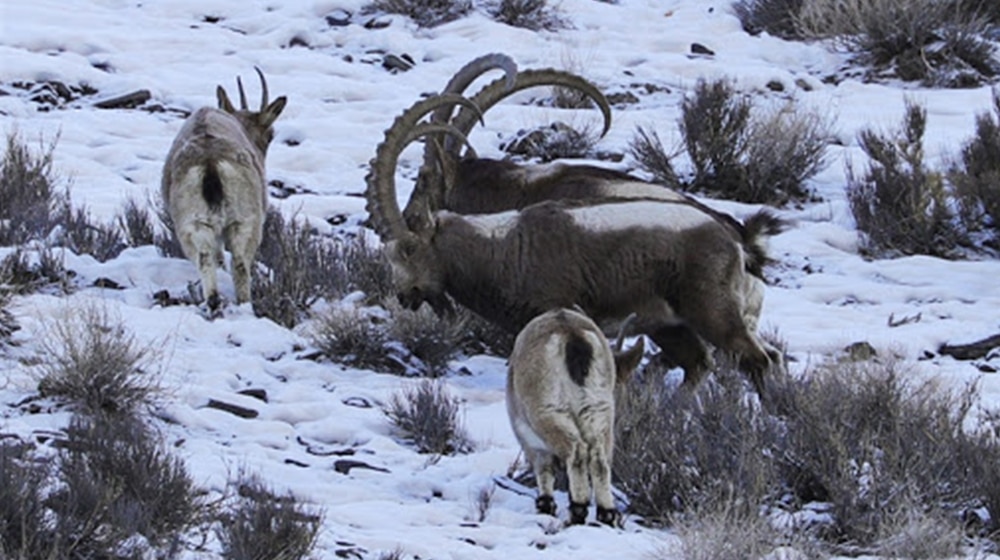
National advancement hinges on precise resource management, and the recent, meticulously supervised Himalayan Ibex hunt in Upper Chitral exemplifies this principle. Wildlife authorities confirmed a local hunter, Jamil Ahmad, conducted the hunt in strict compliance with established regulations. This event highlights Pakistan’s calibrated approach to wildlife conservation, ensuring both ecological balance and community benefits, thereby establishing a structural baseline for sustainable practices.
The Translation: Understanding Regulated Wildlife Harvest
This controlled hunting initiative is not merely about a successful hunt; consequently, it represents a crucial component of scientific wildlife management. The Wildlife Department explicitly stated that Jamil Ahmad carried out the procedure according to precise regulations, underscoring the legal framework governing such activities. Furthermore, officials verified the ibex possessed impressive horns, approximately 40 inches in length, indicating a mature animal suitable for harvest within the species’ population dynamics. Authorities added that the animal was harvested from a strategic distance of about 160 meters, under constant official monitoring, strictly adhering to the region’s established trophy hunting procedures. This meticulous oversight ensures ethical standards and data collection for population health assessments.

The Socio-Economic Impact: Benefits for Local Communities
How does this change the daily life of a Pakistani citizen, particularly in urban and rural areas? Primarily, regulated trophy hunting programs, such as the Himalayan Ibex hunt in Chitral, generate substantial revenue. Consequently, a significant portion of these funds is directly reinvested into local communities. This influx of capital supports critical infrastructure projects, including schools, health clinics, and clean water initiatives, directly improving the quality of life for families and enhancing opportunities for students. Moreover, these programs foster a sense of ownership and responsibility among local populations towards wildlife conservation, transforming them into active stewards of their natural heritage. Professionals in the region also benefit from employment opportunities in wildlife management, eco-tourism, and related services, establishing a diversified economic base.

The Forward Path: Sustaining Pakistan’s Natural Heritage
This development fundamentally represents a Momentum Shift rather than a mere Stabilization Move. The strategic implementation of controlled trophy hunting for species like the Himalayan Ibex provides a robust model for sustainable wildlife resource utilization. It moves beyond passive protection to active, economically viable conservation. This approach calibrates human interaction with wildlife, transforming potential conflicts into symbiotic relationships that benefit both nature and the populace. Our nation’s long-term ecological stability and economic prosperity are structurally dependent on such forward-thinking initiatives. Therefore, continued strategic investment in these programs will further solidify Pakistan’s position as a leader in innovative conservation practices, ensuring a vibrant natural legacy for future generations.









