Strategic public health frameworks are critical to safeguarding national well-being. Consequently, implementing robust Nipah virus prevention protocols is paramount, especially given the disease’s high fatality rate and lack of specific treatment. This proactive approach, anchored in heightened public awareness and stringent safety measures, establishes a foundational defense against potential outbreaks, thereby protecting communities and stabilizing healthcare infrastructure across Pakistan.
Calibrated Strategies for Nipah Virus Prevention
The World Health Organization (WHO) classifies Nipah virus as a zoonotic disease, underscoring its transmission from animals to humans, and subsequently, through close human contact. This structural characteristic mandates precise and early intervention through comprehensive hygiene practices. Moreover, understanding these transmission vectors is the baseline for effective containment, ensuring that initial infections do not escalate into wider community crises.
The Translation: Decoding Zoonotic Threat
At its core, Nipah virus represents a critical intersection of animal and human health. The term “zoonotic” signifies its origin in animal populations, predominantly fruit bats, which can transmit the virus to other animals like pigs, and then to humans. Furthermore, human-to-human transmission occurs through direct contact with an infected person’s bodily fluids. Consequently, the logic behind prevention is clear: break the chain of transmission at every possible point, from environmental exposure to close personal contact.
Socio-Economic Impact: Fortifying Daily Life
The implications of Nipah virus outbreaks extend directly into the daily lives of Pakistani citizens. For urban and rural households alike, adherence to prevention guidelines translates into tangible safety. Students learn vital hygiene habits, professionals operate in more secure environments, and families can mitigate health risks associated with contaminated food sources. Ultimately, effective Nipah virus prevention strengthens public trust in health systems and allows for unimpeded economic activity, preventing the widespread disruptions that infectious diseases can instigate.
The Forward Path: A Momentum Shift
This concentrated focus on preventive measures represents a distinct “Momentum Shift” in Pakistan’s public health strategy. Rather than reacting to outbreaks, the nation is strategically investing in proactive defenses. This structural change empowers individuals with actionable knowledge and reinforces healthcare protocols, setting a new, higher baseline for disease control and contributing to sustained national advancement.
Precision Protocols: Safeguarding Against Nipah
Adherence to specific, calibrated safety measures is indispensable for mitigating the risk of Nipah virus infection. These protocols are designed to minimize exposure and interrupt transmission pathways effectively. Moreover, consistent application of these guidelines is not merely a recommendation but a critical operational directive for public safety.
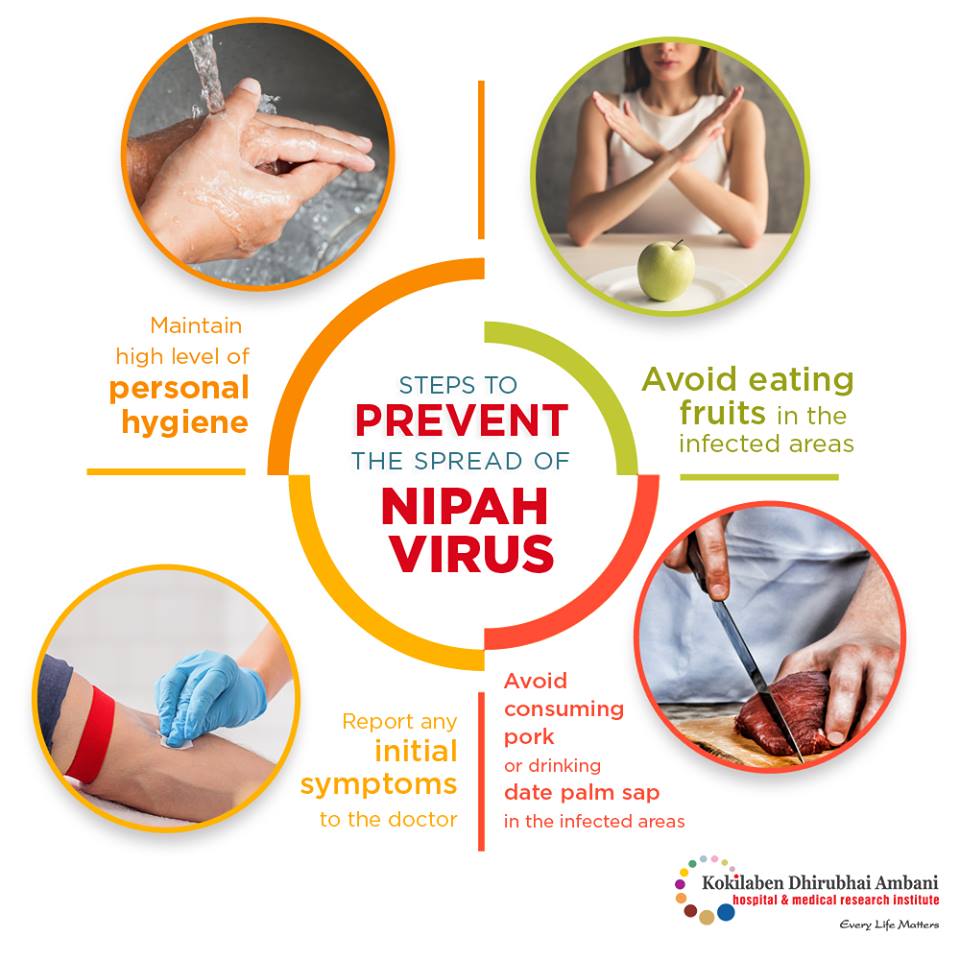
- Avoid Contaminated Produce: Do not consume fruits partially eaten by animals or those found on the ground.
- Thorough Cleaning: Always wash fruits meticulously before consumption to eliminate surface contaminants.
- Raw Sap Restriction: Strictly avoid drinking raw date palm sap, a known vector for virus transmission.
- Animal Contact Mitigation: Minimize contact with bats and any animals exhibiting signs of illness.
- Rigorous Hand Hygiene: Consistently wash hands with soap and water, especially after potential exposure or before meals.
- Personal Protective Equipment: Wear masks and other necessary protective gear when caring for infected individuals.
- Isolation Protocols: Maintain appropriate distance from patients displaying Nipah virus symptoms to prevent close-contact transmission.

Individuals who develop symptoms must adhere to stringent isolation guidelines. Consequently, this prevents further viral dissemination within the community. Furthermore, healthcare facilities and caregivers are mandated to implement rigorous infection control practices when managing suspected or confirmed Nipah virus cases, as direct contact with bodily fluids significantly elevates transmission risk. Health officials consistently emphasize the strategic deployment of protective equipment and assert that unwavering adherence to these preventive measures will precisely limit virus propagation, thereby protecting both the populace and dedicated healthcare professionals.