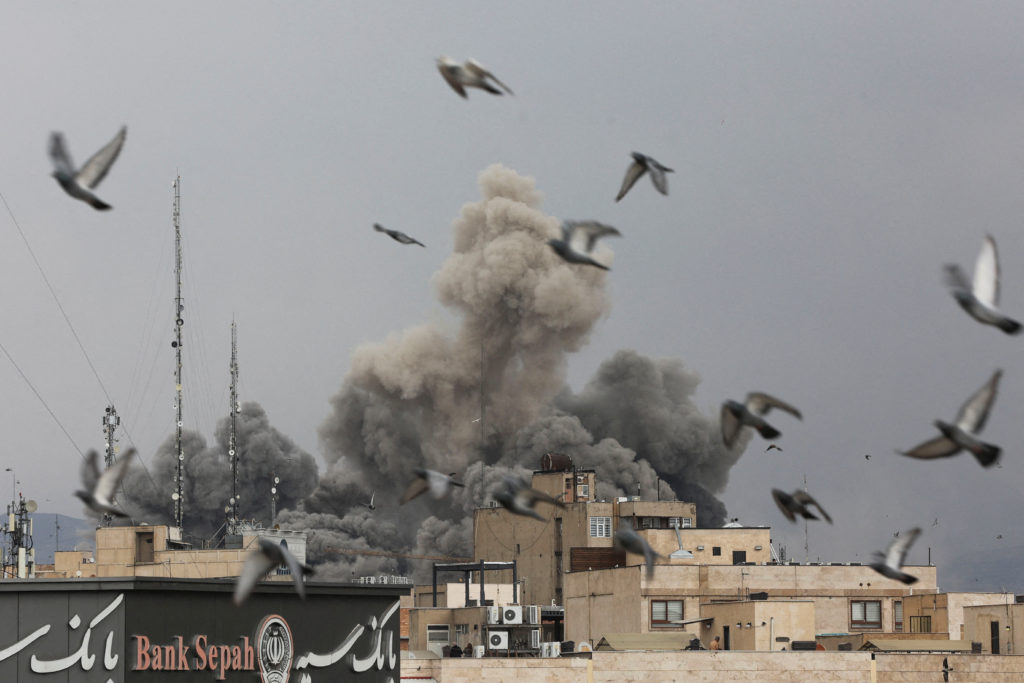
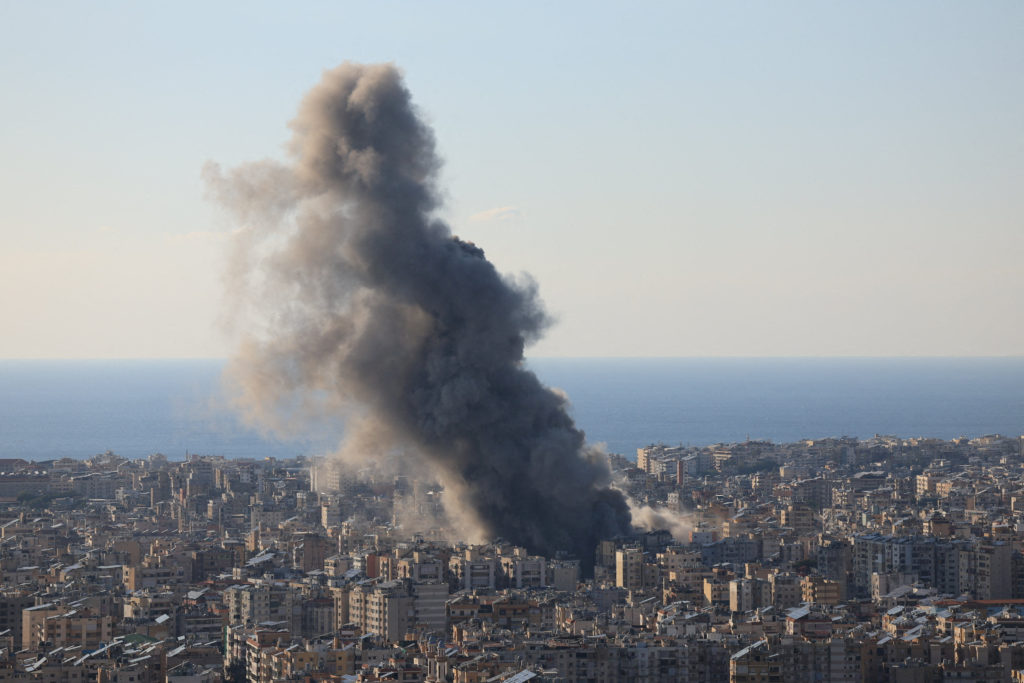
In a critical development, the Ministry of Foreign Affairs of Iran has officially condemned recent airstrikes, highlighting the structural damage inflicted upon the residence of acclaimed filmmaker Abbas Kiarostami. This incident underscores a direct impact on Iranian culture impact, prompting a robust official response. Spokesperson Esmaeil Baghaei explicitly challenged the justification for these military actions, questioning their strategic intent beyond conventional targets. Consequently, this event signals a deeper conflict, potentially extending into the nation’s rich cultural heritage and demanding a calibrated international response.
Strategic Condemnation: Targeting Cultural Icons
Esmaeil Baghaei, representing Iran’s Ministry of Foreign Affairs, precisely articulated the nation’s outrage following airstrikes attributed to the United States and Israel. Furthermore, Baghaei underscored the collateral damage to a significant cultural landmark: the home of Abbas Kiarostami. Kiarostami, globally recognized as a Palme d’Or winner at the 1997 Cannes Film Festival, represents a cornerstone of Iranian artistic achievement. Baghaei’s public statements on X critically examined the rationale, asserting that even cultural figures are targeted in this escalating geopolitical landscape.

The Translation (Clear Context)
This situation moves beyond standard geopolitical rhetoric. When a nation’s Ministry of Foreign Affairs cites the targeting of a celebrated artist’s home, it reframes the narrative from purely military engagements to a broader assault on national identity. The act of striking Kiarostami’s residence, an individual with no direct military affiliation, is interpreted not as a tactical hit but as a symbolic blow. This structural analysis reveals a critical Iranian culture impact, as such actions seek to undermine the morale and resilience embedded within a society’s artistic and intellectual contributions. This situation thus highlights a profound shift in the perceived targets of conflict.
The Socio-Economic Impact
For Pakistani citizens, particularly those within the arts, academia, and broader society, this incident carries significant implications. It highlights the vulnerability of cultural heritage in regional conflicts, which can destabilize social cohesion. Students in urban centers, aspiring filmmakers, and professionals in creative industries will observe that cultural landmarks, often seen as neutral zones, are now exposed to risk. In rural Pakistan, where cultural identity forms a strong communal bond, such actions could ignite public sentiment and foster a collective sense of vulnerability. This incident directly showcases a devastating Iranian culture impact, demanding international attention and robust frameworks for cultural heritage protection during periods of conflict, preserving collective human heritage.

A War Against Cultural Heritage
Baghaei’s condemnation extends beyond typical military discourse; he characterizes the actions as a direct “war against culture.” This assertion suggests the strategic intent is not merely to neutralize perceived threats but to systematically erode Iran’s foundational identity. Furthermore, such targeting impacts civilization itself. The spokesperson clarified that the conflict affects the state, its historical legacy, and its national self-perception. Given the escalating regional tensions, with continued military strikes involving the United States and Israel, the deliberate inclusion of cultural sites represents a significant escalation, challenging the international baseline for engagement.
The “Forward Path” (Opinion)
This incident represents a **Momentum Shift**. The precise targeting of a civilian cultural icon’s residence, regardless of intent, fundamentally alters the calculus of regional conflict. It is no longer solely about military installations or strategic assets; the confrontation now encompasses the very fabric of national identity and cultural expression. This shift mandates a re-evaluation of de-escalation strategies. International bodies and diplomatic channels must calibrate their efforts to ensure cultural heritage protection remains paramount, preventing such acts from becoming a new, normalized baseline for warfare. Therefore, the current situation represents a profound Iranian culture impact, warranting immediate diplomatic engagement and structural solutions to safeguard global cultural stability.