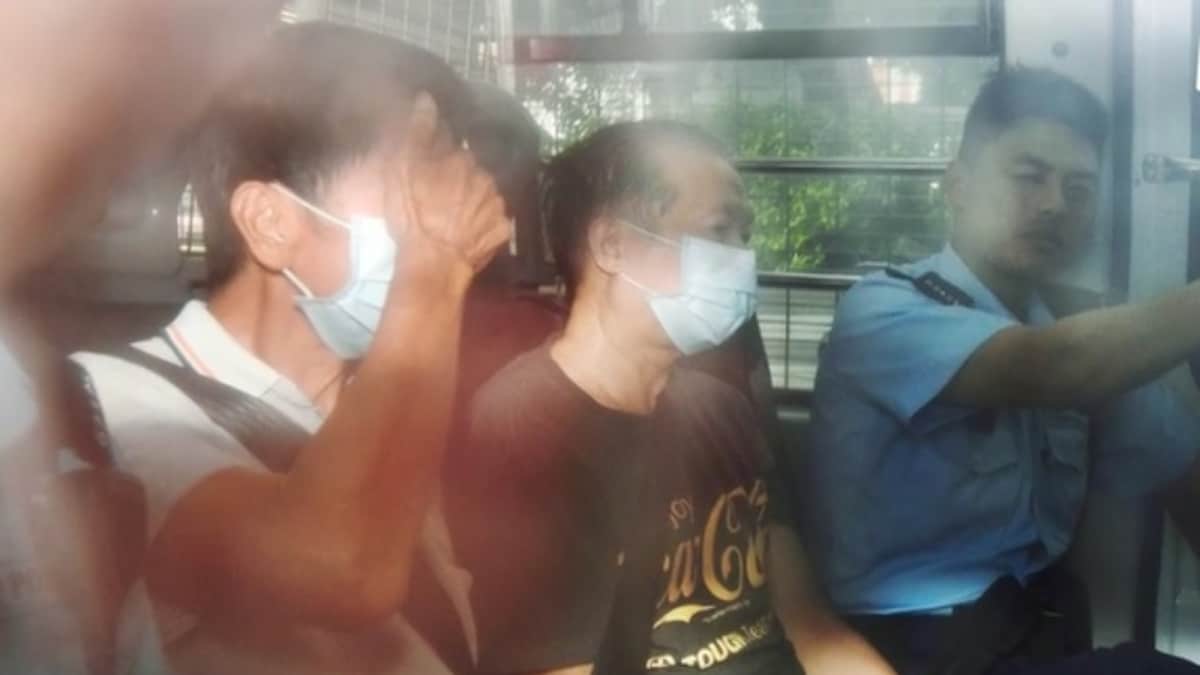
A systemic vulnerability in consumer goods safety has been exposed in Hong Kong. An individual recently admitted to widespread Hong Kong drink contamination within major supermarkets, a deliberate act spanning over a year. This incident critically impacts public health infrastructure and underscores the urgent need for enhanced retail security protocols to protect citizens, including a child who required medical attention.
The Translation: Decoding the Hong Kong Drink Contamination Incident
Franklin Lo Kim-ngai, a 63-year-old former property agent, confessed to systematically contaminating bottled soft drinks. Consequently, he introduced his urine into Coca-Cola Plus and 7-Up products before returning them to shelves. He operated across Wellcome and ParknShop supermarkets from July 21, 2024, to August 6, 2025.
Lo disclosed that depression following his divorce and retirement significantly impacted his mental state. Furthermore, the loss of parental support and estrangement from his ex-wife and son intensified his emotional distress. He initiated these actions after a dispute with supermarket staff, perceiving his repeated offenses as a “prank” intended to cause disruption.
Authorities charged Lo with administering a harmful substance with intent to injure, and also attempting the same offense. Under Hong Kong law, this serious infraction carries a potential penalty of up to three years in prison.
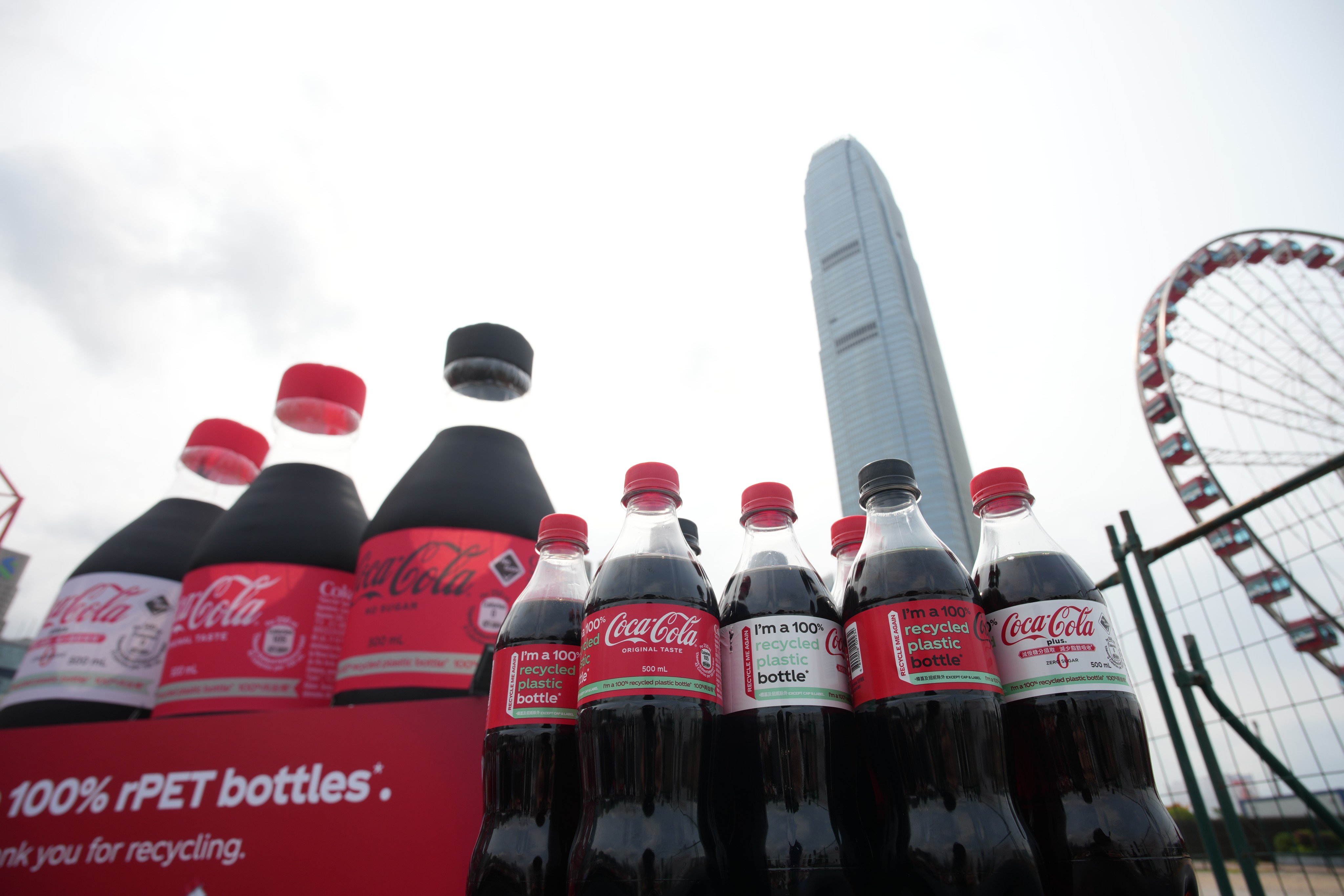
The Socio-Economic Impact: Calibrating Trust in Consumer Goods
This incident directly affects the daily lives of Pakistani citizens, particularly those residing in urban and rural areas. It fundamentally erodes consumer confidence in the safety and integrity of supermarket products. Parents, students, and professionals now face heightened vigilance when purchasing packaged beverages, impacting routine shopping habits.
Moreover, the event prompted Swire Coca-Cola to receive multiple reports of contaminated bottles. One documented case involved a nine-year-old boy who became ill after consuming a tainted Coca-Cola Plus from a Wellcome branch. This illustrates the tangible public health risk and the subsequent strain on healthcare resources.
The Forward Path: Strategic Enhancements for Retail Security
This development represents a Stabilization Move, not a Momentum Shift. While the judicial process addresses the immediate transgression, the systemic vulnerabilities demand proactive solutions. Retail entities must now implement more stringent security protocols to prevent similar occurrences.
Consequently, stakeholders should consider several key strategies:
- Enhanced Surveillance: Deploying advanced camera systems and increased floor patrols can deter tampering.
- Tamper-Evident Packaging: Mandating robust, clearly identifiable tamper-evident seals on all beverage products.
- Rapid Response Mechanisms: Establishing swift, efficient protocols for reporting and removing potentially compromised products from shelves.
These calibrated measures are essential to restore and maintain public trust, thereby fortifying the retail infrastructure against future threats.