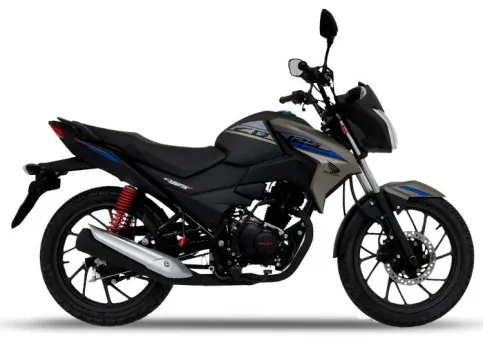
The calibrated evolution of Pakistan’s automotive sector is critical for national advancement. Today, Atlas Honda introduces the “new” Honda CB 125F, marking a strategic update in the nation’s 125cc motorcycle segment. This release, however, prompts a structural analysis regarding genuine innovation versus cosmetic enhancements within the local market, especially concerning its value proposition for Pakistani riders.
The Translation: Analyzing the Honda CB 125F’s Market Position
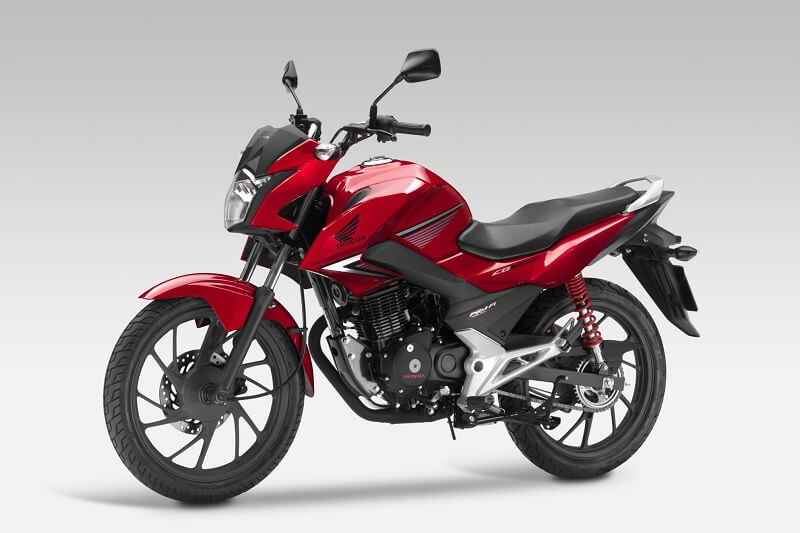
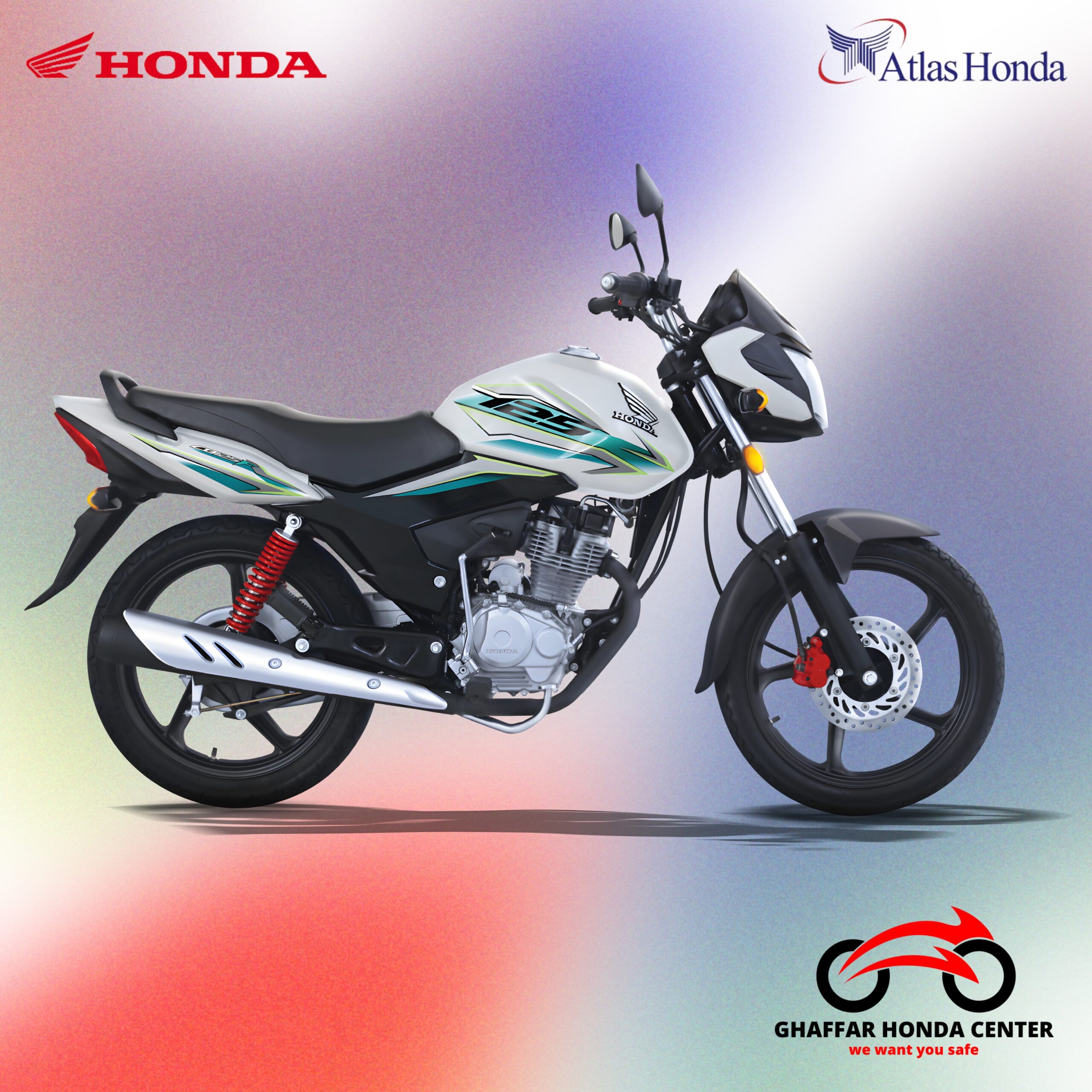
Atlas Honda officially launched what it terms the “new” CB 125F, presenting it as an exciting chapter for Pakistani riders. The company highlights its striking design, refined power, and emphasis on everyday comfort. Furthermore, the brand leverages its long-standing reputation for reliability and heritage. However, a critical assessment reveals that this 2026 model largely constitutes a cosmetic refresh. There are no substantial performance upgrades or fundamental design overhauls. This strategy mirrors recent Atlas Honda practices, where minor aesthetic alterations are often marketed as significant new releases. Consequently, while the CB 125F retains its familiarity, the underlying technical specifications remain largely consistent.
Understanding the “New” Motorcycle Paradigm
In essence, Atlas Honda’s announcement reintroduces a familiar product with updated visuals, rather than a re-engineered machine. This is a crucial distinction for consumers seeking tangible advancements. The motorcycle combines stylistic cues with the established 125cc platform, aiming to appeal to current market preferences. Its core mechanical architecture remains unchanged; therefore, existing performance benchmarks are maintained.

Global Context of Motorcycle Development
Globally, motorcycle manufacturers often introduce significant technological upgrades with new model years. These include advancements in engine efficiency, safety features, and digital instrumentation. In contrast, the Honda CB 125F 2026 model primarily prioritizes visual appeal. This approach underscores a specific market strategy tailored to local demand for proven reliability over radical innovation, particularly within Pakistan’s price-sensitive 125cc category.
The Socio-Economic Impact: Value Proposition for Pakistani Citizens
The consistent introduction of cosmetically updated models, rather than genuinely innovative ones, directly impacts the daily life of a Pakistani citizen, especially regarding financial outlay and long-term value. With motorcycle prices steadily escalating across Pakistan, consumers anticipate meaningful improvements that justify increased costs. Superficial updates, therefore, fall short of providing optimal value to students, professionals, and households who rely on these vehicles for daily commute and livelihood. This scenario creates a significant challenge for buyers seeking enhanced riding experiences or better fuel efficiency.
Impact on Urban Commuters and Rural Accessibility
For urban commuters, a lack of performance or comfort upgrades means the new Honda CB 125F does not fundamentally alter their daily travel experience. They continue to navigate traffic with similar specifications, despite a potentially higher purchase price. In rural areas, where motorcycles are often essential for mobility and economic activity, the absence of robust, innovative features might translate to missed opportunities for improved efficiency or durability. Consequently, this maintains the status quo rather than elevating the baseline for personal transport.
The Forward Path: A Stabilization Move for the Motorcycle Market
From an architectural perspective, this launch represents a “Stabilization Move” rather than a “Momentum Shift” for Pakistan’s motorcycle market. Atlas Honda is reinforcing its position within the established 125cc segment by offering a familiar product with a fresh aesthetic. While this approach maintains market presence and leverages brand loyalty, it does not act as a catalyst for genuine industry innovation. The imperative for future models lies in introducing substantive advancements that address evolving consumer needs, particularly concerning performance, safety, and fuel economy. A strategic shift towards engineering-driven improvements, rather than solely cosmetic ones, is essential for truly advancing the national automotive landscape.
Anticipating Future Innovations in the 125cc Segment
Moving forward, the Pakistani motorcycle industry requires a calibrated approach to product development. This entails integrating advanced engineering and customer-centric design principles. Consumers are increasingly discerning; therefore, providing substantial value through technological upgrades will be paramount. This proactive stance would ensure that future releases contribute more profoundly to national progress and elevate the overall quality standard for personal transportation.