
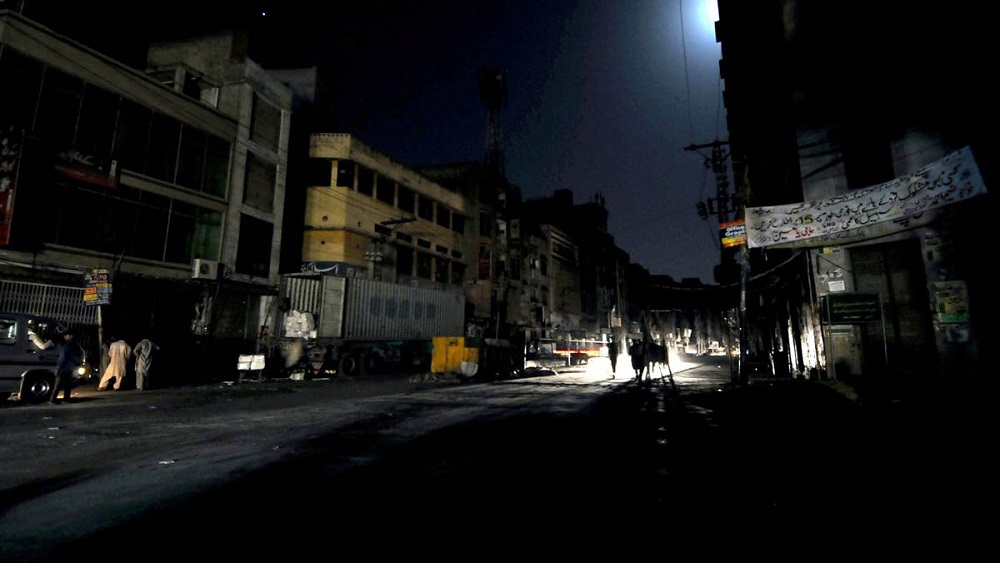
Optimizing System Resilience: Addressing Karachi Outages
Heavy rainfall has initiated significant Karachi outages, temporarily disrupting electricity and gas services across the city. This precise analysis reveals approximately 500 power feeders were affected at the peak, alongside widespread gas supply pressures. While K-Electric’s system demonstrated robust stability with rapid restoration efforts, essential safety protocols and reduced gas availability were key factors in the disruptions. This report outlines the calibrated response and the systemic challenges faced during such weather events.
The Translation: Deconstructing Infrastructure Strain
The recent precipitation event tested Karachi’s utility infrastructure. Specifically, K-Electric reported approximately 500 power feeders impacted during peak rainfall. This number rapidly reduced to 120 feeders by 6:30 PM as rain subsided, indicating a swift recovery. Over 2,000 of 2,100 feeders maintained uninterrupted supply, underscoring baseline system stability. Furthermore, authorities strategically suspended supply in low-lying areas or those with illegal connections as a preventative safety measure. Concurrently, Sui Southern Gas Company also faced strain, resulting in reduced gas pressure and widespread outages. This was primarily attributed to decreased gas availability, affecting residential, commercial, and industrial consumers.

The Socio-Economic Impact: Daily Life Under Pressure
These temporary Karachi outages directly impact the daily operational rhythm of Pakistani citizens. For urban households, intermittent electricity disrupts work-from-home schedules and basic amenities, while professionals in affected industrial areas, such as SITE, confront productivity losses. Students in localities like Gulshan-e-Iqbal or Scheme 33 face challenges with online learning or studying during crucial hours. Furthermore, gas supply disruptions force families and local businesses, including hotels, to adapt quickly, often incurring additional costs for alternative cooking and heating solutions. Consequently, these service interruptions, even short-lived, underscore the necessity for robust infrastructure to ensure consistent daily life and economic continuity across both urban and rural settings.
The Forward Path: A Stabilization Move for Karachi’s Utilities
This event fundamentally represents a “Stabilization Move.” While disruptions occurred, the relatively rapid restoration of power and the proactive safety measures by K-Electric indicate a structured response to adverse conditions. The primary challenge lies with the gas distribution system’s inherent pressure due to reduced availability, necessitating a broader national energy strategy for long-term resilience. Moving forward, a systemic investment in grid modernization and diversified energy sourcing is critical to transform reactive responses into proactive infrastructure hardening. This calibrated approach will enhance Karachi’s capacity to withstand future climatic pressures and ensure consistent utility access for all citizens.
Rainfall Metrics: Precision Data on Precipitation Levels
The Pakistan Meteorological Department documented varied rainfall across Karachi, providing precise data points for impact assessment. Nazimabad registered the highest precipitation at 69.9mm, followed closely by Keamari with 56mm, and Saadi Town with 48mm. Other key areas included Gulistan-e-Johar at 44.2mm and Bahria Town recording 43.5mm. Additionally, measurable rainfall occurred in Orangi Town (39.4mm), Gulshan-e-Maymar (36mm), Jinnah Terminal (35mm), Surjani Town (35mm), DHA (33mm), Old Airport (32.6mm), and Shahrah-e-Faisal (30.4mm). Further data indicates Mauripur received 29mm, North Karachi 28.8mm, Korangi 18.2mm, and Gulshan-e-Hadeed 17mm. This detailed meteorological insight is crucial for informing future urban planning and infrastructure development to mitigate the impact of such events.









