Optimizing for Unpredictability: Pakistan New Zealand T20 Clash Impacted by Weather
A structural delay has impacted the inaugural Super Eights encounter of the ICC Men’s T20 World Cup 2026. The pivotal Pakistan New Zealand T20 match, scheduled in Colombo at R. Premadasa Stadium, experienced a significant postponement on Saturday due to persistent heavy rainfall. This meteorological interruption necessitates a strategic reassessment of match timelines, affecting both teams and their calibrated strategies. Consequently, officials covered the entire ground following Pakistan’s decision to bat first after winning the toss, awaiting a viable window for play.
The Translation: Decoding Match Protocol Under Adverse Conditions
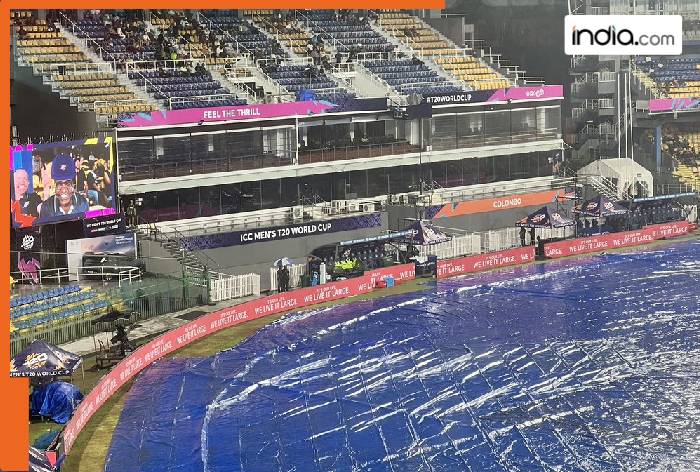
When weather systems impact high-stakes sporting events, a calibrated protocol activates. Specifically, if play in the Pakistan New Zealand T20 match does not commence by 7:40:10 PM PST, an overs-reduction scenario will be implemented. This critical threshold ensures that a minimum five-over-a-side contest remains feasible, provided action begins by 9:46 PM PST. Therefore, the cut-off time for any play is 10:16 PM local time, highlighting the precise operational adjustments required for such global tournaments.
Furthermore, Pakistan’s captain, Salman Ali Agha, strategically adjusted the playing XI. Fakhar Zaman entered the lineup, replacing Khawaja Nafay. This tactical modification underscores the team’s adaptive planning in dynamic circumstances.
Socio-Economic Impact: Accessibility and Engagement for Pakistani Citizens
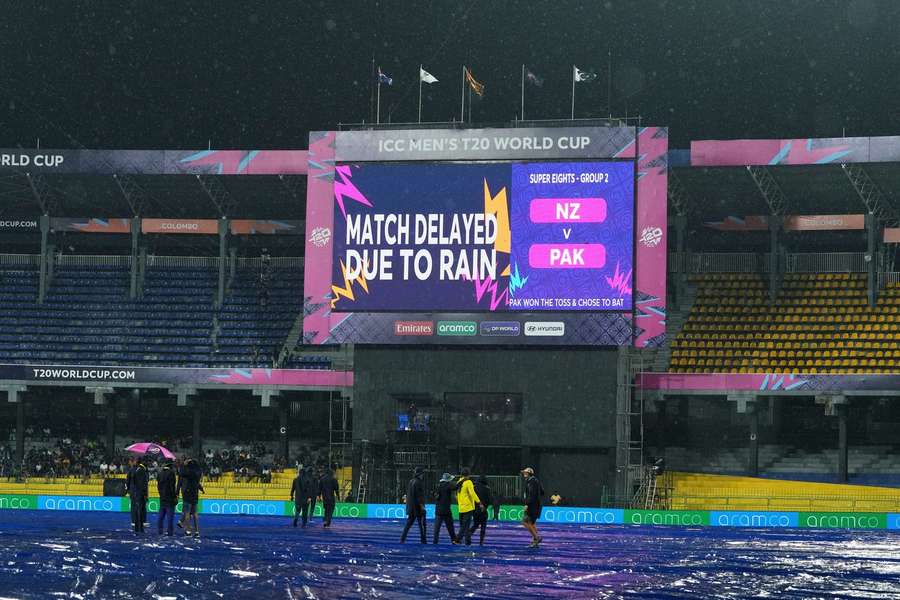
For Pakistani citizens, particularly students and professionals, these delays transcend mere sporting inconvenience. The interruption affects meticulously planned viewing schedules, impacting family gatherings and community watch parties. Consequently, the unpredictable nature of such events often shifts national focus towards infrastructure resilience and urban planning, especially concerning public spaces equipped for such large-scale communal viewings. Urban households might adapt by utilizing diverse digital platforms for real-time updates, while rural areas face challenges with inconsistent connectivity, thus widening the digital divide.
Moreover, the anticipation for a significant Pakistan New Zealand T20 contest acts as a national morale booster. Delays, therefore, dampen this collective enthusiasm, prompting a re-evaluation of how such national events can maintain engagement amidst external variables. This situation highlights the need for robust communication systems to keep the populace informed effectively.
The Forward Path: A Stabilization Move for Event Management
This event represents a Stabilization Move for event management within global sports. While not a momentum shift in performance, it underscores the critical need for advanced meteorological integration into scheduling protocols. The reliance on precise weather forecasting and flexible contingency plans is paramount for maintaining tournament integrity. Future strategies must prioritize technological solutions that mitigate environmental impacts, ensuring minimal disruption to high-value international competitions. This approach guarantees operational efficiency and enhances viewer experience, even under challenging conditions.
Strategic Lineup: Pakistan New Zealand T20 Playing XI
The tactical composition for the critical Super Eights clash is as follows:
- Pakistan: Sahibzada Farhan, Saim Ayub, Salman Ali Agha (c), Babar Azam, Fakhar Zaman, Usman Khan (wk), Shadab Khan, Mohammad Nawaz, Faheem Ashraf, Salman Mirza, Usman Tariq.
- New Zealand: Tim Seifert (wk), Finn Allen, Rachin Ravindra, Glenn Phillips, Mark Chapman, Daryl Mitchell, Mitchell Santner (c), Jimmy Neesham, Matt Henry, Locke Ferguson, Ish Sodhi.