

Pakistan Cold Wave: Heavy Rain & Snowfall Blanket the Nation
A significant Pakistan cold wave recently swept across the nation, bringing widespread rain and heavy snowfall to nearly all regions. Consequently, authorities have issued crucial precautionary advisories to ensure public safety. This weather phenomenon affected all provinces and northern areas, prompting immediate action from the National Disaster Management Authority (NDMA).
Widespread Impact: Rain and Snow Across Provinces
The Pakistan Meteorological Department (PMD) confirmed extensive rain and heavy snowfall across every province, including the northern territories. Specifically, areas like Naran, Kaghan, Dir, Swat, Kalam, Chitral, Kohistan, Mansehra, Abbottabad, and Shangla experienced considerable precipitation. Furthermore, Astore, Hunza, Skardu, Murree, Galiyat, Neelum Valley, Bagh, Poonch, Haveli, and Rawalakot also recorded substantial snowfall and rainfall.
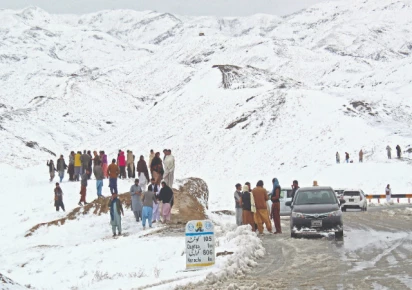
Regional Weather Overview
- Punjab: Major cities such as Rawalpindi and Lahore experienced intermittent rain and thunderstorms.
- Balochistan & Khyber Pakhtunkhwa: Most districts in these provinces faced widespread rain and snowfall, leading to colder conditions.
- Sindh: Even warmer regions like Sindh felt the chill, with light rain reported in Karachi, Hyderabad, Sukkur, and Larkana.
Current Weather Systems & Forecast
According to the PMD, a strong westerly wave is actively influencing most parts of the country. This system is expected to persist, particularly in the upper regions, for the foreseeable future. Consequently, residents should prepare for continued adverse weather.
The forecast indicates rain, wind, thunderstorms, and snowfall over hilly areas for Khyber Pakhtunkhwa, Kashmir, Gilgit-Baltistan, Islamabad, and upper and central Punjab. Moderate to heavy snowfall is specifically anticipated at higher elevations, posing challenges for travel and daily life.

Looking Ahead: Friday’s Outlook
On Friday, similar weather patterns are expected. Upper Khyber Pakhtunkhwa, northeastern Punjab, Kashmir, and Gilgit-Baltistan will likely experience more rain and snow. In contrast, other areas across the nation are predicted to have cold and dry conditions.
Recent Precipitation and Temperature Records
Over the past 24 hours, significant rainfall measurements included Parachinar (88mm), Khuzdar (12mm), Jacobabad (10mm), Sukkur (10mm), and Bhakkar (9mm). Furthermore, snowfall reached up to two inches in Kalam, Quetta, and Parachinar, transforming landscapes.
The coldest temperatures recorded were notably low: Leh (-11°C), Gupis (-5°C), Skardu (-5°C), Bagrote (-5°C), Parachinar (-5°C), and Kalam (-4°C). These extreme temperatures highlight the severity of the Pakistan cold wave.
NDMA Advisories and Safety Measures
The NDMA’s National Emergencies Operations Centre (NEOC) has issued a comprehensive weather alert. Authorities strongly advise people to avoid non-essential travel to snowfall-prone areas. For unavoidable journeys, citizens must use snow chains to ensure safety on hazardous roads.
Crucially, citizens should ensure proper heating, wear warm clothing, and secure adequate shelter, especially for vulnerable populations. The NDMA has also directed provincial and district administrations to maintain a high state of alert. This readiness includes preparations for snow clearance, emergency response, and the swift restoration of essential services.








