

Optimizing the human system for peak performance during Ramadan is a critical component of national well-being. Health experts strategically advise against excessive fried and sugary foods during Ramadan’s Sehri and Iftar. This proactive approach aims to mitigate common gastric issues like heartburn and acidity, ensuring a healthier fasting experience for all citizens. Healthy Ramadan Eating prioritizes balanced nutrition to sustain energy and prevent complications.
Calibrated Nutrition for Ramadan: The Expert Mandate
Dr. Rimsha Siddiqui, a distinguished nutritionist at Aga Khan University Hospital, emphasizes a structured dietary framework. Individuals with pre-existing conditions, specifically diabetes, hypertension, or heart disease, must consult their physicians prior to fasting. Consequently, adopting precautionary measures becomes paramount to avert health complications throughout the fasting month. This disciplined approach ensures individual safety and systemic efficiency.

The Translation: Deconstructing Ramadan Dietary Principles
The core logic behind avoiding fried and sugary items lies in their physiological impact. Fried foods, laden with unhealthy fats, can induce sluggishness and exacerbate gastric distress, making fasting arduous. Similarly, refined sugars cause rapid blood glucose spikes followed by abrupt crashes, leading to fatigue and cravings. Dr. Siddiqui’s guidance therefore constitutes a strategic shift towards sustained energy release and digestive comfort. Furthermore, this scientific reasoning underpins the recommended food choices.
Sustaining Energy: The Sehri Imperative
Skipping Sehri, the pre-dawn meal, can severely compromise energy levels throughout the fasting day. Dr. Siddiqui meticulously recommends incorporating fiber-rich foods, such as whole wheat flour, barley, porridge, and brown bread. Concurrently, integrating robust protein sources like eggs, lean meat, and lentils is crucial. Fiber, in particular, stabilizes blood sugar levels, preventing the energetic fluctuations often experienced during fasting hours. This structural dietary planning is essential for metabolic regulation.
Iftar Optimization: Strategic Food Selection
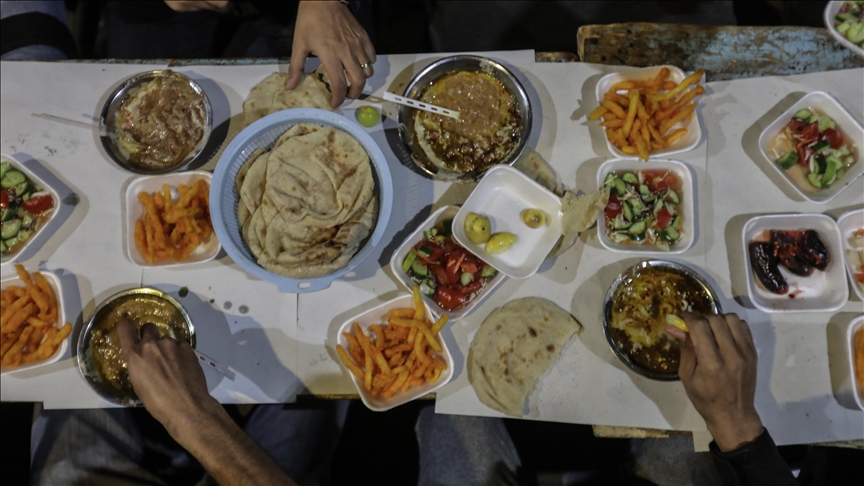
For Iftar, the evening meal, a calibrated approach to consumption is vital. Dr. Siddiqui advises stringent limitations on sugary beverages, along with a significant reduction in added sugars, jaggery, and honey. Conversely, increasing water consumption is non-negotiable for rehydration. Avoiding excessive fried foods prevents acute digestive issues. Recommended healthier Iftar options include:
- Fresh fruits and essential vegetables
- Lean kebabs (baked or grilled)
- Home-cooked haleem or porridge
Moreover, individuals with heart conditions, high blood pressure, and diabetes should proactively reduce beef consumption, opting instead for lean meats. Mutton may be consumed sparingly, approximately three to four times per week. Consequently, eggs and lentils provide superior, healthier protein alternatives, contributing to a balanced dietary intake.

The Socio-Economic Impact: Elevating Pakistani Health Standards
This strategic health advice directly impacts the daily lives of Pakistani citizens across urban and rural demographics. For students and professionals, maintaining stable energy levels through optimal healthy Ramadan eating translates to enhanced cognitive function and sustained productivity. Reduced instances of gastric distress mean fewer sick days and improved overall well-being. Furthermore, a healthier fasting population places less strain on public health infrastructure, allowing medical resources to be allocated more efficiently. This focus on preventive care is a direct investment in national human capital, fostering a more robust and resilient workforce.
The Forward Path: A Momentum Shift Towards Proactive Health
This expert guidance represents a decisive “Momentum Shift” rather than merely a “Stabilization Move.” It moves beyond conventional warnings to provide a precise, actionable framework for dietary optimization during a critical period. By empowering citizens with structured knowledge and specific alternatives, this initiative lays a foundational blueprint for sustained public health improvements. The emphasis on prevention and personalized consultation exemplifies a forward-thinking approach to national well-being, calibrating our citizens for long-term health resilience.








