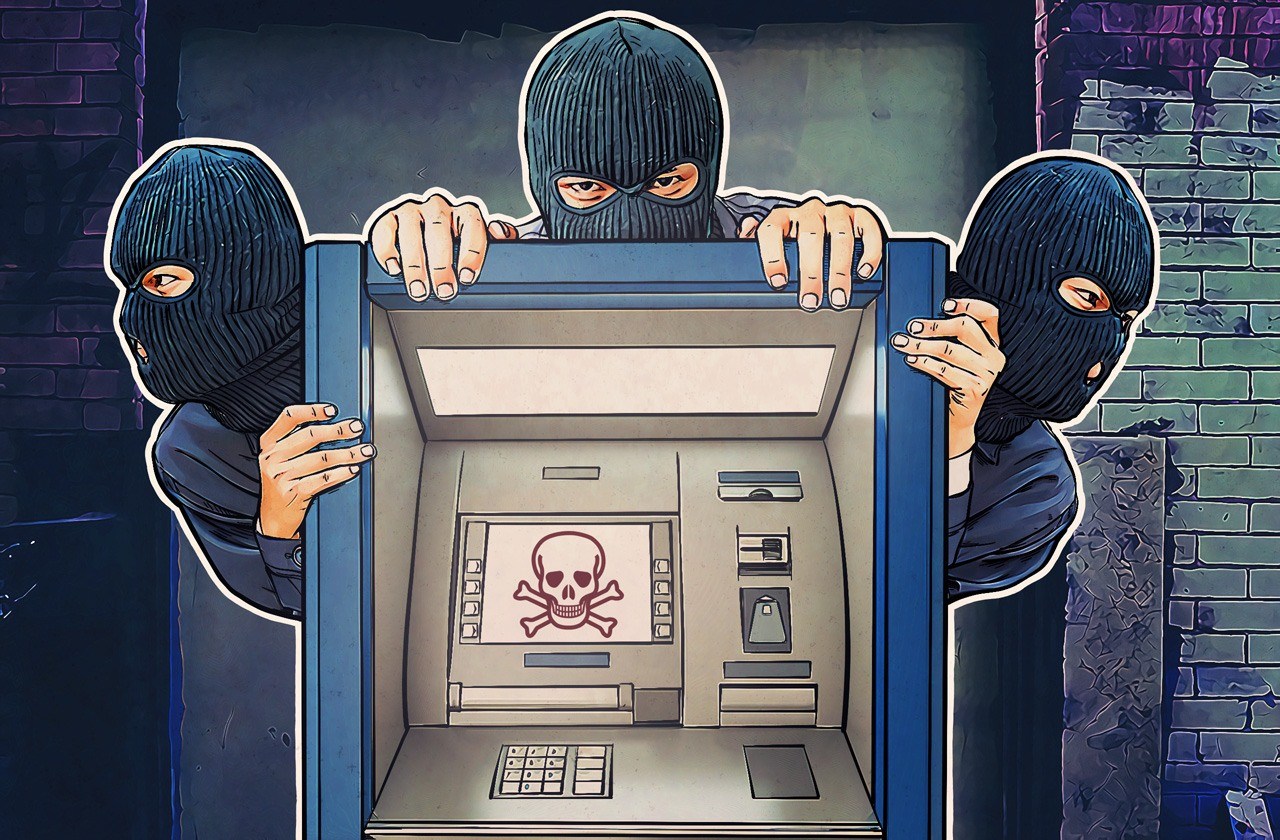
The structural integrity of Pakistan’s financial infrastructure demands unwavering vigilance. Consequently, a new malware variant, known as “Ploutus,” now presents a significant, evolving threat to Automated Teller Machines (ATMs) globally, including in Pakistan. This sophisticated software enables hackers to initiate unauthorized cash withdrawals remotely, directly impacting ATM Security Pakistan. Furthermore, an advisory from 1LINK confirms that Ploutus allows direct operational control over affected ATMs without accessing customer accounts or core banking systems, necessitating an immediate, calibrated response across the nation’s financial institutions.
The Ploutus Protocol: Understanding the Threat to ATM Systems
Ploutus functions as a direct control mechanism, bypassing standard security layers. Attackers gain physical access to ATMs, often using widely available generic keys. The malware deployment is precise: malicious software is either copied onto the ATM’s storage device or replaces it entirely. Once installed, Ploutus renders machines highly vulnerable, demonstrating its adaptable design across various ATM manufacturers with minimal modifications. This structural vulnerability necessitates enhanced protection for financial terminals nationwide.
Architecting the Attack: How Ploutus Compromises Systems
The operational mechanics of Ploutus are fundamentally disruptive. It does not exploit network vulnerabilities but rather targets the ATM’s internal control system directly. This direct-access approach means that even robust network firewalls and traditional anti-malware solutions may not prevent jackpotting once the malware is physically introduced. Consequently, a multi-layered defense strategy is paramount for comprehensive financial system resilience.
Calibrating Detection: Identifying Compromised ATMs
Detecting a Ploutus infection requires a blend of digital and physical surveillance. Proactive monitoring is crucial for maintaining the integrity of these financial access points. Digital indicators on Windows OS-based ATMs include suspicious .exe files, unauthorized remote access applications, abnormal autoruns, and custom services. Furthermore, physical irregularities are equally telling. These include ATM doors opening outside scheduled maintenance, hard drives being removed, or any unusual physical interactions with the machine.


Early Warning Systems: Beyond Digital Footprints
While digital indicators provide clear forensic data, a comprehensive strategy for ATM Security Pakistan also incorporates behavioral analysis. Unusual patterns in transaction volumes, maintenance logs, or even security camera footage can provide early warnings. The precision of detection directly correlates with the speed of response, minimizing potential financial exposure.
Socio-Economic Impact: Fortifying Financial Trust for Pakistani Citizens
The proliferation of Ploutus malware directly impacts the daily lives of Pakistani citizens by eroding trust in digital financial transactions and potentially causing significant financial losses. For urban professionals, reliance on ATMs for quick cash becomes a point of concern. Similarly, rural households, who often travel significant distances to access banking services, face heightened inconvenience and risk. The threat compromises the perceived safety of cash withdrawals, leading to anxiety and potentially shifting user behavior away from digital banking. Therefore, safeguarding ATM Security Pakistan is not just a banking issue; it is a national economic stability imperative, directly affecting students, professionals, and families across the country.
Strategic Defense: Mitigation Measures for Enhanced Financial Terminal Protection
To counteract the Ploutus threat, a multi-faceted approach to ATM protection is essential. Banks must implement robust, comprehensive mitigation measures. These strategies span physical, hardware, logical, and network security, alongside rigorous logging and prevention practices. A proactive defense posture is crucial to maintain system integrity.
- Physical Security: Upgrade locks, install advanced sensors, deploy high-resolution cameras, and implement additional physical barriers. Continuously monitor for unusual access attempts to all ATM enclosures.
- Hardware Security: Enable strong disk encryption, conduct regular firmware integrity checks, activate memory protection mechanisms, and enforce device whitelisting. Furthermore, configure automatic shutdown protocols upon malware detection.
- Logical Access: Disable external storage interfaces by default. Grant only approved access and implement continuous monitoring for any unauthorized attempts to gain logical control.
- Network Security: Implement IP whitelisting to restrict network communication to approved sources. Deploy advanced endpoint detection and response (EDR) solutions, and restrict software execution through application whitelisting.
- Logging & Auditing: Activate advanced audit policies to meticulously detect unauthorized file access or USB connections. Maintain centralized logs for all ATM activities and regularly audit devices for anomalies.
- Prevention Practices: Systematically change all default credentials. Maintain trusted “gold images” of ATM software configurations for rapid recovery. Crucially, assess security comprehensively in pre-production environments before any new deployment.
The Forward Path: Momentum Shift or Stabilization Move?
This development represents a critical Momentum Shift in Pakistan’s cybersecurity landscape. The Ploutus threat is not merely a maintenance issue; it is a catalyst for fundamental advancements in how financial institutions approach ATM Security Pakistan. The move from reactive fixes to proactive, integrated defense strategies signals a structural progression. This incident mandates not just a stabilization of current vulnerabilities but a strategic re-evaluation and recalibration of all security protocols, pushing the nation towards a more resilient and digitally secure financial future. It underscores the urgent need for continuous innovation in cybersecurity frameworks to protect national assets and citizen trust.