Calibrated Geopolitical Shifts: Iran’s Definitive Stance on Ceasefire
The geopolitical landscape in the Middle East is now witnessing intensified conflict dynamics as Iran has formally issued an Iran ceasefire rejection to a US-backed peace proposal. This pivotal decision prolongs military operations against Israel and Gulf Arab states, effectively ruling out an immediate cessation of hostilities and resetting diplomatic baselines. Consequently, global oil markets have reacted sharply, with Brent crude prices approaching $100 per barrel, signaling critical economic ripples from this strategic inflexion point.
Iran’s semi-official Fars news agency indicates Tehran perceives indirect negotiations, as proposed by US President Donald Trump, as “Illogical” at this juncture. This assessment is further corroborated by reports from Bloomberg. The Islamic Republic has explicitly stated it will only consider ending the conflict once its strategic objectives are definitively achieved, thus precluding any immediate ceasefire.
Iran’s Structural Conditions for Conflict Resolution
To clarify, Iran has articulated specific, non-negotiable conditions for an end to the ongoing conflict. These include baseline demands that structure their strategic engagement:
- Immediate cessation of all attacks and targeted assassinations against Iran.
- Establishment of concrete, verifiable guarantees against future US military actions.
- Clear determination and guaranteed payment for all war-related damages.
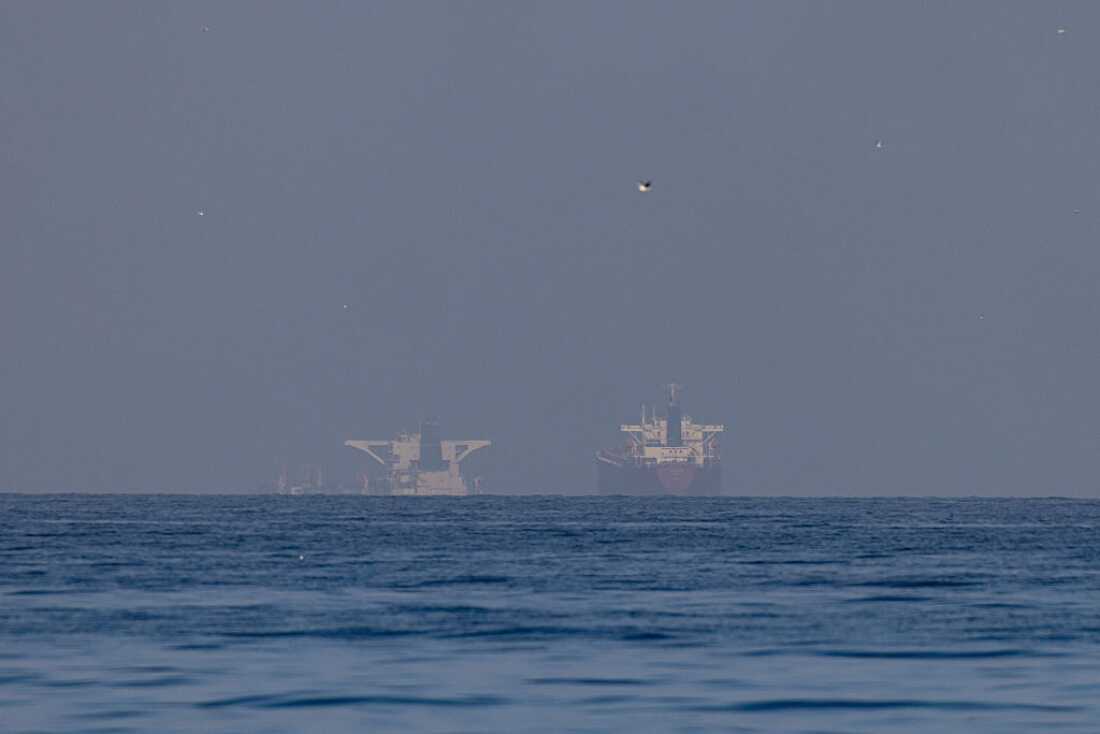
- International recognition of Iran’s sovereign authority over the strategic Strait of Hormuz.
- A comprehensive end to hostilities across all operational fronts, encompassing all Iranian proxies within the region.

The Translation: Deconstructing Iran’s Strategic Logic
Iran’s ceasefire rejection is not merely a diplomatic rebuff; it represents a calibrated assertion of national interest and regional influence. The listed conditions reveal a deep-seated demand for security assurances and explicit recognition of its geopolitical standing, particularly concerning the Strait of Hormuz, a critical global choke point for oil transit. Tehran aims to secure tangible concessions that fundamentally alter the regional power balance, rather than simply pausing hostilities under existing conditions.
The US previously presented a comprehensive 15-point peace framework, conveyed to Tehran via Pakistan, aimed at containing the conflict initiated with Israel. However, substantial divergences persist between the two sides, highlighting the complexity of achieving a stable resolution. The US proposal reportedly encompasses limitations on Iran’s nuclear program, renewed oversight by the International Atomic Energy Agency, restrictions on missile development, and guarantees for safe navigation through the Strait of Hormuz, in exchange for economic sanctions relief.
Socio-Economic Impact: Repercussions for Pakistani Households
A sustained escalation in the Gulf War, underpinned by Iran’s firm ceasefire rejection, directly impacts the daily lives of Pakistani citizens. Primarily, the sharp rise in global oil prices translates into higher domestic fuel costs, affecting transportation, electricity generation, and the overall cost of goods. For students, this can mean increased commuting expenses; for professionals, it impacts disposable income; and for households, it strains budgets already challenged by inflation. Furthermore, regional instability can disrupt trade routes and investment flows, potentially hindering economic growth and employment opportunities within Pakistan. Rural and urban populations alike will experience these economic pressures, underscoring the interconnectedness of global geopolitics and national welfare.
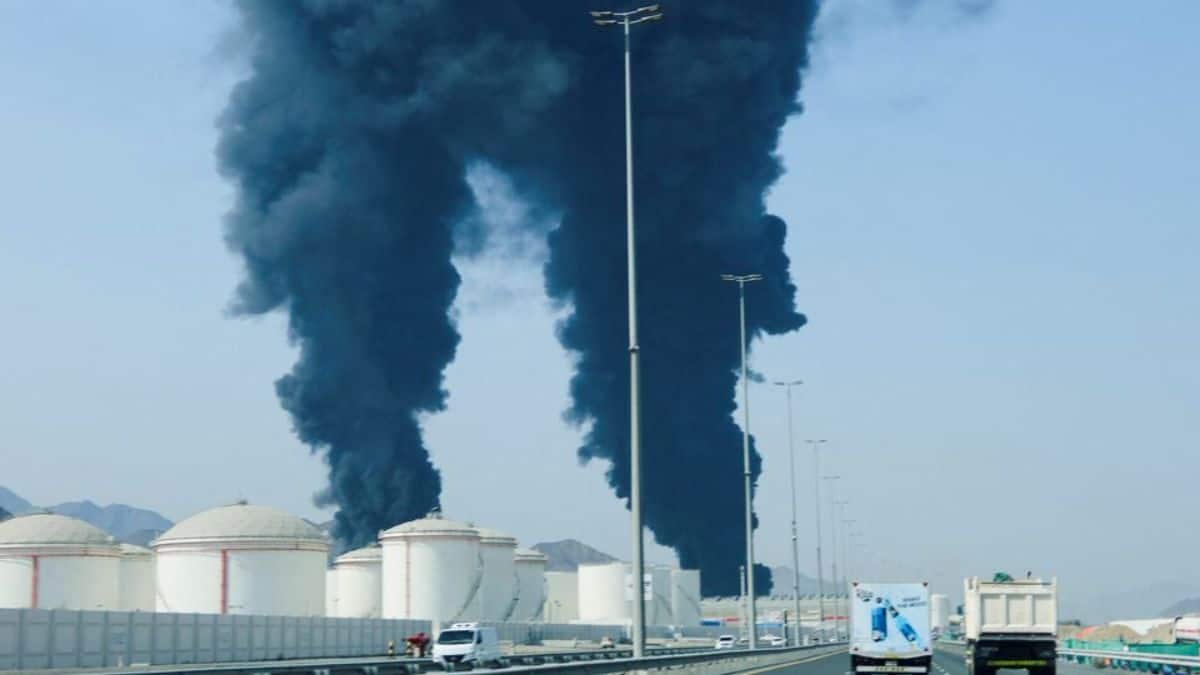
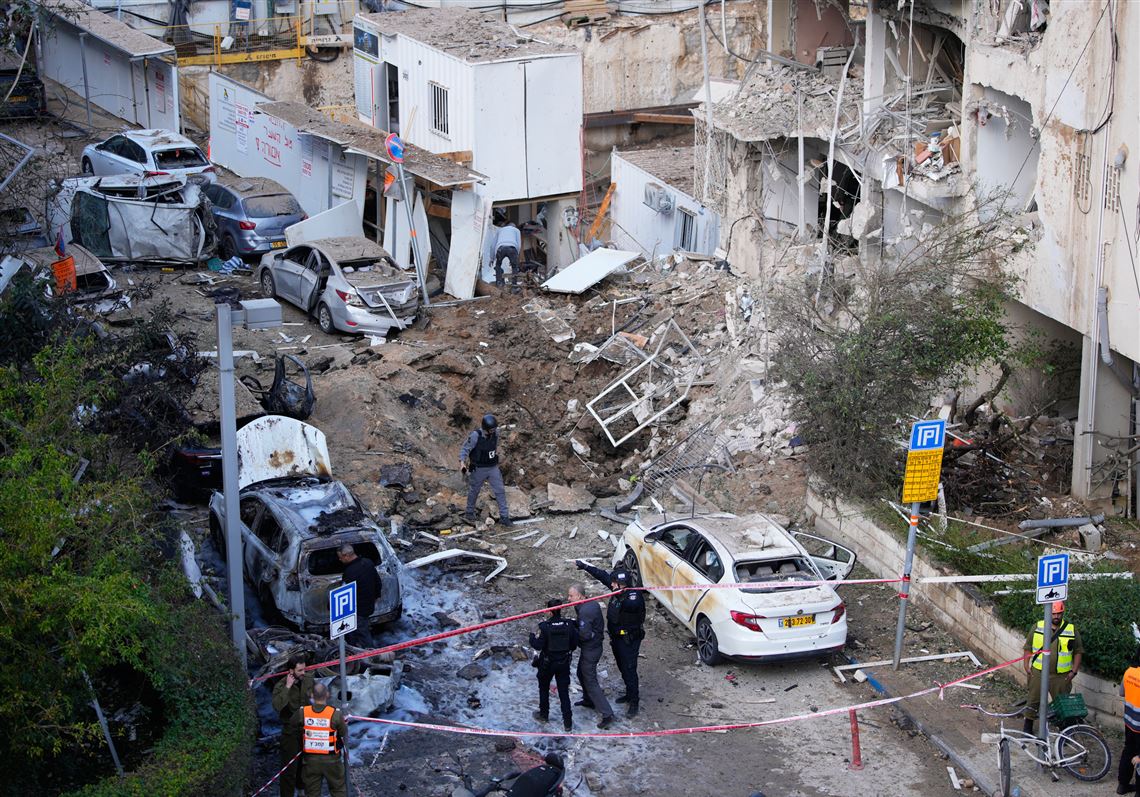
Despite diplomatic efforts, military activities continue to intensify. Iran has launched fresh missile and drone strikes targeting Israel, demonstrating its operational resolve. Concurrently, Saudi Arabia intercepted a drone in its eastern region, and a fuel tank at Kuwait’s main airport was hit, causing a fire. These incidents underscore the volatile security environment and the persistent risk of broader regional conflict.
The Forward Path: A Momentum Shift Towards Asserted Sovereignty
This development unequivocally represents a “Momentum Shift” rather than a “Stabilization Move.” Iran’s decisive ceasefire rejection, coupled with its non-negotiable conditions, signals a calibrated strategy to fundamentally recalibrate its position within the regional power matrix. President Trump’s insistence on permanent prevention of Iran acquiring nuclear weapons, even for civilian use, further highlights the chasm between the two sides’ strategic objectives. Iran’s Parliament Speaker, Mohammad-Bagher Ghalibaf, reinforced this stance by denying any talks and issuing a cautionary statement regarding US military movements, underlining the nation’s resolve. This trajectory indicates an era of asserted sovereignty and prolonged, complex negotiations, challenging previous baselines for regional peace. The path ahead mandates a precise understanding of these evolving power dynamics for all regional and global stakeholders.