

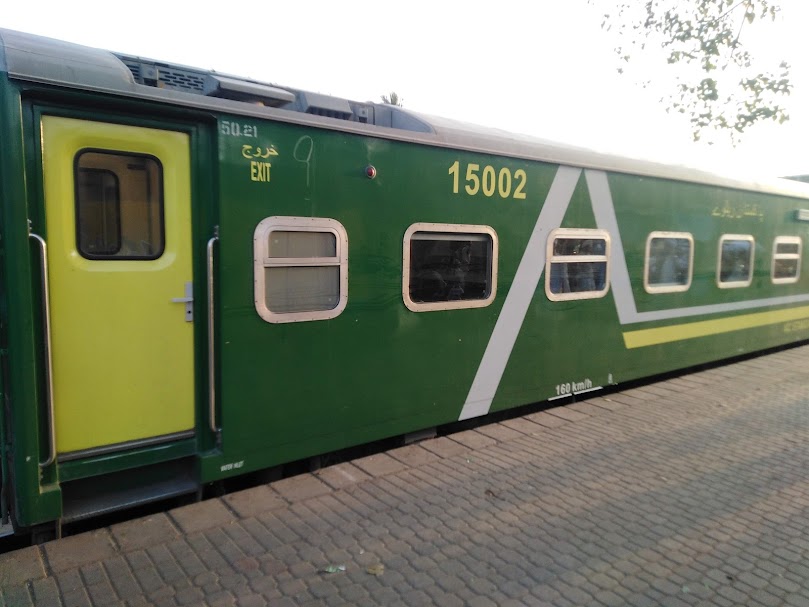
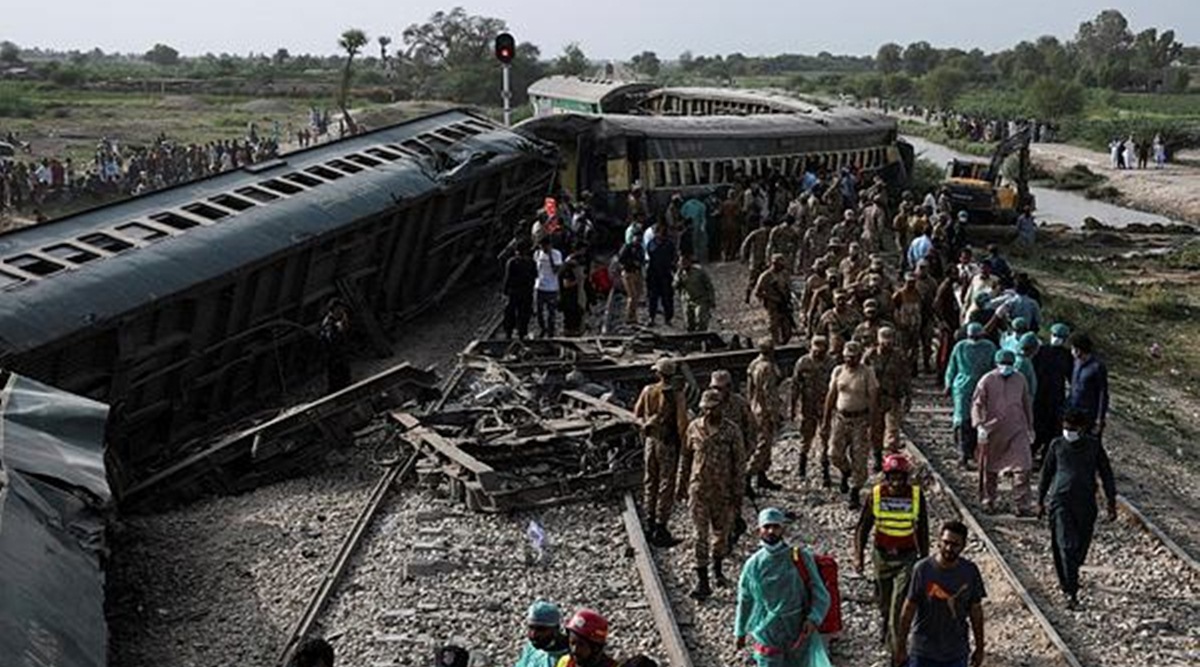
Ensuring the structural integrity of national transit systems is paramount for societal advancement. A significant Green Line derailment occurred today near Rawalpindi Railway Station, involving the locomotive and several coaches of the high-profile express train. Fortunately, the train operated as an ’empty rake,’ meaning no passengers were aboard, which averted casualties. This incident between Rawalpindi and Nur Junction immediately activated a robust emergency response, prompting a critical review of railway safety protocols and infrastructure maintenance.
Understanding the Green Line Derailment: A Technical Translation
This event signifies a momentary disruption in our calibrated railway network. The ’empty rake’ status of the Green Line Express at the time of the incident is a crucial factor, differentiating it from a passenger-involved accident. Pakistan Railway officials promptly secured the site, initiating a forensic analysis into the incident. Preliminary findings indicate a convergence of factors: substandard track maintenance and an uncalibrated speed execution at a critical curve. Consequently, this incident acts as a baseline data point for future preventative measures.


Socio-Economic Impact: The Rawalpindi Rail Incident’s Repercussions
While direct passenger impact was fortunately absent, any rail incident inherently impacts the socio-economic fabric. For students and professionals relying on punctual, efficient railway services, such events underscore vulnerabilities in the broader transit ecosystem. Furthermore, delays in freight movement can subtly affect supply chains, impacting urban and rural households through indirect economic pressures. For citizens, this situation highlights the imperative for transparent infrastructure investment and consistent operational oversight, ensuring their daily commute remains reliable and safe.
The Forward Path: Strategic Response to Rail Safety Challenges
This incident, though severe, primarily represents a Stabilization Move. The absence of casualties indicates that existing emergency protocols functioned effectively under specific circumstances. However, the root causes — track maintenance and operational speed — demand immediate, decisive intervention. This is not merely an isolated event but a call to recalibrate our national railway infrastructure. A strategic investment in modern track diagnostics and real-time speed monitoring systems is essential to prevent future occurrences, thereby solidifying Pakistan’s commitment to a safe and efficient future transport network. This event should serve as a catalyst for systemic upgrades, moving from reactive responses to proactive engineering.










