

Pakistan Calibrates Digital Fuel Quotas for National Efficiency
Pakistan is implementing a nationwide digital fuel management system, a structural initiative poised to optimize national resource allocation. This strategic deployment will introduce digital fuel quotas for private vehicle owners, establishing calibrated limits on individual petrol purchases. The federal government’s move aims to enhance system efficiency, ensure equitable distribution, and curb excessive consumption across the country.
This policy, currently awaiting formal approval, signifies a deliberate step towards modernizing Pakistan’s energy infrastructure. It underscores a commitment to integrating technological solutions for critical resource management, moving beyond conventional distribution models. Furthermore, preparations for the operational rollout of this sophisticated system are rapidly nearing completion, signifying an imminent shift in how citizens access fuel.
The Translation: Deconstructing Pakistan’s Digital Fuel Quotas
The foundational framework for Pakistan’s digital fuel quotas involves the deployment of advanced mobile devices at every petrol pump nationwide. The Ministry of Information Technology has meticulously finalized testing of these specialized devices, ensuring their robust functionality for data acquisition and transaction processing. Consequently, the National Information Technology Board (NITB) has verified the mobile handsets designated for oil marketing companies (OMCs), while exhaustive testing of the embedded fuel management application is complete.
Official channels confirm that the Ministry of IT has formally submitted the project summary to the Cabinet Division. The Secretary for IT and Telecommunication has initiated the crucial request for further governmental approval and inter-ministerial coordination. Moreover, the ministry has directed the Oil and Gas Regulatory Authority (OGRA) to issue specific directives to OMCs, mandating the procurement of these essential mobile devices to facilitate a seamless operational transition.

Only mobile phones receiving dual approval from both NITB and the Pakistan Telecommunication Authority (PTA) will integrate into this system, guaranteeing data integrity and network security. Each device, with an estimated cost of approximately Rs. 36,000, is engineered for precision digital monitoring of fuel sales. Ultimately, OMCs will bear the financial responsibility for these devices, procured by NITB and distributed after transparent payment processing via OGRA.
The Socio-Economic Impact: Calibrating Daily Life
The introduction of digital fuel quotas will structurally alter the daily lives of Pakistani citizens, impacting students, professionals, and households in both urban and rural settings. For the average commuter, this system implies a transition from unlimited fuel access to a precisely allocated quota, necessitating more strategic planning for travel and logistics. While this may initially present a behavioral adjustment, the long-term objective is a more stable and predictable fuel supply, reducing instances of artificial scarcity and price volatility.
Furthermore, this digital intervention aims to curb fuel pilferage and black-market activities, which historically inflate costs for legitimate consumers. Households, particularly those managing tight budgets, could experience a more equitable distribution of resources. However, it will also demand a rapid adaptation to digital payment and monitoring interfaces, potentially posing a learning curve for segments of the population less familiar with digital platforms. Educational outreach will be crucial for a smooth transition, ensuring all citizens can navigate this new system effectively.
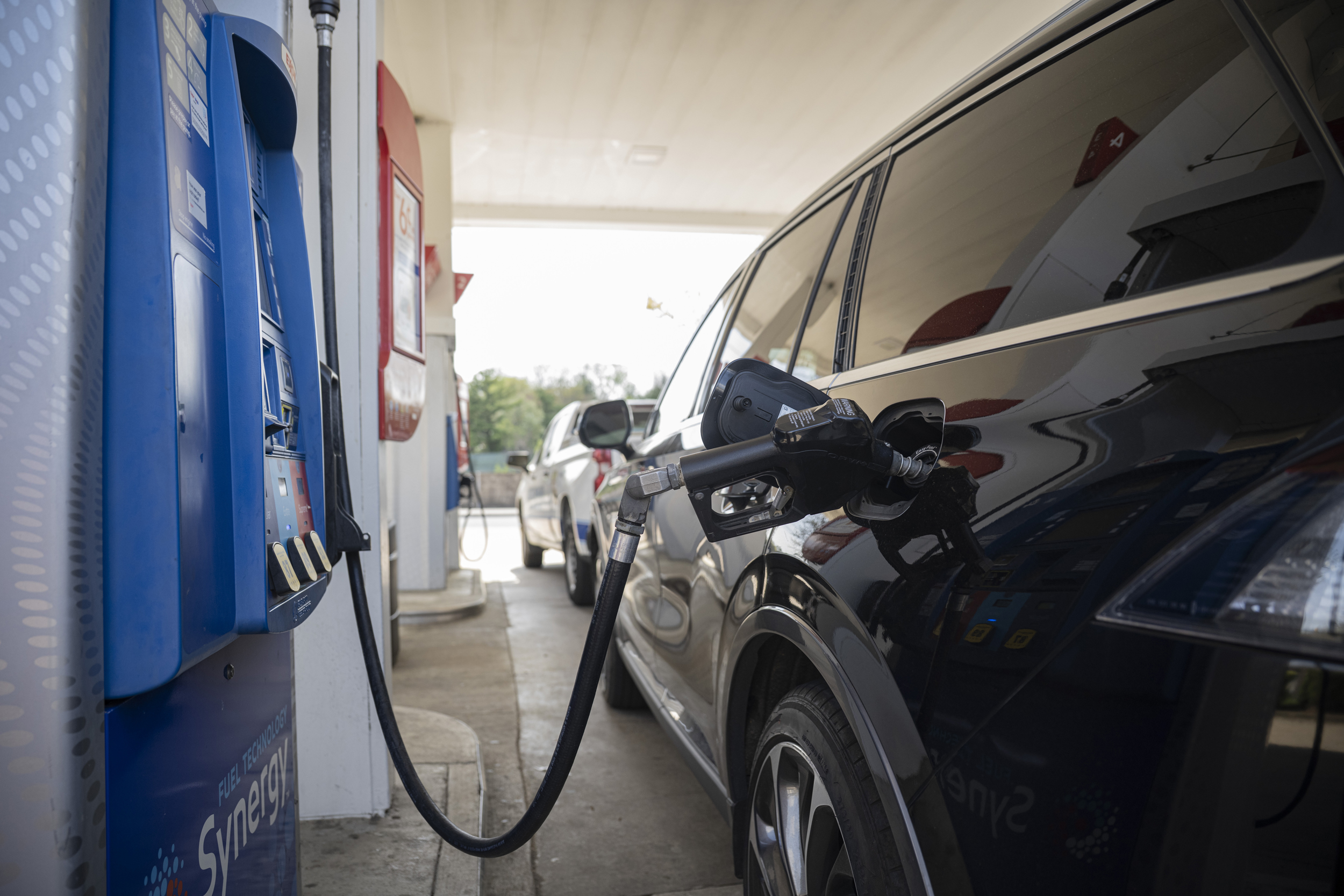
Professionals relying on vehicle-based services, such as ride-sharing or delivery platforms, will need to recalibrate their operational models to align with their allocated fuel quotas. This could foster innovation in logistics and route optimization, driving efficiency across the service sector. Conversely, the initial implementation phase might introduce temporary disruptions as individuals and businesses adjust their consumption patterns and operational strategies. The overall impact projects a more disciplined fuel economy, fostering greater transparency and accountability across the supply chain.
The Forward Path: A Stabilization Move for Systemic Resilience
This development represents a Stabilization Move for Pakistan’s economic and energy infrastructure, rather than an immediate “Momentum Shift.” The implementation of digital fuel quotas is a critical, baseline action designed to introduce systemic resilience and manage a vital resource with unprecedented precision. It addresses long-standing issues of inefficient distribution and uncontrolled consumption, laying crucial groundwork for future advancements.
While the immediate goal is stabilization and equitable resource management, this digital framework holds potential as a catalyst for future “Momentum Shifts.” Integrating this system with broader digital identity platforms or smart city initiatives could unlock further efficiencies and introduce dynamic pricing models. Consequently, this strategic deployment marks a decisive step towards a more predictable and digitally governed national resource landscape, establishing a robust operational baseline for sustainable growth.

Ultimately, the success of this initiative hinges on its precision implementation and continuous calibration. It embodies a disciplined approach to national resource management, prioritizing long-term stability and fairness over short-term expediency. The government’s proactive stance in deploying advanced digital tools reflects a visionary commitment to a more organized and resilient Pakistan.








