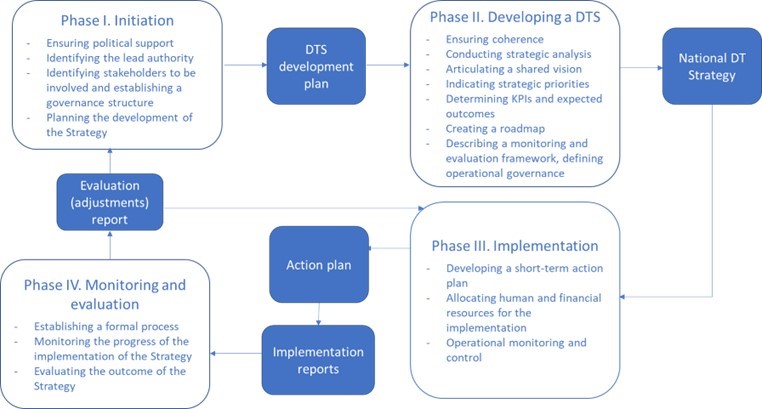
Pakistan is architecting a unified national digital platform to fundamentally transform public services delivery. This strategic initiative, backed by the World Bank, aims to centralize and integrate government operations, thereby enhancing transparency, coordination, and overall citizen access to essential digital public services across federal and provincial departments.
Optimizing Governance: The Structural Blueprint
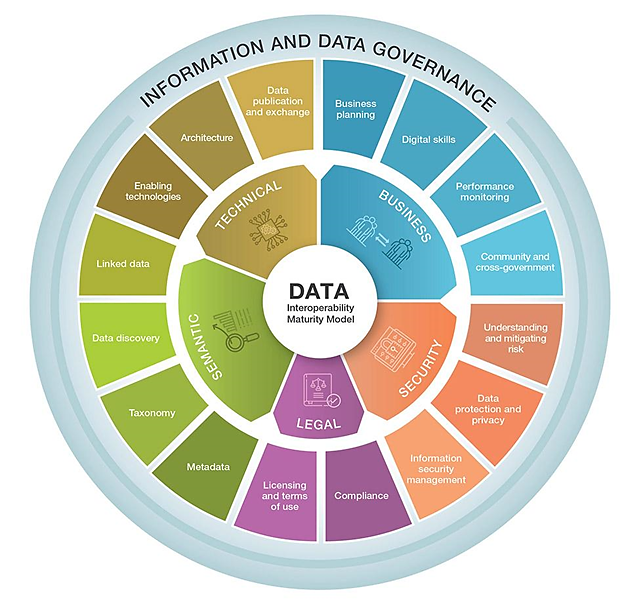
The Ministry of Information Technology and Telecommunication has launched a significant national-level project. This calibrated effort involves inviting proposals for the design, development, and ongoing support of a comprehensive digital system. Consequently, eligible firms globally and within Pakistan are encouraged to submit their expertise. This project signifies a precise move towards a more interconnected and efficient governmental framework.
Ensuring Procedural Integrity
The procurement process strictly adheres to international competitive bidding standards. This commitment aligns with World Bank regulations, guaranteeing transparency and fostering broader participation. Furthermore, a virtual pre-proposal session is scheduled for later this month. This session will enable potential bidders to seek crucial clarifications and achieve a deeper understanding of the project’s precise requirements. All relevant documentation is already accessible via official online channels. The submission deadline for these proposals is calibrated for the end of March 2026. Subsequently, authorities will commence a structured evaluation, based on predefined, objective criteria.
Catalyzing Citizen-Centric Governance
This foundational digital transformation directly impacts the daily lives of Pakistani citizens. For students, professionals, and households across urban and rural Pakistan, this platform represents a significant leap towards accessible and efficient public service delivery. Imagine streamlined applications for documents, expedited governmental interactions, and enhanced transparency in all transactions. This systemic improvement promises to reduce bureaucratic hurdles and foster a more responsive government. Moreover, improved coordination among federal and provincial departments ensures a unified service experience for every individual.

Empowering Through Efficiency
This digital transition will notably boost financial inclusion, particularly for underserved communities. Access to digital platforms can unlock opportunities for economic participation, education, and healthcare access that were previously hampered by geographical or logistical barriers. Consequently, this initiative serves as a structural catalyst for equitable development, ensuring that the benefits of modern governance reach every corner of the nation.
:max_bytes(150000):strip_icc()/Financial-inclusion_final-9c5b63eb93b54e55aa4b4c9df26788de.png)
Assessing the Trajectory: Momentum Shift
This initiative unequivocally represents a Momentum Shift for Pakistan. It is not merely a stabilization move, but a decisive structural progression towards a digitally empowered future. The World Bank’s involvement signifies international validation and resource commitment, providing a robust baseline for sustained development. This strategic embrace of digital governance will calibrate Pakistan’s public sector for enhanced efficiency, transparency, and citizen engagement. Consequently, this platform sets a new standard for national advancement.