Pakistan’s energy infrastructure is undergoing a pivotal upgrade with the introduction of an optional Industrial Energy Tariff. This strategic initiative, spearheaded by the Ministry of Energy (Power Division), aims to elevate national energy efficiency and implement cost-reflective pricing for industrial consumers. The proposed multi-slab time-of-use (ToU) mechanism offers industries the calibrated flexibility to optimize electricity consumption, particularly during off-peak hours. This move is designed to stabilize the national grid and foster robust, sustainable industrial growth across the nation.
The Translation: Deconstructing the Optional Energy Pricing Framework
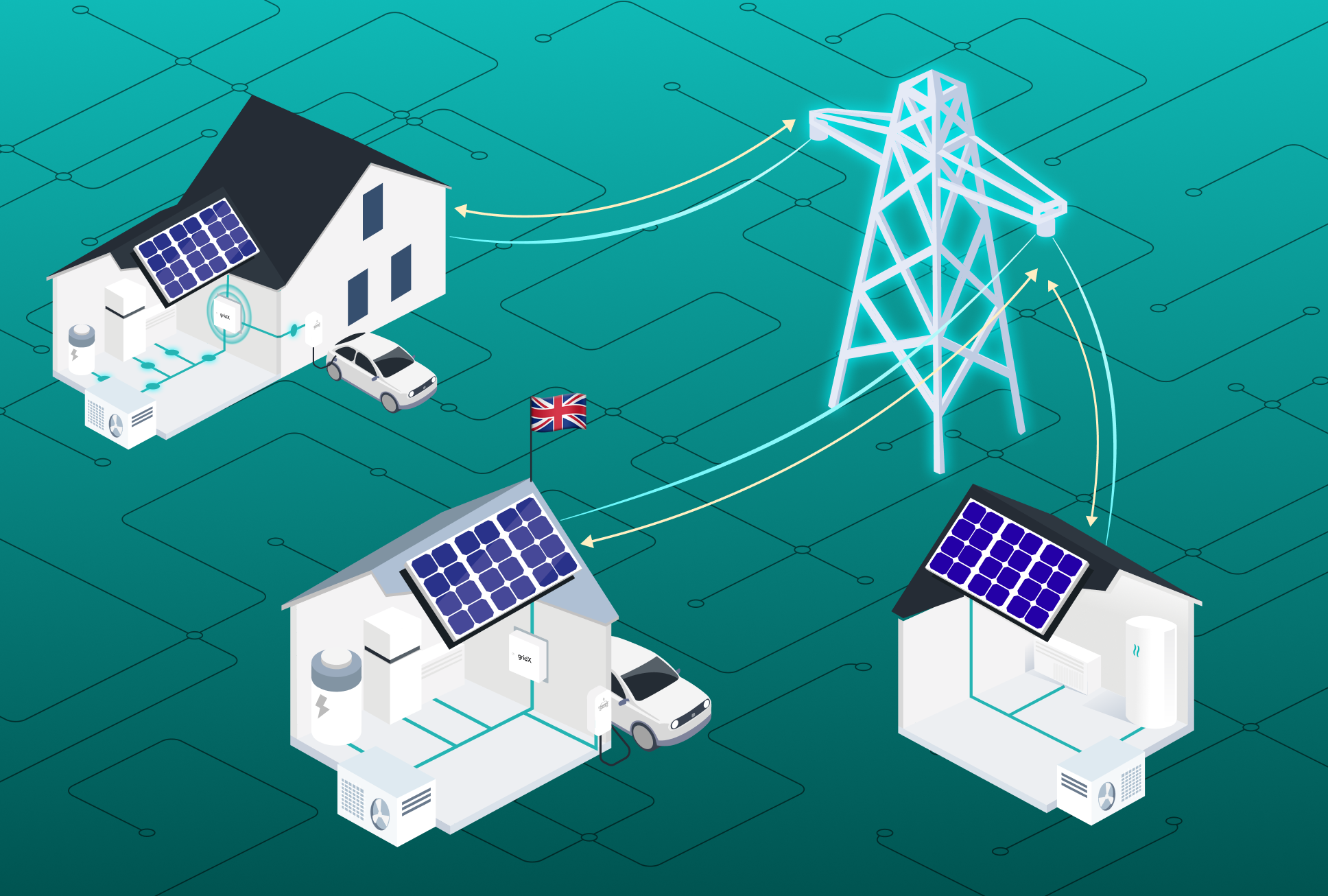
The Ministry of Energy is structurally redefining how industries procure electricity. This optional tariff framework introduces dynamic pricing, where electricity costs fluctuate based on defined time-of-use periods. This mechanism allows industries to strategically shift high-demand operations to periods of lower grid stress and reduced tariffs, optimizing their energy expenditure. Crucially, the system comprises two distinct components:
- Fixed Charges: These are determined by Maximum Demand Indicators (MDI). A higher baseline encourages industries to precisely optimize and reduce peak demand, ensuring grid stability.
- Variable Energy Charges: These charges are meticulously rationalized to align closely with actual energy costs. This provides more predictable and transparent cost-reflective pricing, enabling better financial planning.
The Socio-Economic Impact: Calibrating Daily Life for Pakistanis
This strategic adjustment impacts every Pakistani by strengthening the national economy and potentially stabilizing energy costs for producers. For industrial professionals and entrepreneurs, it necessitates a recalibration of operational schedules. This empowers them to leverage off-peak pricing, driving innovation in production planning and fostering a culture of energy conservation. Furthermore, a more efficient industrial sector translates directly to a more resilient national grid. This enhanced stability can lead to lower indirect costs on consumer goods as industries optimize their energy expenditure, benefiting households in both urban and rural Pakistan.

The Forward Path: A Momentum Shift for National Advancement
This development represents a Momentum Shift. By enabling industries to actively manage their energy consumption through this refined energy pricing model, Pakistan is advancing towards a more efficient and responsive energy ecosystem. This move is a fundamental step in optimizing resource allocation and solidifying the nation’s industrial competitiveness on a global scale. Federal Minister for Power, Sardar Awais Ahmed Khan Leghari, has strategically directed extensive stakeholder consultations. This inclusive approach ensures the proposed regime’s effectiveness, incorporating feedback from industrial consumers, chambers of commerce, and various trade bodies across the country. This collaborative refinement is critical to calibrate this framework for maximum national benefit and sustainable progress.