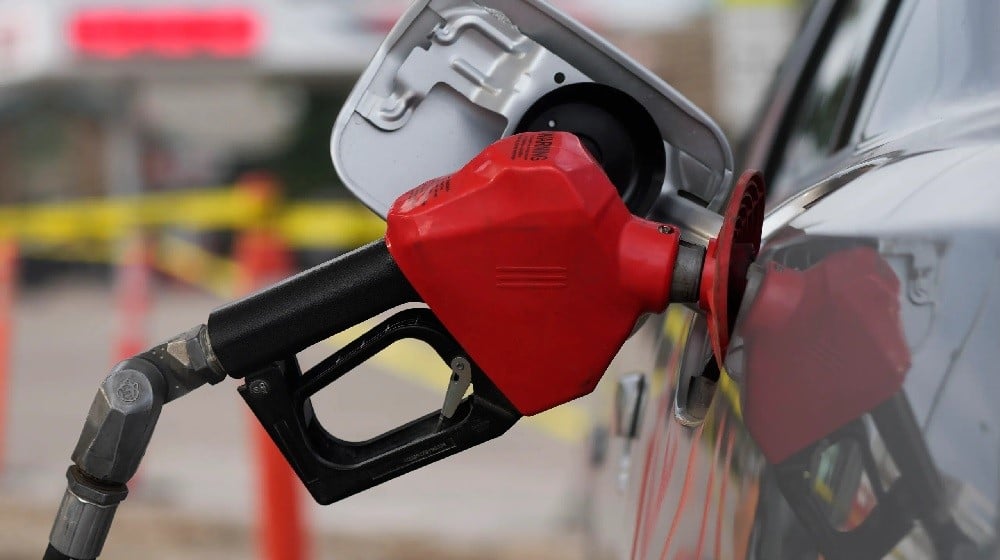
In a strategic fiscal maneuver, the federal government has committed to absorbing a significant Rs. 49 per litre cost increase. This calibrated intervention is designed to maintain fuel prices unchanged for an additional week, directly buffering Pakistani consumers from the volatile impacts of global geopolitical events like the Gulf conflict. This decisive action underscores a commitment to baseline economic stability, protecting household budgets and national commerce from immediate inflationary pressures, and ensuring a predictable environment for citizens.
The Translation: Deconstructing Strategic Efforts to Keep Fuel Prices Unchanged
To implement this critical price containment, the government will compensate oil marketing companies through a system of price differential claims. These payments are crucial; they bridge the economic gap between escalating international market rates and the fixed domestic retail prices. Consequently, pump owners receive necessary compensation, preventing supply chain disruptions and ensuring steady fuel availability across the nation’s diverse regions. This structured compensation mechanism is a foundational element in shielding the domestic market from the full severity of global price surges.

Global commodity markets have demonstrated significant volatility. Specifically, Dubai crude has recently reached a substantial $166.6 per barrel, while diesel prices have climbed to $218.79 per barrel. Furthermore, petrol has seen an increase to $145.87 per barrel, highlighting persistent global supply-demand imbalances. During the preceding week’s fuel price review, the government strategically adjusted kerosene oil and light diesel oil (LDO) prices. Crucially, it maintained the petroleum levy at Rs. 105.37 per litre on petrol and Rs. 55.24 per litre on diesel. This comprehensive approach, including a massive Rs. 23 billion subsidy approved for the period from March 14 to March 20, unequivocally prioritizes consumer price stability, a core objective of the national economic framework.
The Socio-Economic Impact: How Stable Fuel Costs Benefit Citizens
The government’s resolve to keep fuel costs stable, thereby ensuring predictable pricing, has a tangible and immediate impact on the daily lives of Pakistani citizens. For urban and rural households alike, these stable fuel costs directly translate into predictable transportation expenses for daily commutes, school runs, and essential services. This stability directly benefits students commuting to educational institutions, professionals traveling to work, and families managing their monthly budgets with greater certainty amidst broader economic challenges. Moreover, this fiscal policy mitigates the potential for inflationary spirals across the entire economy, ensuring that the cost of essential goods, which rely heavily on efficient transportation logistics, remains accessible to all segments of society. Ultimately, this calibrated financial absorption serves as a direct form of economic relief, shielding millions from the sharp edges of global market fluctuations and actively preserving their purchasing power and quality of life.

The Forward Path: Sustaining Economic Momentum for Pakistan
This recent development represents a Stabilization Move rather than a fundamental Momentum Shift. While the absorption of rising fuel costs provides critical short-term relief, it functions primarily as a strategic buffer against external economic shocks, which could otherwise cascade through the economy. Such interventions are vital for maintaining baseline consumer confidence and preventing rapid economic deceleration, which could destabilize the national framework and hinder developmental progress. However, a robust, long-term vision requires a more structural and sustainable approach to energy independence. Pakistan must proactively explore diversified energy sources, invest strategically in renewable technologies, and significantly enhance domestic refining capabilities to build inherent resilience against future global price volatilities. This commendable proactive measure, therefore, must be coupled with sustained policy development and infrastructural investment to achieve enduring energy security and accelerate national economic advancement.