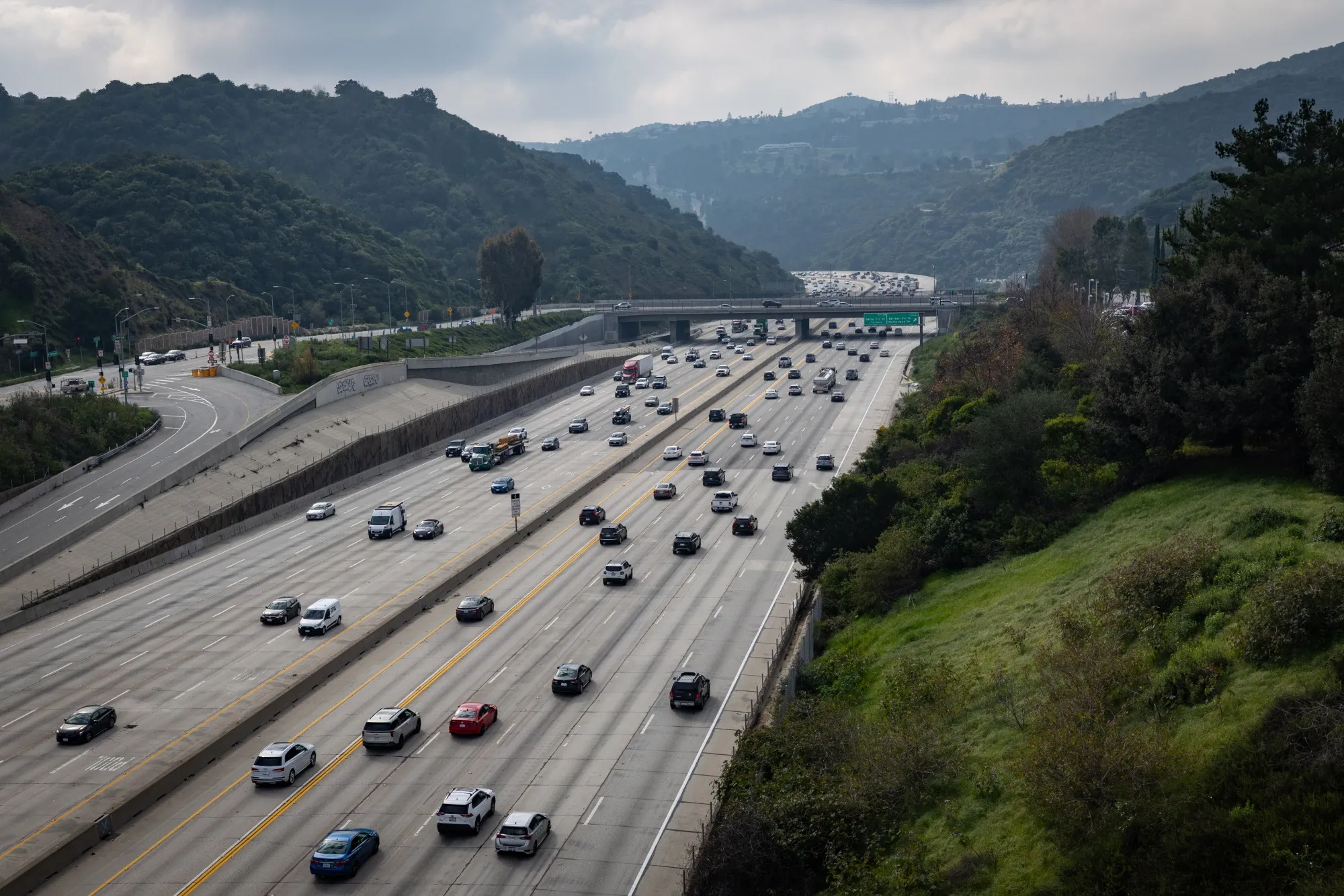
Pakistan’s infrastructure blueprint advances with the official commencement of the Swat Motorway Project Phase II in Khyber Pakhtunkhwa. Chief Minister Muhammad Sohail Afridi confirms this strategic development will fundamentally enhance regional connectivity, act as a significant catalyst for economic activity, and precisely stimulate tourism across Swat and its adjacent territories. This initiative represents a calibrated move towards national advancement, prioritizing efficient transport networks to unlock latent regional potential.
The Translation: Deconstructing Regional Advancement
The Swat Motorway Project Phase II, spanning approximately 80 kilometers from the Chakdara Interchange to Fatehpur, is more than just asphalt and concrete. It is a structural intervention designed to recalibrate the region’s logistical capabilities. This precision engineering includes nine new interchanges and seven strategically placed bridges over the Swat River, specifically engineered to streamline transit and reduce journey times. Consequently, this network expansion will directly integrate previously underserved areas into the national economic grid, fostering equitable growth.

Socio-Economic Impact: Calibrating Daily Life
This motorway project will profoundly change the daily life of Pakistani citizens, particularly in Khyber Pakhtunkhwa. For students, improved road networks mean more reliable access to educational institutions, potentially reducing commute times and expanding academic opportunities. Professionals will benefit from enhanced business logistics and increased market access, facilitating smoother supply chains and new entrepreneurial ventures. Furthermore, households in both urban and rural Pakistan will experience reduced travel costs and improved access to essential services, including healthcare facilities and commercial hubs. The influx of tourism, propelled by easier access, is also projected to create significant local employment opportunities and stimulate small and medium-sized enterprises (SMEs), establishing a new economic baseline for the region.


The Forward Path: A Momentum Shift for Pakistan
This development undeniably represents a Momentum Shift for Pakistan. Beyond the immediate connectivity benefits, discussions during the Chief Minister’s meeting extended to comprehensive development initiatives in the Malakand region and proposals for the Annual Development Programme (ADP) 2026-27. Priorities include critical infrastructure upgrades, enhancements in education and health facilities, and the expansion of communication networks. Crucially, directives were issued to resolve pending issues in Provincial Transmission Line Phase II, ensuring full utilization of the province’s hydropower potential. This integrated approach, encompassing physical infrastructure alongside human capital development (e.g., Shaheed Arshad Sharif University, Livestock University, Engineering University), signifies a holistic and forward-thinking strategy for sustainable growth.