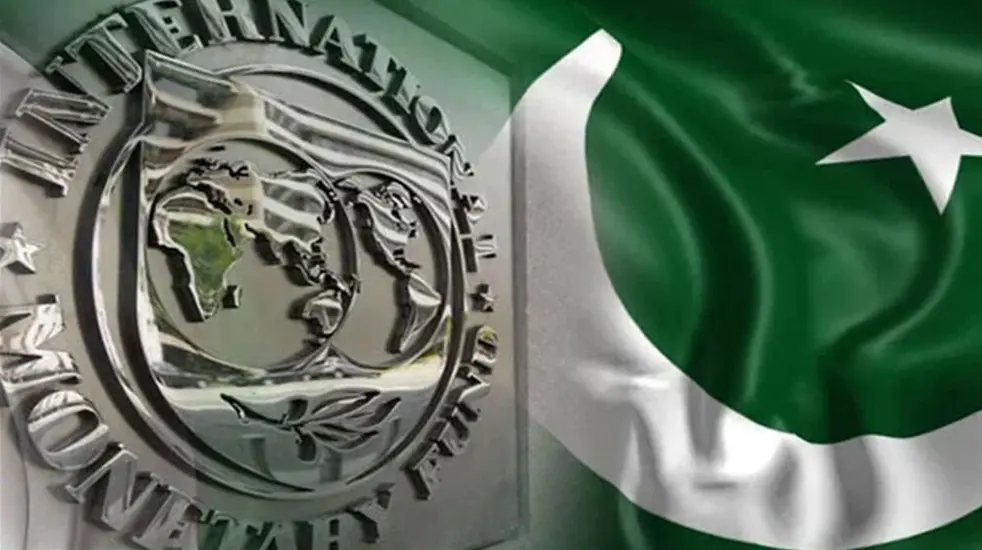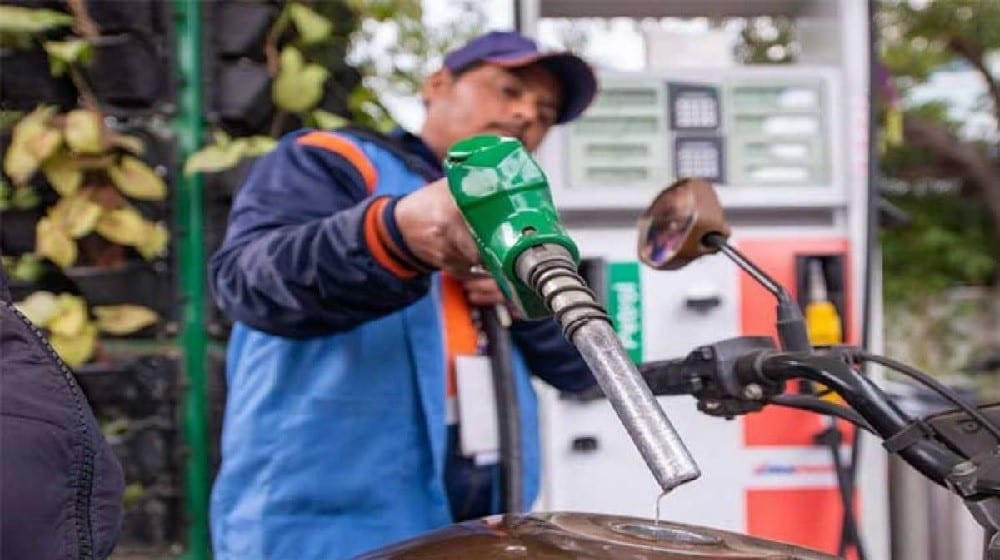
In a strategic calibration of national resources, Pakistan’s federal government has implemented a significant fuel price hike. This pivotal adjustment sees petrol prices escalate by Rs. 137.23 per litre and high-speed diesel (HSD) by Rs. 184.49 per litre. Consequently, the new baseline for petrol is Rs. 458.4, with diesel reaching Rs. 520.35 per litre. This development, following a prior week of unchanged rates amidst global trade crises, marks a critical shift in the nation’s economic landscape, directly impacting operational efficiency across all sectors.
The Structural Reality of Pakistan’s Fuel Price Hike

The recent increase in petroleum product prices represents a direct response to prevailing economic indicators and global market dynamics. Previously, the federal government had maintained stable fuel rates for one week, even as the Gulf War instigated notable trade disruptions. However, a review of the past six pricing cycles reveals a consistent pattern: fuel rates have been augmented in four instances, indicating a structural dependency on external factors and a calibrated approach to fiscal management. This ongoing fuel price hike reflects the government’s commitment to fiscal stability.
This systematic adjustment ensures the national exchequer can sustain essential services while navigating the complexities of international energy markets. Furthermore, it reflects the ongoing imperative to align domestic pricing with global benchmarks, a fundamental aspect of maintaining macroeconomic stability. The government’s decision explicitly prioritizes long-term systemic solvency over short-term price stability.

Socio-Economic Repercussions: Daily Life Under Elevated Fuel Costs
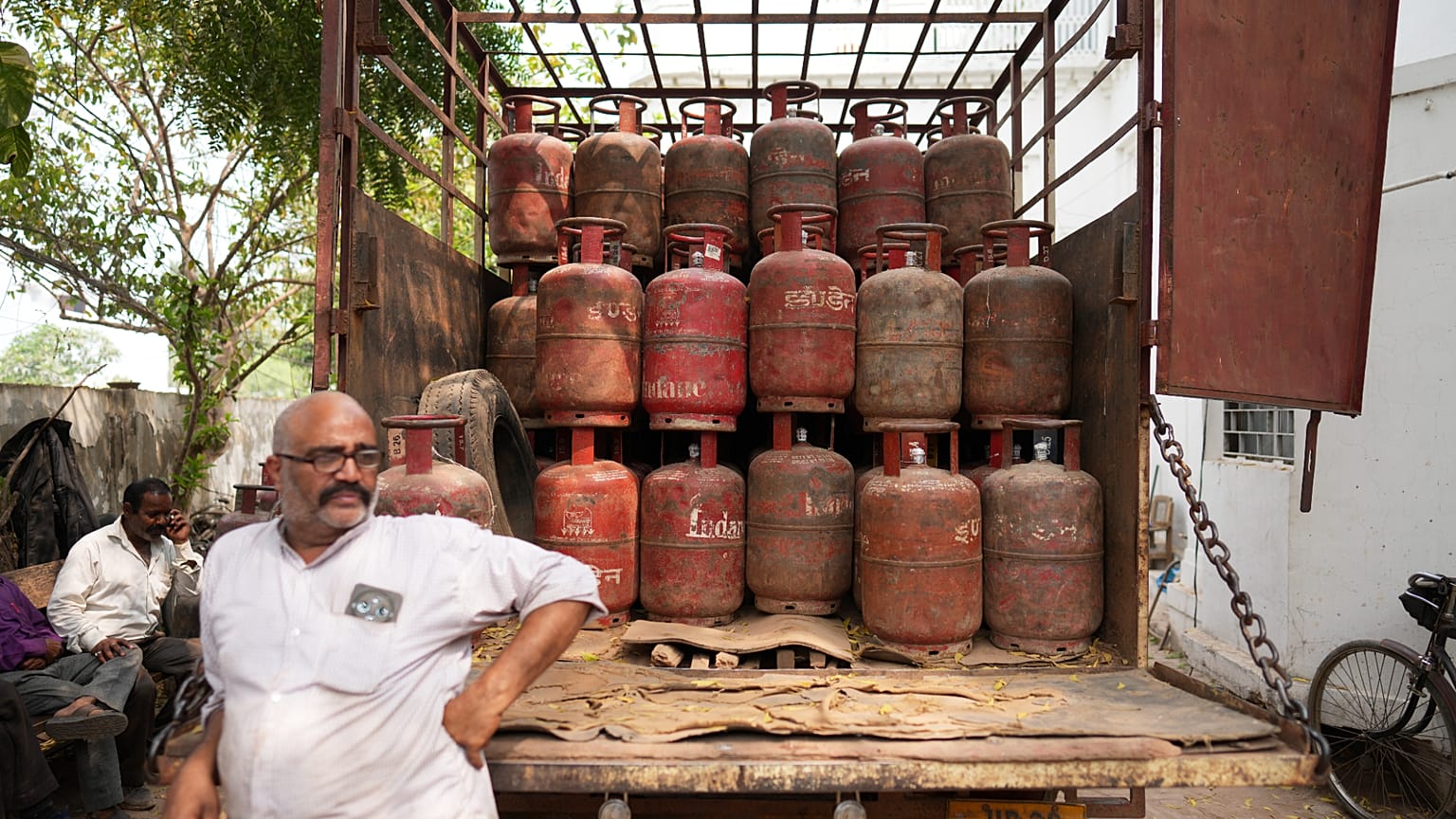
This diesel rate increase and corresponding petrol hike will profoundly impact the daily life of every Pakistani citizen. For students and professionals in urban centers, commuting costs will demonstrably rise, necessitating revised budgeting and potentially influencing public transport adoption. Consequently, households in both urban and rural Pakistan will experience increased expenses on essential goods, as transportation forms a significant component of supply chain costs. The ripple effect extends to agricultural production, where diesel-powered machinery is prevalent, potentially elevating food prices.
Small and medium-sized enterprises, particularly those reliant on logistics and transport, will encounter higher operational overheads. In contrast, this scenario could accelerate innovation in fuel-efficient technologies and stimulate demand for alternative energy solutions. The government anticipates that this calibrated move, while challenging in the short term, will foster long-term fiscal discipline and resource optimization within the national economy.

The Forward Path: Navigating Volatility in Pakistan’s Energy Landscape
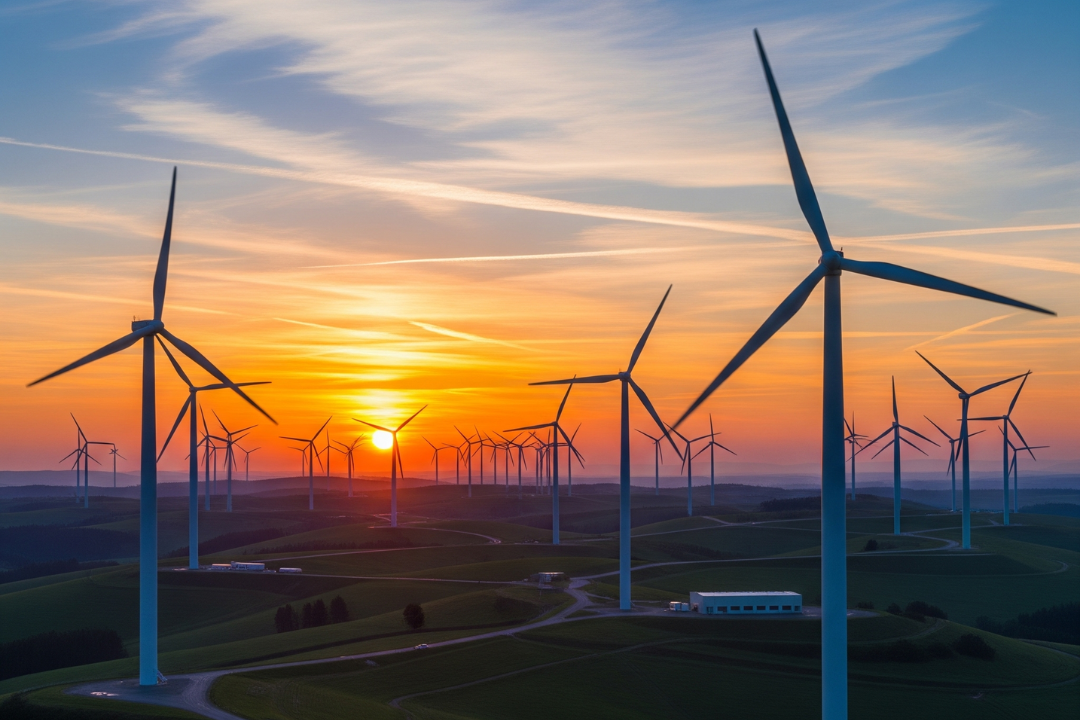
From an expert perspective, this development represents a “Stabilization Move.” It is a necessary recalibration to secure the foundational integrity of the national economy in the face of persistent global energy volatility. While challenging, the decision prevents more severe systemic disruptions in the future. The data clearly shows a pattern of necessary adjustments, not arbitrary changes. Therefore, proactive measures in energy conservation and the strategic deployment of renewable energy infrastructure are now more critical than ever.
To foster future resilience, Pakistan must strategically diversify its energy portfolio and invest robustly in indigenous energy sources. This approach will mitigate the nation’s susceptibility to international oil price fluctuations. Furthermore, establishing precision-driven monitoring systems for fuel consumption and supply chain optimization can significantly reduce overall energy demand. This structural shift is essential for achieving long-term energy sector stability.