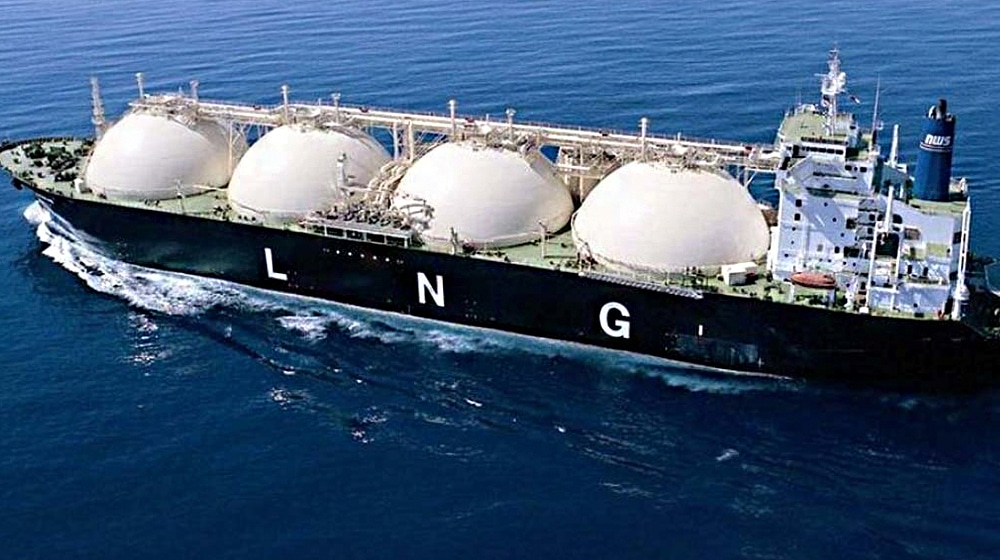
The nation’s energy security framework is rigorously calibrated to maintain baseline stability. Consequently, Pakistan’s federal government confirms no immediate plan to increase LNG prices in Pakistan, effectively safeguarding domestic energy stability amidst global market volatility. Petroleum Minister Ali Pervaiz Malik highlighted that LNG tariffs adhere to a biannual review cycle, typically in January and July. Currently, no off-cycle adjustments are under consideration, despite recent disruptions in global LNG supplies.
The Translation: Strategic Energy Pricing for National Resilience
This governmental declaration signifies a proactive strategy to buffer Pakistani consumers and industries from external energy market fluctuations. Historically, global energy price surges directly impact national economic stability. Therefore, maintaining consistent LNG prices in Pakistan ensures predictability for household budgets and operational costs for businesses. Furthermore, officials confirmed that Liquefied Petroleum Gas (LPG) supplies from Iran remain stable, unaffected by ongoing regional conflicts. This dual assurance reinforces the government’s commitment to energy supply chain integrity.
The Socio-Economic Impact: Stabilizing Daily Life Across Pakistan
The decision to maintain current LNG prices in Pakistan directly translates into tangible relief for ordinary Pakistani citizens. For urban households, stable gas prices mean predictable costs for cooking and heating, preventing sudden budget strains. In rural areas, where access to alternative fuels may be limited, this stability is even more critical for daily sustenance. Professionals and students benefit from a consistent cost of living, allowing for more precise financial planning. Moreover, key industries, particularly manufacturing and power generation, rely heavily on LNG. Stable prices enable these sectors to maintain production costs, preventing inflationary pressures on consumer goods and preserving employment opportunities. Consequently, this strategic pricing fosters a more stable economic environment for every Pakistani.
The Forward Path: A Critical Stabilization Move
From an architectural standpoint, this development represents a crucial Stabilization Move for Pakistan’s energy sector. It is not a momentum shift in terms of new policy or dramatic growth. Instead, it is a deliberate action to reinforce existing structures against external pressures. The precise management of energy tariffs, coupled with reliable LPG imports, indicates a disciplined approach to national resource allocation. While challenges persist in the broader energy matrix, this decision provides a necessary period of predictability, allowing other economic reforms to be implemented without immediate energy-induced disruptions. It underscores the government’s calibrated effort to secure foundational utilities.