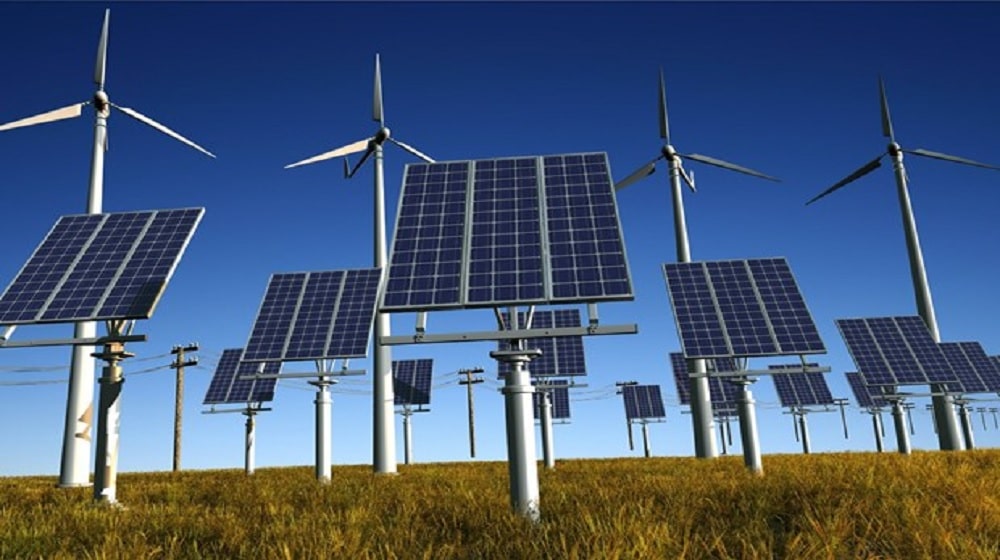
Pakistan’s government has executed a pivotal financial optimization, successfully renegotiating solar and wind power agreements to secure an estimated Rs. 80 billion in savings. This structural adjustment is a direct result of comprehensive Pakistan energy reforms, designed to enhance efficiency and stabilize the national power grid. The strategic recalibration of tariffs and operational costs underscores a disciplined approach to fiscal responsibility within the energy sector, marking a significant stride towards national advancement.
Calibrating Energy Economics: Understanding the Tariff Adjustments
The Translation: Converting Technicalities into “Next Gen” Clarity
The core of these fiscal achievements lies in the meticulous review of existing power contracts. Previously, wind power tariffs reached an unsustainable Rs. 42 per unit. Consequently, under newer cost-plus arrangements, this baseline has been strategically reduced to approximately Rs. 17 per unit. This substantial reduction was catalyzed by a dedicated task force focused on power sector reforms. Furthermore, their efforts targeted several critical areas.
- Reducing Return on Equity: Calibrating financial returns for power producers.
- Lowering Operation and Maintenance Costs: Optimizing operational expenditures for long-term efficiency.
- Revising Indexation Mechanisms: Adjusting economic factors linked to tariff rates.
- Waiving Late Payment Interest: Streamlining payment protocols to reduce fiscal burden.
These revisions applied to 14 wind power plants and one solar project. For instance, three wind projects operating under the 2013 upfront tariff policy will generate about Rs. 38.9 billion in savings over their project lifespan. In contrast, eleven plants under the post-2018 cost-plus tariff agreed to similar adjustments, incorporating exchange rate rationalization and interest waivers. An additional Rs. 45.7 billion in savings stemmed from amendments to a government-owned solar project, primarily through late payment interest waivers and improved payment structures. These precise adjustments exemplify a commitment to structural economic stability.

Empowering Households: The Direct Benefit of Pakistan Energy Reforms
The Socio-Economic Impact: How This Changes Daily Life for Pakistanis
The precise capture of Rs. 80 billion directly impacts every Pakistani citizen, translating into tangible improvements. For households, this colossal saving lays the groundwork for more stable and potentially lower electricity tariffs in the future. Professionals in urban centers and students across rural Pakistan depend on consistent power for digital access and economic productivity. Consequently, these structural energy sector savings mitigate inflationary pressures on utility costs, freeing up household budgets for other essential needs.
Moreover, this fiscal breathing room allows for calibrated reinvestment into grid infrastructure, enhancing reliability and reducing load shedding. The improved financial health of the energy sector strengthens the nation’s capacity to integrate more renewable sources, fostering a sustainable energy future. This strategic financial discipline directly underpins a more robust and equitable energy supply for the populace, serving as a catalyst for broader economic growth and stability across the nation.

Strategic Trajectory: Momentum Shift or Stabilization Move?
The “Forward Path”: An Expert Opinion on National Advancement
This development undeniably represents a Momentum Shift. It transcends mere stabilization; it is a proactive, structural optimization of national assets. The government’s precise engagement in renegotiating these critical power deals demonstrates a clear commitment to fiscal prudence and long-term energy sustainability. Consequently, this move establishes a new baseline for future energy contracts, prioritizing national interest and efficiency.
Furthermore, by extracting significant value from existing agreements, Pakistan asserts its calibrated approach to resource management. This action signals a powerful intent to reform and streamline the energy sector, fostering an environment conducive to innovation and sustained growth. It positions Pakistan on an accelerated trajectory towards an optimized and resilient energy infrastructure, a fundamental pillar for national advancement.