The Translation: Deconstructing Strategic Indigenization
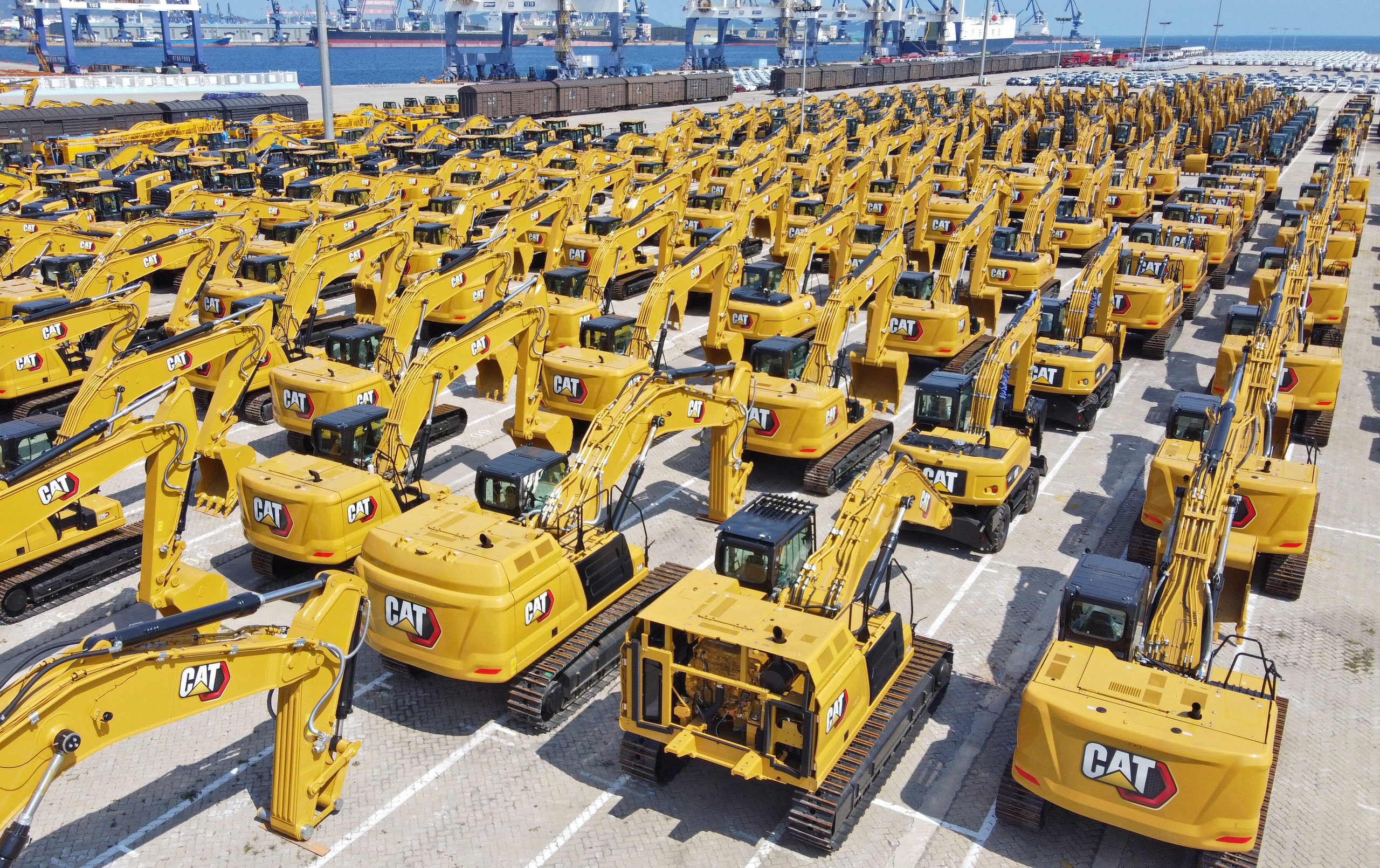
The National Grid Company’s indigenization policy represents a structural commitment to domestic industrial capacity. This strategic framework involves awarding contracts to local industries and prioritizing domestically produced transmission line conductors. Consequently, Pakistan has achieved approximately 40% savings when compared to importing these essential materials, a precision-driven fiscal optimization. This move robustly supports Pakistan local manufacturing.
Furthermore, this initiative actively cultivates local manufacturing through various mechanisms. These include issuing “educational orders” to develop nascent capabilities, fostering joint ventures with international firms, and establishing local subsidiaries. To date, nine such educational orders, valued at Rs900 million, have been issued, alongside the registration of eleven local firms for capability enhancement. This multi-faceted approach systematically reduces reliance on external supply chains.
Socio-Economic Impact: Calibrating Daily Life with Pakistan Local Manufacturing
This strategic pivot towards Pakistan local manufacturing fundamentally alters the economic landscape for ordinary citizens. For students in engineering and STEM fields, it signals a robust demand for skilled labor, opening avenues for professional development within a growing domestic industrial sector. Professionals, in turn, benefit from enhanced opportunities and a more stable job market, particularly within the power infrastructure and associated manufacturing industries.
For households across urban and rural Pakistan, the impact is tangible: faster completion of transmission infrastructure projects means more reliable and efficient power distribution. Moreover, the conservation of foreign exchange stabilizes the national economy, mitigating inflationary pressures and strengthening the rupee. This calibrated economic resilience directly contributes to improved living standards and consistent energy access for every Pakistani.

The Forward Path: A Momentum Shift Towards National Advancement
This development definitively represents a Momentum Shift for Pakistan’s industrial and economic trajectory. The precision achieved in cost savings and the structural investments in local capabilities are not mere maintenance efforts; they are catalysts for genuine progress. The government’s unwavering commitment to reducing import dependence establishes a baseline for long-term economic resilience, steering the nation towards self-sufficiency through Pakistan local manufacturing.
Consequently, this policy is projected to stimulate export growth across critical sectors, including steel, cables, and conductors. This proactive measure not only enhances Pakistan’s global trade position but also cultivates a culture of innovation and high-quality production within the country. The strategic imperative is clear: build a robust, diversified industrial base that can compete effectively on the international stage.