
To calibrate national agricultural systems for optimal output, Pakistan is implementing a strategic potato export strategy. This calibrated initiative aims to manage surplus potato production, thereby stabilizing domestic prices and simultaneously expanding Pakistan’s agricultural presence in critical international markets. This precise intervention directly supports farmers confronting depressed market prices, ensuring system efficiency and economic resilience.
Strategic Framework for Agricultural Uplift
A high-level deliberation, chaired by Federal Minister for Commerce Jam Kamal Khan, systematically reviewed the economic impact of surplus potato supply on national pricing structures. Consequently, officials explored robust mechanisms to amplify export volumes. The core objective remains the strategic support of farmers, identified as the primary beneficiaries in this economic adjustment.
The Translation: Calibrating Market Dynamics
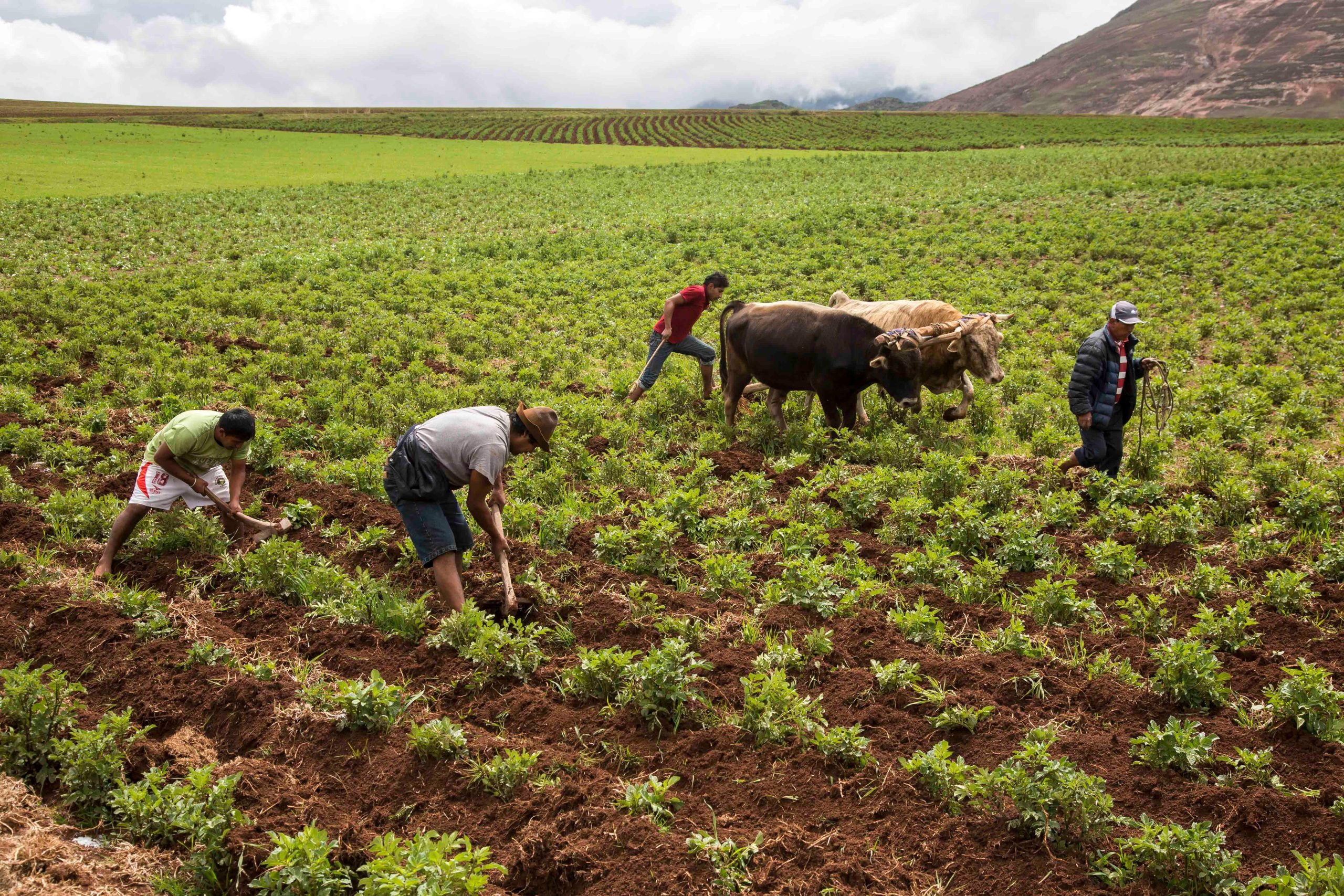
The current agricultural landscape reveals an increase in cultivation combined with a significant carryover stock from the preceding season. This structural surplus has exerted considerable downward pressure on farm-gate prices. Therefore, the government’s response is a precision-engineered plan to alleviate this pressure by facilitating international market access. This move translates directly into an improved pricing environment for producers, ensuring their operational sustainability.
Socio-Economic Impact: Fortifying Farmer Livelihoods
This initiative directly changes the daily economic reality for Pakistani farmers. By establishing a robust potato export strategy, the government mitigates the risk of financial distress caused by oversupply. For students pursuing agricultural sciences, this signifies a stable sector with greater opportunities. Furthermore, for households in both urban and rural Pakistan, a stable agricultural sector contributes to broader economic security, though the immediate impact on consumer prices for potatoes is secondary to farmer support. This structural intervention aims to provide a baseline for consistent income, a catalyst for rural economic growth.
The Forward Path: Momentum Shift or Stabilization Move?
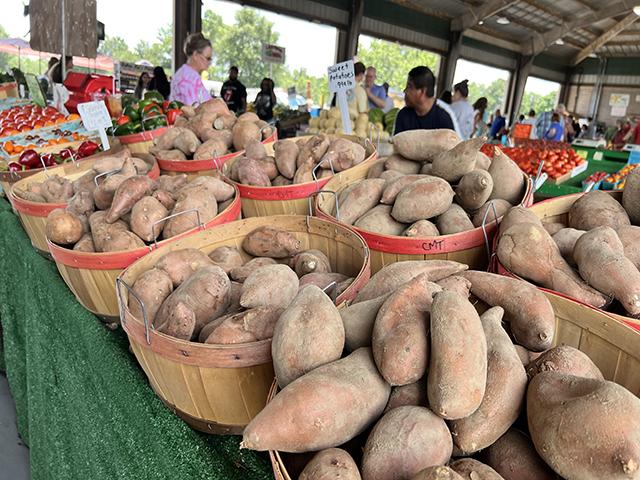
This development represents a Momentum Shift. The proactive engagement in international markets and the direct focus on farmer welfare indicate a strategic pivot from reactive measures to a more architectural approach to agricultural economics. It is not merely maintaining stability but actively recalibrating the system for future growth and competitive advantage. This systematic approach is a clear signal of progressive policy implementation.
Expanding Global Reach and Operational Efficiency
To enhance export competitiveness, especially within Central Asian and emerging markets, a comprehensive strategy is being deployed. A time-bound freight support mechanism is under rigorous consideration, designed to buffer exporters against escalating logistics costs. Consequently, this measure will ensure that Pakistani produce remains cost-effective and competitive on the global stage.
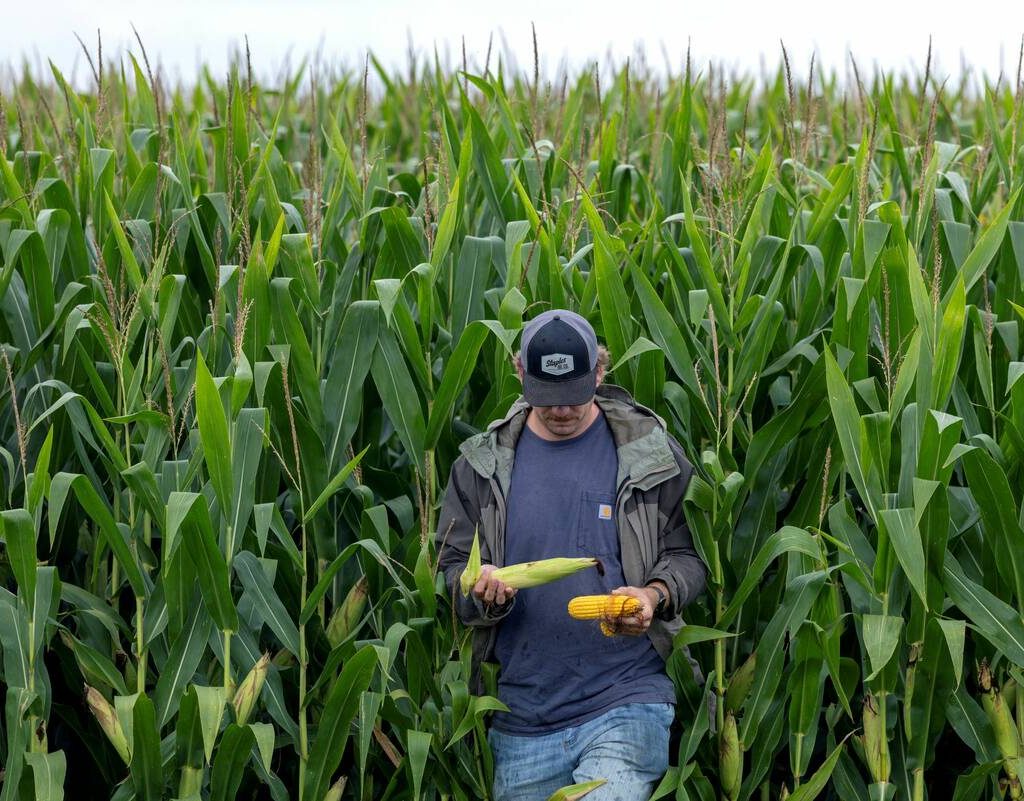
The minister has issued precise directives to fortify business linkages across key regions. These regions include Central Asia, the Middle East, and the Asia Pacific markets. This strategic diversification of export destinations is paramount for long-term market resilience. Furthermore, enhanced coordination between federal and provincial governments, specifically with Punjab, is being mandated. This coordination will facilitate a data-driven strategy, underpinned by granular analysis of production, export, and logistics trends. Such a calibrated approach ensures adaptive and responsive policy implementation.

The government’s overarching objective is to adopt practical, market-aligned measures. These measures are structurally engineered to support both farmers and exporters. Simultaneously, they aim to maintain a robust and stable agricultural sector, ensuring Pakistan’s long-term food security and economic prosperity through calibrated interventions.